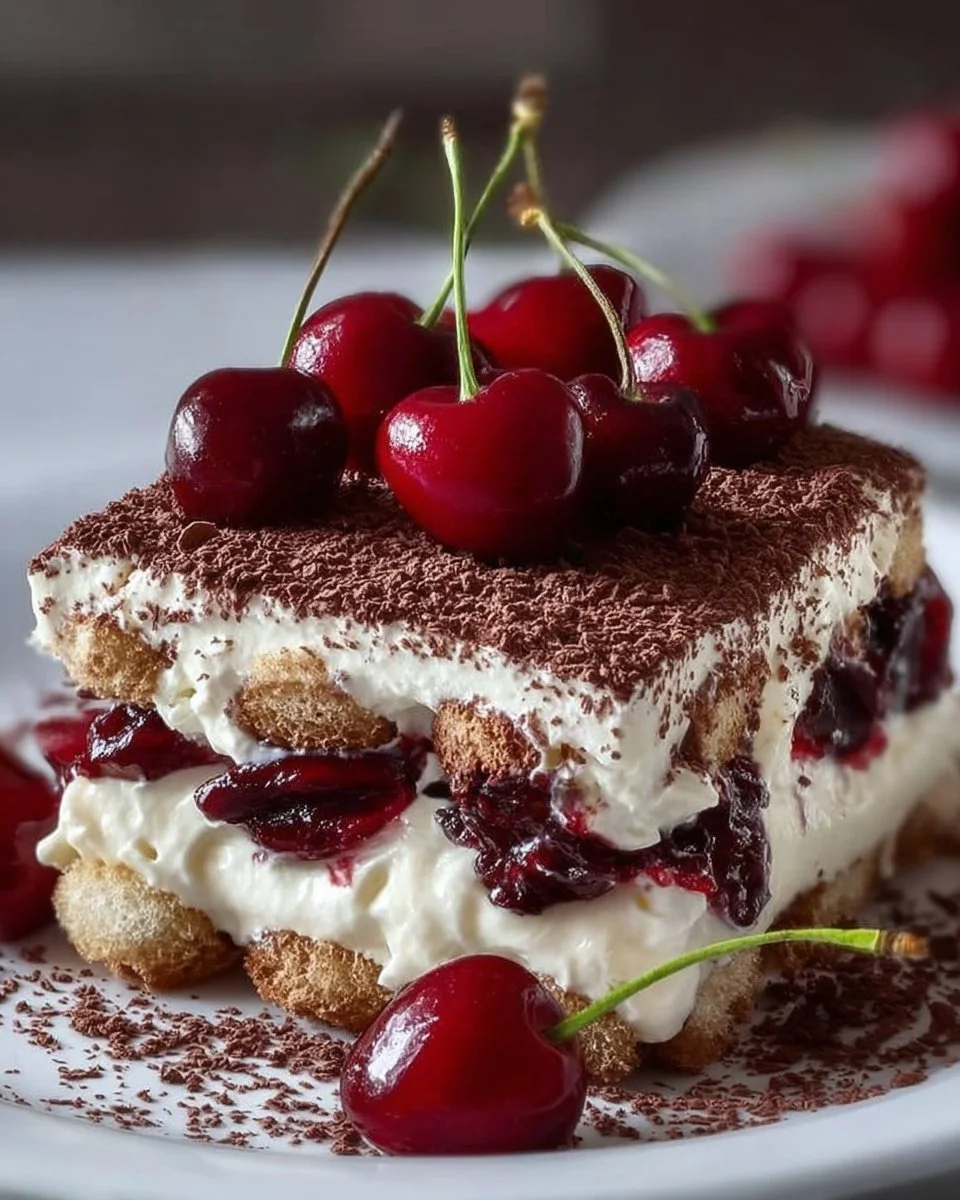


Introduction to Homemade Croissants
There’s something magical about the smell of freshly baked homemade croissants wafting through the kitchen. It’s like a warm hug on a busy morning! I know how hectic life can get, especially for us busy moms and professionals. This recipe is a delightful way to treat yourself and your loved ones without spending all day in the kitchen. With just a few simple steps, you can create flaky, buttery croissants that will impress anyone who takes a bite. Trust me, once you master this art, you’ll be the star of every brunch!
Why You’ll Love This Homemade Croissants
Making homemade croissants is not just about the end result; it’s about the journey! You’ll love how easy it is to whip up these flaky delights, even on a busy day. The taste? Oh, it’s like a buttery cloud melting in your mouth! Plus, the satisfaction of creating something so delicious from scratch is truly rewarding. Your family will be begging for more, and you’ll feel like a culinary rockstar!
Ingredients for Homemade Croissants
To create these flaky, buttery homemade croissants, you’ll need a few key ingredients. Each one plays a vital role in achieving that perfect texture and flavor. Here’s what you’ll need:
- All-purpose flour: This is the backbone of your croissants, providing structure and chewiness.
- Granulated sugar: Just a touch of sweetness enhances the flavor and helps with browning.
- Salt: Essential for balancing flavors and enhancing the overall taste of the croissants.
- Instant yeast: This helps the dough rise quickly, giving you that light and airy texture.
- Unsalted butter: The star of the show! Cold butter is crucial for creating those flaky layers.
- Whole milk: Warm milk helps activate the yeast and adds richness to the dough.
- Egg: Used for the egg wash, it gives your croissants a beautiful golden finish.
Feel free to experiment with optional ingredients like chocolate or almond paste for a delicious twist! If you’re out of all-purpose flour, you can substitute with bread flour for a chewier texture. For a dairy-free version, try using plant-based butter and milk. Exact quantities for each ingredient are available at the bottom of the article for easy printing.
How to Make Homemade Croissants
Now, let’s dive into the delightful process of making homemade croissants! Each step is a chance to create something special. Follow along, and I promise you’ll be rewarded with flaky perfection.
Step 1: Prepare the Dough
Start by mixing the all-purpose flour, granulated sugar, salt, and instant yeast in a large bowl. Make sure to combine them well. Then, add the warm whole milk. Mix until a dough forms. It should be slightly sticky but manageable. Knead the dough for about five minutes until it’s smooth and elastic. This is where the magic begins!
Step 2: Chill the Dough
Wrap the dough in plastic wrap and pop it in the refrigerator for at least one hour. Chilling the dough is crucial. It helps the gluten relax and makes it easier to roll out later. Plus, it keeps the butter cold, which is key for those flaky layers!
Step 3: Prepare the Butter
While the dough chills, let’s prepare the butter. Take your cold unsalted butter and place it between two sheets of parchment paper. Roll it out into a rectangle about half an inch thick. This step is essential for creating those beautiful layers. Keep it cold, and don’t rush!
Step 4: Incorporate the Butter
Once your dough is chilled, roll it out into a larger rectangle. Place the prepared butter in the center of the dough. Fold the dough over the butter, sealing the edges tightly. This is where the magic of flaky croissants starts to happen. Make sure the butter is completely enclosed!
Step 5: Roll and Fold
Now, roll out the dough into a long rectangle again. Fold it into thirds, like a letter. This process is called laminating, and it’s what gives croissants their signature layers. Wrap it up and refrigerate for 30 minutes. Repeat this rolling and folding process two more times. Each time, you’re building those flaky layers!
Step 6: Shape the Croissants
After the final fold, roll out the dough one last time into a large rectangle. Cut it into triangles. The base should be about 4 inches wide. Starting from the base, roll each triangle up towards the tip. Place them on a baking sheet lined with parchment paper. They should look like little crescents of joy!
Step 7: Let Them Rise
Cover the shaped croissants with a clean kitchen towel and let them rise for 1-2 hours. They should double in size. This is the perfect time to sip a cup of coffee and admire your handiwork. The anticipation is half the fun!
Step 8: Bake to Perfection
Preheat your oven to 400°F (200°C). Brush the risen croissants with an egg wash for that golden finish. Bake them for 15-20 minutes until they’re beautifully golden brown. The aroma will fill your kitchen, and you’ll be counting down the minutes until you can take a bite!
Tips for Success
- Always use cold butter for the best flaky texture.
- Don’t skip the chilling steps; they’re crucial for layering.
- Use a sharp knife to cut the dough for clean edges.
- Experiment with fillings like chocolate or almond paste for a twist.
- Keep an eye on the baking time; ovens can vary!
Equipment Needed
- Mixing bowl: A large bowl for combining ingredients. A sturdy pot works too!
- Rolling pin: Essential for rolling out dough. A wine bottle can be a fun alternative!
- Parchment paper: For easy baking and cleanup. Silicone baking mats are a great substitute.
- Baking sheet: A flat tray for baking. Any oven-safe tray will do!
Variations on Homemade Croissants
- Chocolate Croissants: Add a few chocolate chips or a piece of chocolate bar at the base of each triangle before rolling for a sweet surprise.
- Almond Croissants: Spread almond paste on the dough before rolling, and top with sliced almonds for a nutty flavor.
- Ham and Cheese Croissants: Place a slice of ham and cheese in the center of each triangle for a savory twist.
- Herb and Cheese Croissants: Mix fresh herbs like rosemary or thyme with cream cheese and spread it on the dough before rolling.
- Whole Wheat Croissants: Substitute half of the all-purpose flour with whole wheat flour for a healthier option.
Serving Suggestions for Homemade Croissants
- Fresh Fruit: Serve with a side of mixed berries or sliced peaches for a refreshing contrast.
- Coffee or Tea: Pair your croissants with a rich cup of coffee or a soothing herbal tea.
- Presentation: Arrange croissants on a beautiful platter, dust with powdered sugar, and garnish with mint leaves for an elegant touch.
- Jam or Honey: Offer a selection of jams or honey for spreading, adding a sweet touch to each bite.
FAQs about Homemade Croissants
Can I make the dough ahead of time?
Absolutely! You can prepare the dough a day in advance. Just wrap it tightly and store it in the refrigerator. This way, you can enjoy fresh homemade croissants without the morning rush!
What if my croissants don’t rise?
If your croissants don’t rise, it could be due to inactive yeast. Always check the expiration date on your instant yeast. Also, ensure your dough is kept in a warm, draft-free area while rising.
Can I freeze homemade croissants?
Yes! You can freeze unbaked croissants before the final rise. Just shape them, place them on a baking sheet, and freeze until solid. Then, transfer them to a freezer bag. When you’re ready to bake, let them rise and then bake as usual!
How do I store leftover croissants?
Store leftover croissants in an airtight container at room temperature for up to two days. For longer storage, wrap them tightly and freeze. Just reheat in the oven for a few minutes to restore their flakiness!
Can I use whole wheat flour instead of all-purpose flour?
Yes, you can substitute half of the all-purpose flour with whole wheat flour for a healthier option. Just keep in mind that the texture may be slightly denser, but still delicious!
Final Thoughts
Making homemade croissants is more than just a baking project; it’s a delightful experience that fills your home with warmth and joy. The process, though a bit involved, is incredibly rewarding. Each flaky layer tells a story of patience and love. When you finally take that first bite, the buttery goodness will transport you to a quaint French café. Whether you’re sharing them with family or savoring them alone with a cup of coffee, these croissants will surely bring a smile to your face. So roll up your sleeves and enjoy the journey of creating these delicious treats!
Print
Homemade Croissants: Master the Art of Flaky Perfection!
- Total Time: 2 hours 50 minutes
- Yield: 12 croissants 1x
- Diet: Vegetarian
Description
Learn how to make delicious homemade croissants with this easy-to-follow recipe that guarantees flaky perfection.
Ingredients
- 4 cups all-purpose flour
- 1/4 cup granulated sugar
- 1 tablespoon salt
- 1 tablespoon instant yeast
- 1 1/4 cups unsalted butter, cold
- 1 1/4 cups whole milk, warm
- 1 egg, for egg wash
Instructions
- In a large bowl, mix flour, sugar, salt, and yeast.
- Add warm milk and mix until a dough forms.
- Knead the dough for about 5 minutes until smooth.
- Wrap the dough in plastic wrap and refrigerate for at least 1 hour.
- Roll out the cold butter between two sheets of parchment paper into a rectangle.
- Roll out the dough into a larger rectangle and place the butter in the center.
- Fold the dough over the butter and seal the edges.
- Roll out the dough and fold it into thirds, then refrigerate for 30 minutes.
- Repeat the rolling and folding process two more times.
- Roll out the dough one last time and cut into triangles.
- Roll each triangle from the base to the tip and place on a baking sheet.
- Let the croissants rise for 1-2 hours until doubled in size.
- Preheat the oven to 400°F (200°C) and brush the croissants with egg wash.
- Bake for 15-20 minutes until golden brown.
Notes
- Ensure the butter is cold for the best flakiness.
- Use a sharp knife to cut the dough for clean edges.
- Experiment with fillings like chocolate or almond paste.
- Prep Time: 30 minutes
- Cook Time: 20 minutes
- Category: Baking
- Method: Baking
- Cuisine: French
Nutrition
- Serving Size: 1 croissant
- Calories: 250
- Sugar: 2g
- Sodium: 150mg
- Fat: 15g
- Saturated Fat: 10g
- Unsaturated Fat: 5g
- Trans Fat: 0g
- Carbohydrates: 25g
- Fiber: 1g
- Protein: 5g
- Cholesterol: 30mg