
Opening Description
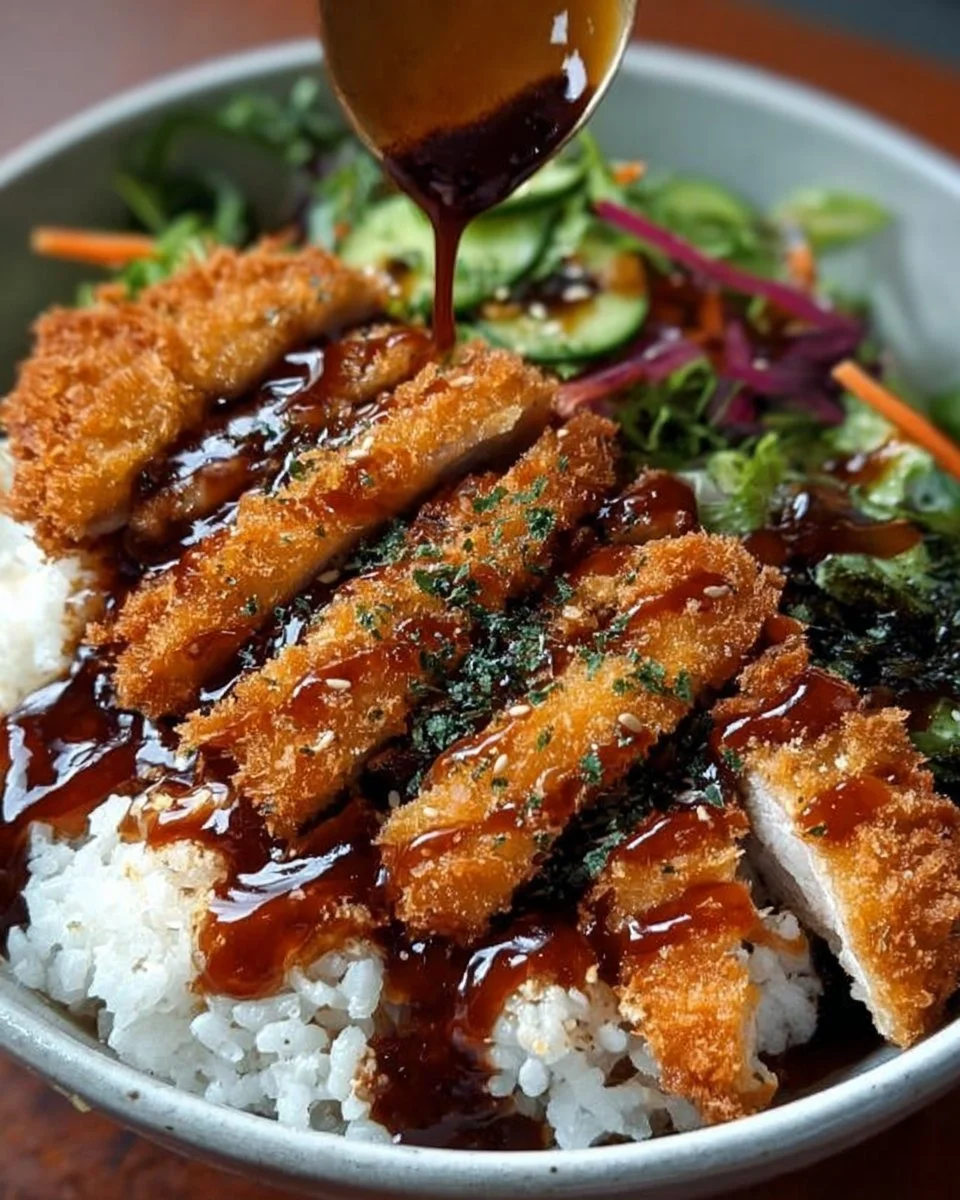
Imagine the tantalizing aroma wafting through your kitchen as crispy, golden-brown cutlets sizzle indulgently in the frying pan. Each piece of perfectly cooked katsu waits to be adorned with a glossy drizzle of homemade tonkatsu sauce, crafting a symphony of flavors that dance on your palate. When you take your first bite, the crunch of the coated pork gives way to the tender, juicy meat inside, complemented by the rich, slightly sweet sauce that brings an unexpected depth. Katsu bowls transform an ordinary meal into an exciting culinary adventure, inviting you to embrace the warmth and heartiness of traditional Japanese comfort food.
As you sit down to this vibrant bowl, your senses come alive. The luscious rice serves as a fluffy bed for the crispy katsu, while fresh vegetables provide a crisp, vibrant contrast. Each bite bursts with flavor, drawing you in deeper—an experience to savor, shared among friends or indulged in during a moment of solitude. Katsu bowls are not just a meal; they are a celebration of color, texture, and taste that will leave you excited for the next mouthful.
Why You’ll Love This Japanese Katsu Bowl with Tonkatsu Sauce
Japanese Katsu Bowls with Tonkatsu Sauce truly shine with an array of benefits that make them a favorite among families and food lovers alike. The combination of crispy katsu and a savory sauce creates a uniquely satisfying experience that caters to your cravings for crunchy, savory flavors. Whether you’re winding down after a long day or hosting a casual gathering, this dish checks every box for comfort and satisfaction.
The allure of the katsu bowl lies not only in its flavor but also in its versatility. You can prepare it as a quick weeknight meal or turn it into a star attraction for a special occasion. It’s an easy recipe that brings a taste of Japan straight to your dining table, giving you the opportunity to explore different flavors and techniques in the kitchen. This dish stands out, inviting you continually to come back for more, while sparking creativity in your cooking adventures.
Preparation Phase & Tools to Use
Before diving into the deliciousness of the katsu bowl, gather essential tools that will set your culinary journey up for success. A heavy-bottomed skillet will become your best friend, providing even heat distribution to achieve the coveted golden crust on your katsu. A meat mallet or rolling pin will give you the celebratory rhythm of pounding the pork to a tender thickness. Tongs will help you flip the katsu with ease, ensuring every piece cooks uniformly. Finally, a mixing bowl will be necessary for combining your tonkatsu sauce and any additional ingredients.
As you prepare, keep in mind the essential tips: lay out all your ingredients ahead of time to streamline the cooking process and prevent any last-minute scrambles. Consider prepping your vegetables and sauce while the katsu cooks, optimizing your time in the kitchen and enhancing the meal’s overall experience with fresh accompaniments.
Ingredients for Japanese Katsu Bowls with Tonkatsu Sauce
Creating the perfect katsu bowl hinges on quality ingredients. Let’s look at what you need:
- Pork Cutlets: Boneless pork loin or tenderloin are excellent choices. If you’re looking for alternatives, chicken cutlets can also work beautifully.
- Panko Breadcrumbs: These Japanese-style breadcrumbs add an irresistible crunch. If you can’t find panko, regular breadcrumbs will do, but the texture won’t be quite the same.
- Eggs: Eggs serve as a binding agent to help the breadcrumbs adhere to the meat.
- Flour: All-purpose flour creates the coating base for the katsu.
- Vegetables: Cabbage, carrots, or cucumbers bring freshness—feel free to use seasonal produce.
- Tonkatsu Sauce: You can find this sauce in stores, but making it at home allows you to customize the flavors to your liking.
How to Make Japanese Katsu Bowls with Tonkatsu Sauce
-
Prepare the Tonkatsu Sauce: In a mixing bowl, combine 1/4 cup ketchup, 1/4 cup Worcestershire sauce, 1 tablespoon soy sauce, and 1 tablespoon sugar. Whisk until smooth and set aside. This sauce balances sweetness and tang, creating a delightful drizzle for your katsu.
-
Prepare the Pork Cutlets: Use a meat mallet to gently pound the pork cutlets to about 1/2 inch thickness. This step tenderizes the meat and ensures even cooking. Season both sides with salt and pepper.
-
Coat the Pork: Set up a breading station with three shallow bowls: one with flour, one with beaten eggs, and one with panko breadcrumbs. Dredge each piece of pork in flour, shaking off excess, then dip it into the egg, allowing the excess to drip off, and finally coat it with panko breadcrumbs. Press down gently to ensure an even coating.
-
Fry the Katsu: Heat vegetable oil in a heavy-bottomed skillet over medium heat. Aim for a depth of about 1/4 inch. Once hot, carefully place the katsu in the skillet, frying for about 4-5 minutes on each side or until the crust is golden brown and the pork is cooked through. Adjust the heat as necessary to prevent burning.
-
Slice and Assemble: Once cooked, transfer the katsu to a paper towel-lined plate to absorb excess oil. After resting for a few minutes, cut the katsu into strips. In bowls, layer rice, sliced katsu, and any prepared vegetables. Drizzle generously with tonkatsu sauce, adding an extra flourish of flavor.
Chef’s Notes & Helpful Tips
- Make-Ahead Tips: You can prep the tonkatsu sauce and cut your vegetables ahead of time. The flavors of the sauce only improve as they sit, making it perfect for advance preparation.
- Alternatives: If you’re watching your health, consider air frying the katsu instead of deep frying. Spray the coated cutlets lightly with cooking oil and place them in the air fryer for about 12–15 minutes, flipping halfway through. The texture may differ slightly, but they’ll still be delicious.
- Customizations: Get creative! You can substitute the pork with plant-based proteins like tofu or seitan, or even explore different sauces to match your flavor preferences.
Common Mistakes to Avoid
- Overcrowding the Pan: Frying too many pieces at once can lower the oil temperature, leading to greasy katsu. Always give each piece room to crisp up beautifully.
- Not Letting the Oil Heat Enough: If the oil isn’t hot enough, the coating will absorb too much oil, resulting in soggy katsu. Test the oil by dropping a few breadcrumbs; they should sizzle immediately.
- Skipping the Drying Step: After frying, skipping the paper towel step means you miss the chance to remove excess oil, which can result in a greasy dish.
What to Serve With Japanese Katsu Bowls
Pairing your katsu bowl with complementary flavors enhances the overall meal experience. Here are some delicious suggestions:
- Miso Soup: A warm, comforting bowl of miso soup adds a soothing element and harmonizes the meal’s flavors.
- Pickled Vegetables: Japanese pickles, or “tsukemono,” bring a stark contrast in texture and a delightful tang that rejuvenates your palate.
- Sesame Spinach Salad: The earthy, nutty flavor of sesame dressing on fresh spinach creates a refreshing side that balances the meal.
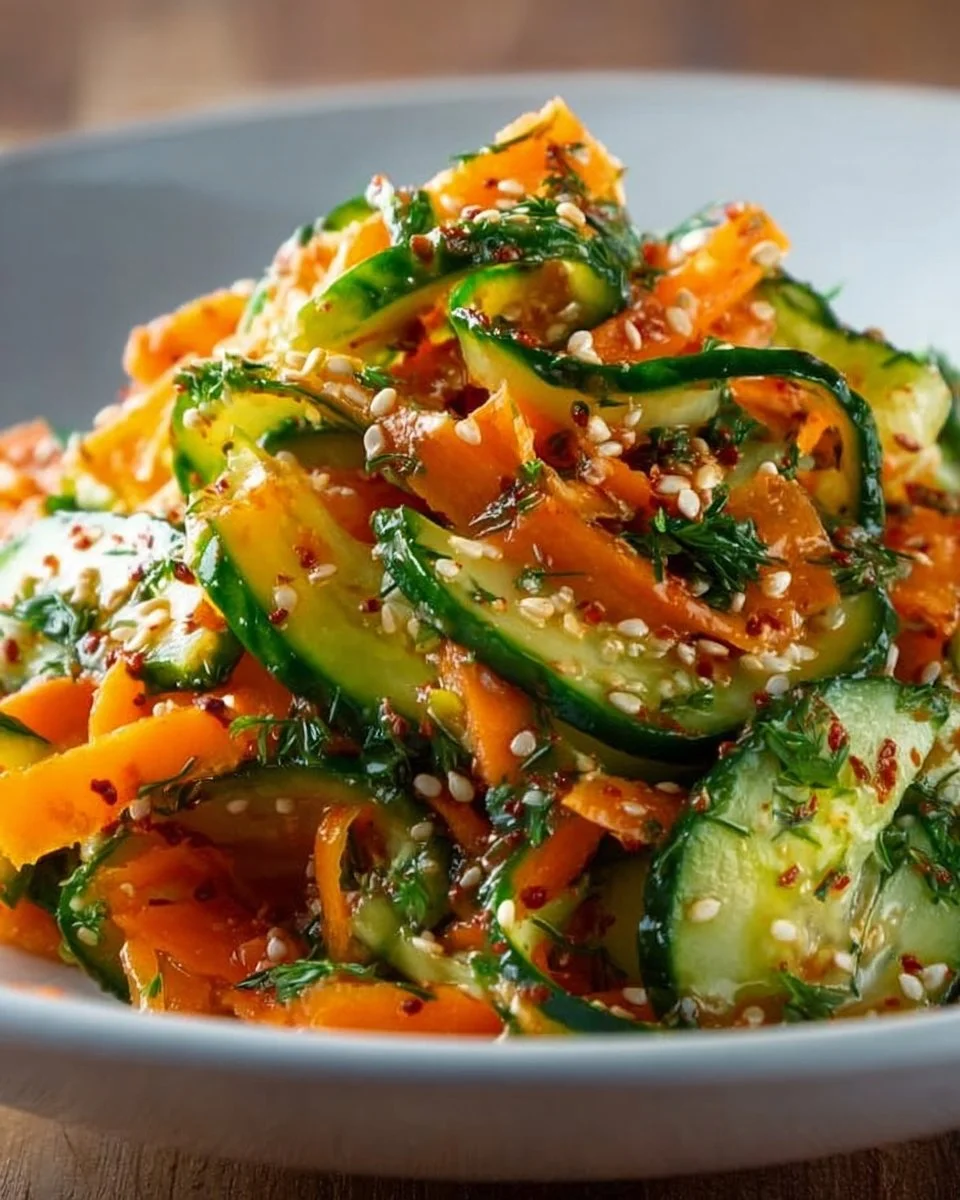
- Cucumber Salad: The crisp freshness of thinly sliced cucumber drizzled with rice vinegar offers a light, zesty complement.
- Edamame: Lightly salted edamame serves as a delightful starter that invites shared enjoyment.
- Fried Rice: Opt for a simple vegetable fried rice to bring more substance and flavor to your meal.
- Japanese Potato Salad: Creamy, tangy potato salad adds a comforting touch to your overall meal.
- Steamed Broccoli with Soy Sauce: This simple side dish provides a burst of vibrant green and a touch of umami.
Storage & Reheating Instructions
If you find yourself with leftovers, worry not! Store the katsu in an airtight container in the fridge for up to 2 days. For those crispy cutlets, you can revive their crunchiness by reheating them in a toaster oven or skillet rather than a microwave. If you opt for the freezer, keep the cutlets in a freezer-safe container for up to a month. Be sure to reheat from frozen, and consider using the oven for the best texture.
Estimated Nutrition Information
Enjoying this delightful dish doesn’t mean sacrificing your health. An approximate serving contains:
- Calories: 600
- Protein: 30g
- Carbohydrates: 70g
- Fat: 20g
Note: Nutritional values can vary based on portion sizes and specific ingredient choices.
FAQs
1. Can I use chicken or another protein instead of pork?
Absolutely! Chicken breasts or thighs work wonderfully for katsu. You can even experiment with tofu or eggplant for a vegetarian or vegan delight.
2. How do I make the katsu sauce spicier?
For those who appreciate a kick, try adding a little sriracha or chili paste to your tonkatsu sauce. It offers a delightful heat without overpowering the original flavors.
3. Is there a gluten-free option for this dish?
You can substitute all-purpose flour with a gluten-free flour blend and panko breadcrumbs with gluten-free crumbs. Just ensure all ingredients are marked gluten-free to avoid cross-contamination.
4. Can I bake the katsu instead of frying?
Yes! Preheat your oven to 400°F (200°C). Place the breaded katsu on a greased baking sheet and bake for 15-20 minutes, flipping halfway through until they are golden and cooked through.
5. How can I make this dish more filling?
Add extra toppings such as sliced avocado, a soft-boiled egg, or more vegetables. You can also increase your rice portion to create a heartier bowl.
Conclusion
Japanese Katsu Bowls with Tonkatsu Sauce offer a combination of comfort, flavor, and nourishment that brings joy to the table. The crispy katsu paired with tangy sauce creates an inviting experience that celebrates the craftsmanship of cooking. As you venture into making this dish, let each step be a celebration of your culinary journey. Embrace the sensory nature of this recipe and enjoy sharing it with others—or savoring it all to yourself. Dive into this delightful bowl and let the flavors transport you to a cozy corner of Japan. Happy cooking!
Print
Japanese Katsu Bowl with Tonkatsu Sauce
- Total Time: 45 minutes
- Yield: 4 servings 1x
- Diet: Pork, Comfort Food
Description
A crispy and juicy pork katsu served over rice with fresh vegetables and drizzled with homemade tonkatsu sauce.
Ingredients
- 4 boneless pork cutlets
- 1 cup panko breadcrumbs
- 2 eggs, beaten
- 1 cup all-purpose flour
- Fresh vegetables (cabbage, carrots, cucumbers)
- 1/4 cup ketchup
- 1/4 cup Worcestershire sauce
- 1 tablespoon soy sauce
- 1 tablespoon sugar
- Vegetable oil for frying
- Cooked rice for serving
Instructions
- Prepare the Tonkatsu Sauce: In a mixing bowl, combine ketchup, Worcestershire sauce, soy sauce, and sugar. Whisk until smooth and set aside.
- Prepare the Pork Cutlets: Use a meat mallet to pound the cutlets to 1/2 inch thickness. Season both sides with salt and pepper.
- Coat the Pork: Set up a breading station with flour, beaten eggs, and panko breadcrumbs. Dredge each pork piece in flour, dip in egg, then coat with panko.
- Fry the Katsu: Heat vegetable oil in a skillet over medium heat. Fry katsu for 4-5 minutes per side until golden brown.
- Slice and Assemble: Transfer cooked katsu to paper towels, slice, and layer in bowls with rice and vegetables. Drizzle with tonkatsu sauce.
Notes
Alternatives include using chicken cutlets or air frying for a healthier option. Make the tonkatsu sauce ahead for enhanced flavor.
- Prep Time: 15 minutes
- Cook Time: 30 minutes
- Category: Main Course
- Method: Frying
- Cuisine: Japanese
Nutrition
- Serving Size: 1 serving
- Calories: 600
- Sugar: 10g
- Sodium: 800mg
- Fat: 20g
- Saturated Fat: 5g
- Unsaturated Fat: 10g
- Trans Fat: 0g
- Carbohydrates: 70g
- Fiber: 5g
- Protein: 30g
- Cholesterol: 120mg