
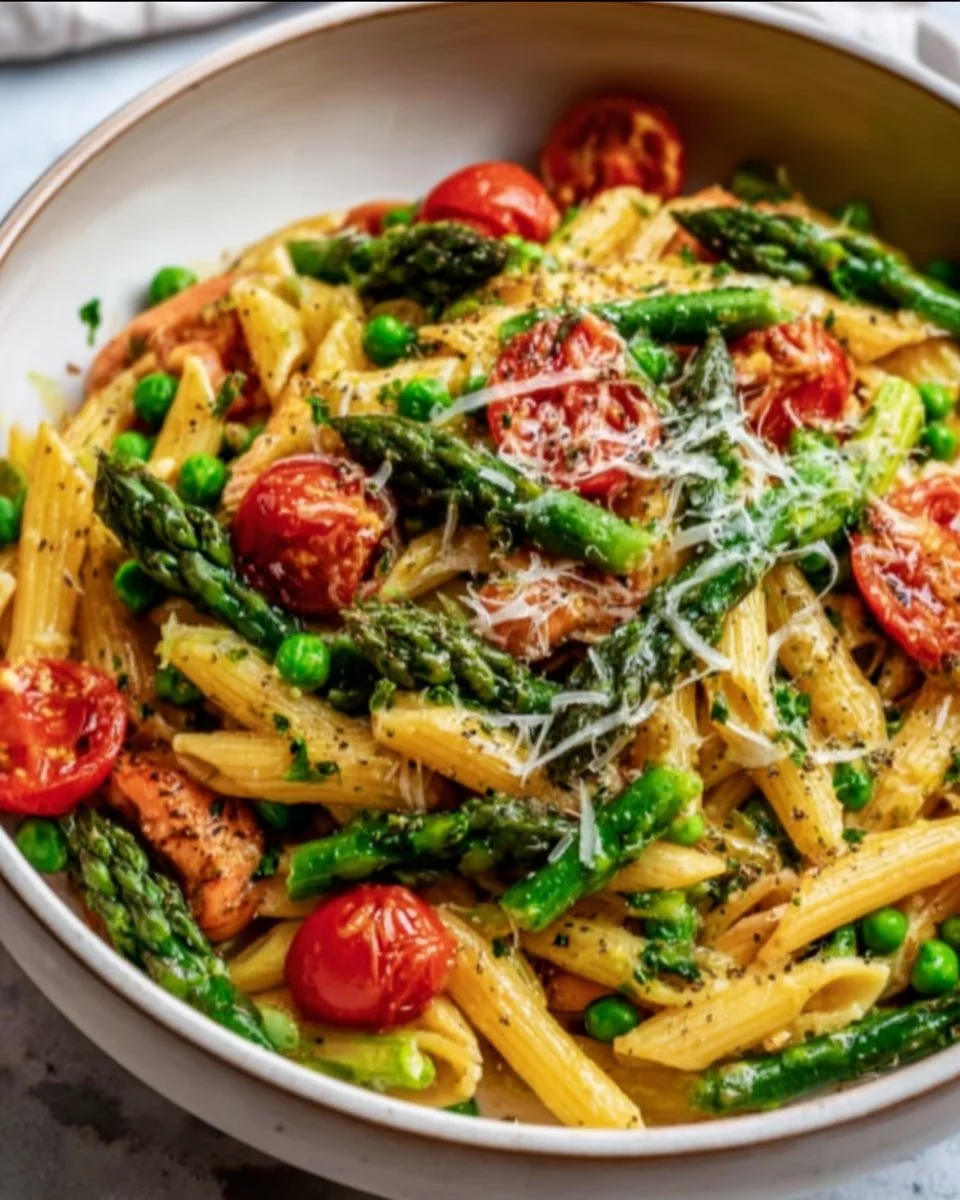
As the warm sun kisses the earth after a long winter slumber, vibrant colors begin to emerge in the gardens. Nature unveils a cornucopia of fresh vegetables, each begging to be part of a culinary celebration. Spring Vegetable Pasta is a dish that sings of this season, a delightful mix of al dente pasta and a medley of freshly harvested vegetables that burst with flavor. Imagine biting into perfectly tender asparagus, sweet peas, and juicy cherry tomatoes, each addition contributing to a harmonious balance of earthiness and brightness.
As you prepare to create this dish, the aroma of sautéing garlic permeates your kitchen, enveloping your senses and setting your heart aglow. The vivid green of the vegetables, kissed with a splash of lemon juice, creates not just a meal but an experience that feels like a warm embrace. Each forkful presents a texture that dances between the creaminess of the olive oil and the satisfying crunch of fresh veggies, making it impossible to resist indulging in just one more bite. This isn’t just pasta; this is a sun-drenched afternoon, a vibrant picnic, and a refreshing feast rolled into one.
Why You’ll Love This Spring Vegetable Pasta
This Spring Vegetable Pasta stands out not just for its stunning visuals but for its incredible taste – a celebration of spring itself. The fusion of fresh ingredients creates a luscious dish that dances on your palate, offering a delightful contrast between the mild creaminess provided by the olive oil and the vibrant crunch of vegetables. The robust garlic notes complement the lightness of the dish, while the lemon juice adds a zesty brightness that elevates every bite.
Whether you’re hosting a garden party, enjoying a family dinner, or simply seeking a nourishing meal for yourself, this dish fits perfectly into any occasion. It’s not only bursting with flavor but also provides a nourishing boost of vitamins and minerals with each serving. Plus, it’s highly customizable. You can toss in grilled chicken or succulent shrimp for a protein boost or substitute with gluten-free pasta, making the dish accessible for everyone. The allure of this pasta is irresistible; you’ll want to make it a staple in your springtime repertoire.
Preparation Phase & Tools to Use
When it comes to crafting this dish, having the right tools in your kitchen makes all the difference. Here’s what you need:
- Large Pot: Essential for cooking pasta, allowing ample space for an even boil.
- Large Saucepan: Perfect for sautéing vegetables and combining all components.
- Chef’s Knife: A sharp, reliable knife for effortless chopping, ensuring your vegetables are prepared with ease.
- Cutting Board: Provides a clean surface to chop and dice, making preparation smooth and efficient.
- Colander: For draining cooked pasta, making the transition from pot to pan seamless.
Preparation tips are equally important. Always have your ingredients prepped and at the ready. Chop your vegetables before you even think about boiling the pasta; this way, the cooking process flows naturally without any pauses.
Ingredients for Spring Vegetable Pasta
Creating this blissful dish requires simple, fresh ingredients:
- Pasta of your choice: Opt for spaghetti, fusilli, or even a gluten-free alternative; each offers a unique texture.
- Asparagus, chopped: Choose bright green stalks; they add crunch and a slightly earthy flavor.
- Peas: Fresh or frozen, they lend sweetness and a pop of color.
- Cherry tomatoes, halved: Juicy and vibrant, they bring a burst of flavor.
- Garlic, minced: A must for that aromatic backdrop that elevates the dish.
- Lemon juice: Freshly squeezed is best, brightening the flavors beautifully.
- Olive oil: Use extra virgin for a rich, fruity finish.
- Salt and pepper to taste: Essential for enhancing your dish’s depth.
- Grilled chicken or shrimp (optional): Optional, but they add a lovely protein element, perfect for hearty appetites.
Feel free to indulge in substitutions to tailor the dish to your liking. Swap asparagus for zucchini or add bell peppers for extra sweetness; the possibilities are endless!
How to Make Spring Vegetable Pasta
-
Cook pasta: Bring a large pot of salted water to a boil. Add pasta and cook according to package instructions until al dente. Stir occasionally to prevent sticking.
-
Heat olive oil: In a large saucepan, drizzle olive oil and set over medium heat. Let it warm until shimmering, inviting its enticing aromas to fill your kitchen.
-
Sauté garlic: Add minced garlic, stirring continuously until it becomes fragrant, approximately 30 seconds; be careful not to let it brown too much.
-
Add vegetables: Toss in the chopped asparagus, peas, and halved cherry tomatoes. Cook for about 5–7 minutes, stirring frequently until the veggies are tender yet retain a slight crunch and vibrant color.
-
Combine: Drain the cooked pasta and introduce it to the pan, mixing gently with the fresh vegetables.
-
Season well: Squeeze fresh lemon juice over the pasta, adding salt and pepper to taste. Toss everything together, allowing the flavors to meld beautifully.
-
Add protein: If desired, fold in grilled chicken or shrimp, giving it a lovely protein boost.
-
Serve warm: Dish out heaping servings in bowls, and enjoy immediately while the flavors are at their peak!
Chef’s Notes & Helpful Tips
- Make-ahead tips: You can prep the vegetables a day in advance and keep them in the fridge, cutting down on your cooking time. Cooked pasta can also be stored; just drizzle a little olive oil to prevent sticking.
- Cooking alternatives: An air fryer can be used for the veggies, giving them a delightful roasted texture, especially if you’re looking for that added depth.
- Customization ideas: Add greens like spinach or kale for an extra boost of nutrition, or toss in your favorite herbs like basil or parsley for added freshness.
Common Mistakes to Avoid
- Overcooking the pasta: Always aim for al dente. It will continue to cook when mixed with the veggies, so take it off the heat slightly earlier than you think.
- Shying away from seasoning: Don’t hold back! Proper seasoning with salt, pepper, and lemon juice makes all the difference in flavor.
- Crowding the veggies: Ensure there’s enough space in the pan when sautéing vegetables. This helps them crisp up rather than steam, preserving their wonderful texture.
What to Serve With Spring Vegetable Pasta
Extend the joy of this dish with a few perfect pairings:
- Garlic Bread: A warm, buttery side that complements the pasta perfectly.
- Caesar Salad: Crunchy romaine with creamy dressing adds balance.
- Grilled Veggies: Smoky grilled vegetables harmonize with the freshness of the dish.
- Caprese Skewers: Juicy tomatoes, fresh mozzarella, and basil echo the flavors beautifully.
- White Wine: A crisp Sauvignon Blanc or light Pinot Grigio elevates the dish, bringing out the floral notes of the lemon.
- Roasted Chickpeas: Add some crunch on the side for a healthy protein-rich snack.
- Cheese Platter: Offer a selection of cheeses for guests to graze on before the meal.
Storage & Reheating Instructions
Store any leftovers in an airtight container in the refrigerator for up to 3 days. For longer storage, you may freeze the pasta, though it’s best enjoyed fresh. When reheating, warm on the stovetop with a splash of olive oil to restore the texture or pop in the microwave in short intervals, stirring frequently until heated through.
Estimated Nutrition Information
Approximate values per serving:
- Calories: 350
- Protein: 12g
- Carbohydrates: 50g
- Fat: 10g
- Fiber: 5g
Note: Nutritional values may vary based on specific ingredients used and portion sizes.
FAQs
1. Can I use whole-grain pasta?
Absolutely! Whole-grain pasta provides additional fiber and a nutty flavor that pairs beautifully with the veggies.
2. What can I add for extra protein?
Grilled chicken, shrimp, or even chickpeas or white beans work wonderfully to boost protein without compromising flavors.
3. Is this dish suitable for vegans?
Yes! Simply omit any animal protein and ensure your pasta is egg-free, and you’ll have a delicious vegan meal on your hands.
4. Can I make this dish gluten-free?
Certainly! Simply use your favorite gluten-free pasta, and all the ingredients remain suitable for a gluten-free diet.
5. How do I prevent the pasta from becoming mushy when stored?
Ensure that the pasta is cooked al dente before mixing it with the veggies. When reheating, gently warm it to avoid further cooking.
As you prepare to indulge in this Spring Vegetable Pasta, imagine the joy it will bring to your dinner table. Each bite envelops you in the fresh flavors of spring, vibrant images of blooming gardens, and sun-soaked picnics. Don’t wait! Bring the essence of the season into your kitchen and treat yourself to this delightful dish. Your taste buds will sing in gratitude, and your heart will be warmed by the wholesome goodness of spring. Enjoy every delicious morsel!
Print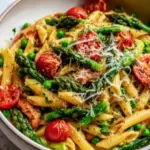
Spring Vegetable Pasta
- Total Time: 30 minutes
- Yield: 4 servings
- Diet: Vegetarian
Description
A vibrant blend of al dente pasta and seasonal vegetables, featuring asparagus, peas, and cherry tomatoes, finished with a touch of lemon and garlic.
Ingredients
- Pasta of your choice (spaghetti, fusilli, or gluten-free)
- Asparagus, chopped
- Peas (fresh or frozen)
- Cherry tomatoes, halved
- Garlic, minced
- Lemon juice (freshly squeezed)
- Olive oil (extra virgin)
- Salt and pepper to taste
- Grilled chicken or shrimp (optional)
Instructions
- Cook pasta: Bring a large pot of salted water to a boil. Add pasta and cook according to package instructions until al dente.
- Heat olive oil: In a large saucepan, drizzle olive oil and set over medium heat until shimmering.
- Sauté garlic: Add minced garlic, stirring continuously until fragrant, about 30 seconds.
- Add vegetables: Toss in chopped asparagus, peas, and halved cherry tomatoes. Cook for 5–7 minutes until tender yet crunchy.
- Combine: Drain cooked pasta and mix gently with the vegetables in the pan.
- Season well: Squeeze lemon juice over the pasta, adding salt and pepper to taste, then toss together.
- Add protein: Fold in grilled chicken or shrimp if desired.
- Serve warm: Dish out heaping servings and enjoy immediately.
Notes
You can prepare the vegetables a day in advance to save time. Cooked pasta can also be stored with olive oil to prevent sticking.
- Prep Time: 15 minutes
- Cook Time: 15 minutes
- Category: Main Course
- Method: Stovetop
- Cuisine: Italian
Nutrition
- Serving Size: 1 serving
- Calories: 350
- Sugar: 6g
- Sodium: 400mg
- Fat: 10g
- Saturated Fat: 1.5g
- Unsaturated Fat: 8g
- Trans Fat: 0g
- Carbohydrates: 50g
- Fiber: 5g
- Protein: 12g
- Cholesterol: 30mg