
Mini Seeded Baguettes: Crusty, Golden Homemade Bread With a Seed Crunch
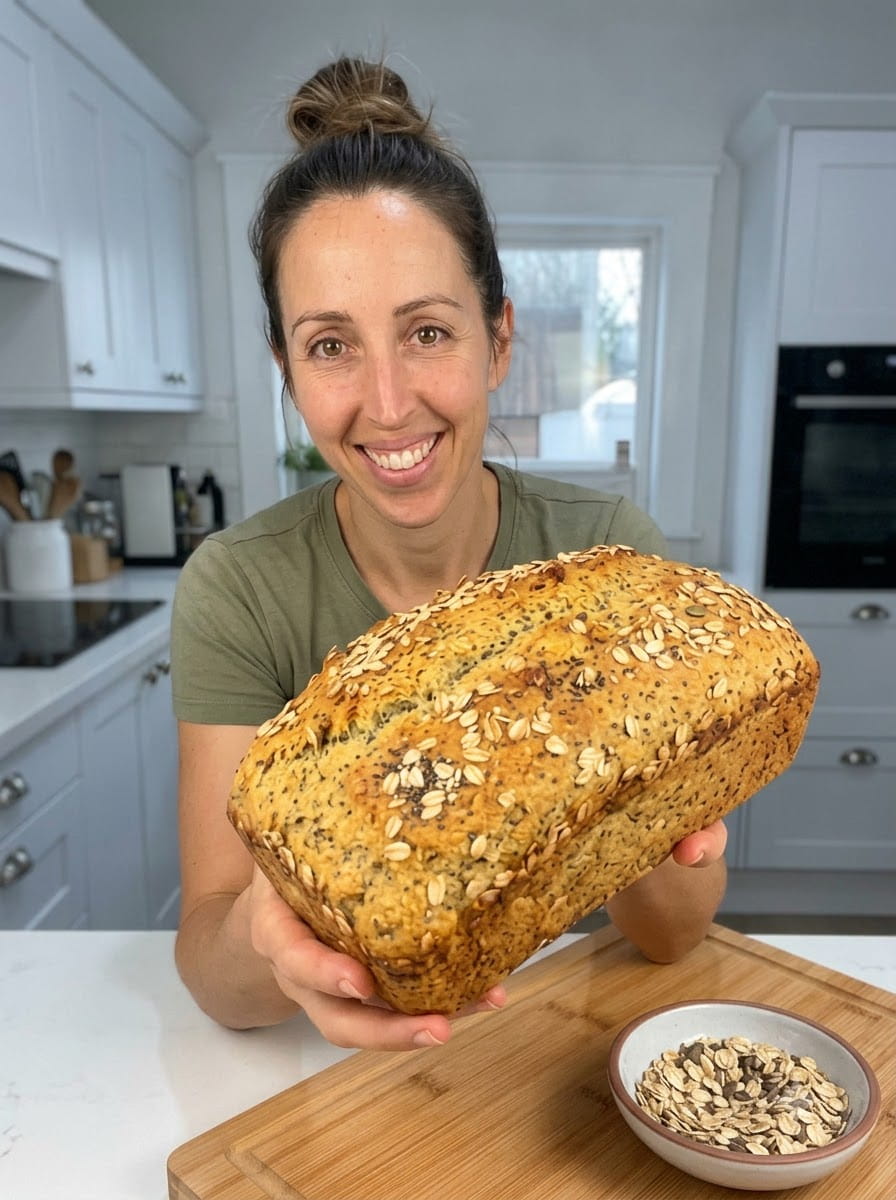
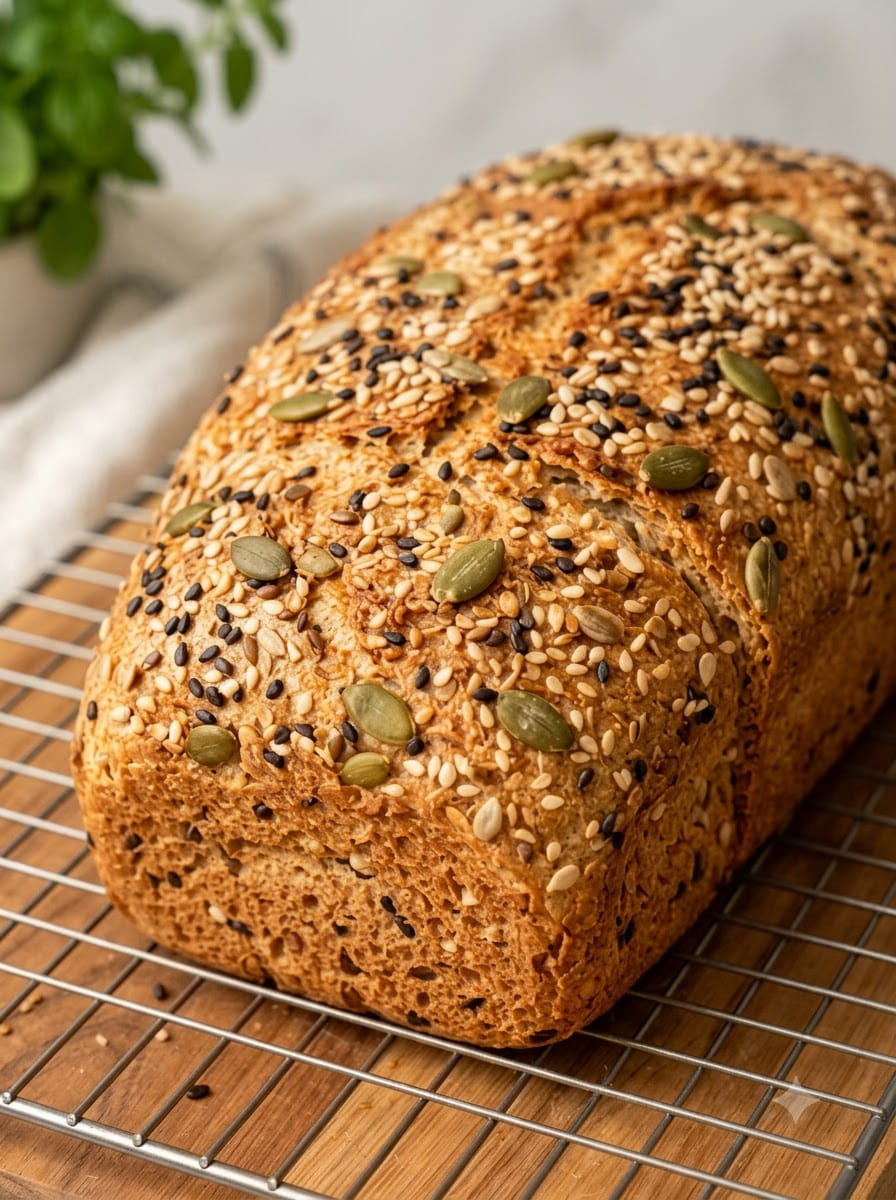
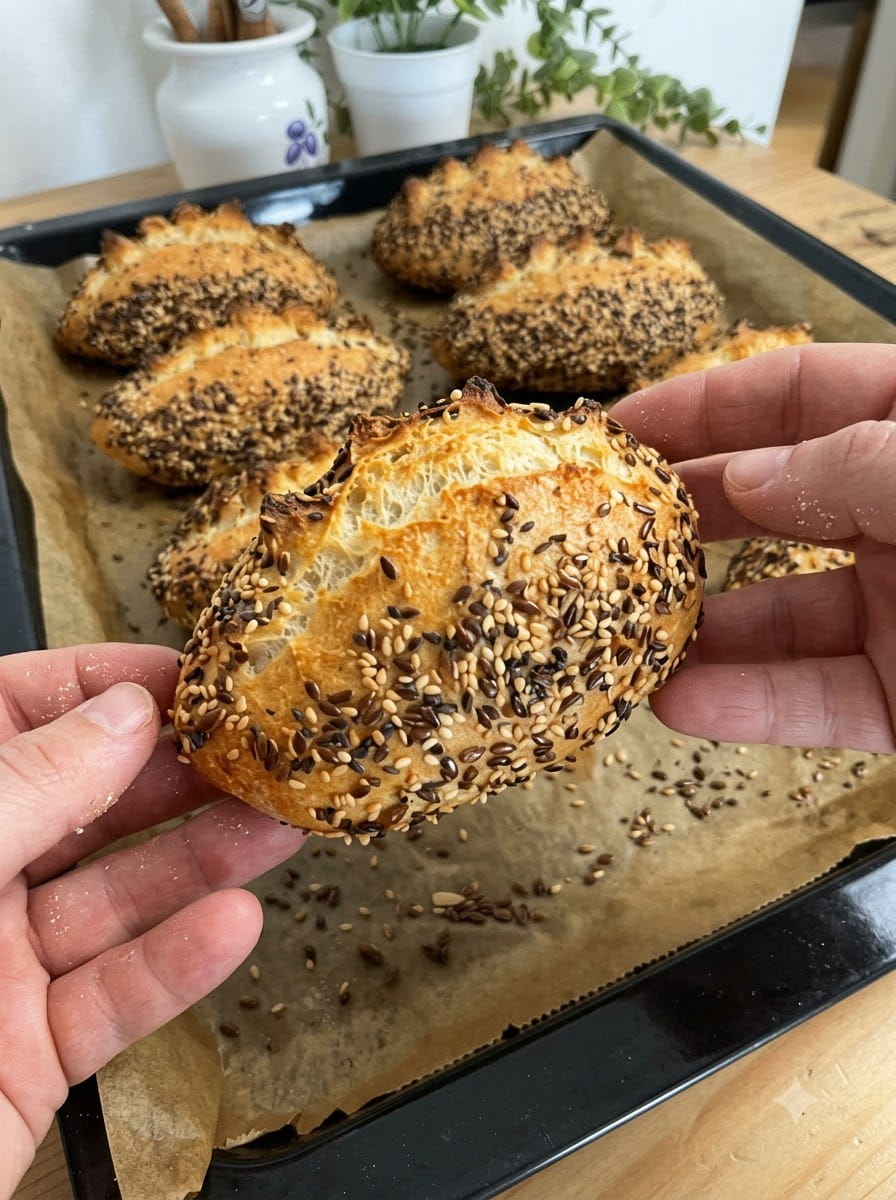
Soft and airy on the inside, golden and crusty on the outside, these Mini Seeded Baguettes are delicious homemade bread perfect for breakfast, sandwiches, or serving alongside your favorite soups. Topped with a beautiful mix of sesame, sunflower, and poppy seeds, each little baguette delivers a satisfying crunch and wonderful bakery-style flavor. They are simple, rustic, and perfect for sharing with family.
Full-size baguettes can feel intimidating, but making them in mini form is much more forgiving. The smaller loaves are easier to shape, easier to fit on a standard baking tray, and bake in under 25 minutes. They are also the perfect size for individual sandwiches, sharing at the table, or tucking into a lunchbox. A touch of honey in the dough adds subtle sweetness and helps the crust brown beautifully, while the seed topping gives every bite a nutty, toasty crunch.
In this guide, you will find the full recipe, a detailed step-by-step walkthrough, tips for shaping and scoring, how to create steam in a home oven, troubleshooting advice, serving ideas, variations, storage and freezing instructions, and answers to frequently asked questions about mini seeded baguettes.
Why You’ll Love These Mini Seeded Baguettes
They are the perfect size. Each baguette is just right for one or two people, making them ideal for sandwiches, soup dinners, and sharing.
They have a crisp, golden crust. A hot oven, a little steam, and a touch of honey create a crust that crackles when you bite into it.
The inside is soft and airy. A well-kneaded dough made with bread flour gives the baguettes a tender, light crumb.
The seed topping adds flavor and crunch. Sesame, sunflower, and poppy seeds toast in the oven, adding a nutty, bakery-style finish.
They use simple ingredients. Bread flour, water, yeast, salt, honey, and seeds are all you need. Most of these are already in a well-stocked pantry.
They are easier than full-size baguettes. Smaller loaves are quicker to shape and bake, and there is no need for special baguette pans or long, specialized trays.
They are great for sharing. The recipe makes 8 mini baguettes, enough for a family dinner or a small gathering.
They freeze beautifully. Make a batch and keep a few in the freezer for quick meals later.
What Are Mini Seeded Baguettes?
Mini seeded baguettes are small, individual-size versions of the classic French baguette, made with a yeasted dough and topped with a mixture of seeds. Like a traditional baguette, they are shaped into long, narrow loaves, scored with diagonal slashes, and baked in a hot oven with steam to develop a crisp crust. The mini size makes them much more approachable for home bakers, and the seeds add texture and flavor that set them apart from a plain loaf.
Unlike very lean traditional baguettes, this version includes a spoonful of honey, which feeds the yeast, adds a gentle sweetness, and promotes even browning. The dough is kneaded rather than folded over a long period, which makes it a straightforward, reliable recipe for anyone new to bread baking.
Ingredients for Mini Seeded Baguettes
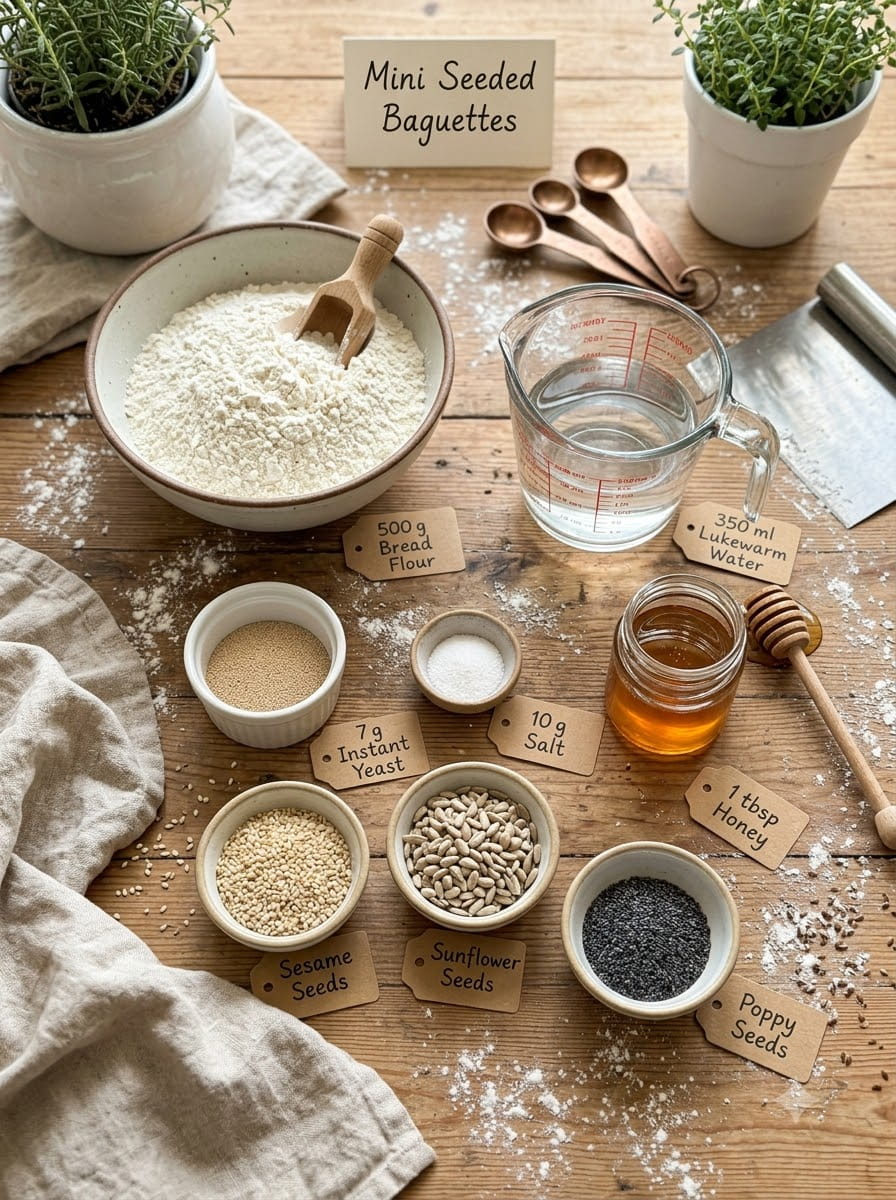
- 500 g bread flour
- 350 ml lukewarm water
- 7 g instant yeast
- 10 g salt
- 1 tbsp honey
- 2 tbsp sesame seeds
- 2 tbsp sunflower seeds
- 1 tbsp poppy seeds
- 1 tbsp water for brushing
A Closer Look at the Ingredients
Bread flour. Bread flour has a higher protein content than all-purpose flour, which develops into strong gluten when kneaded. This gives the baguettes their chewy, airy texture and structure. Weighing the flour with a kitchen scale gives the most accurate results.
Lukewarm water. Lukewarm water, about 100°F to 105°F (38°C to 40°C), activates the yeast without harming it. Water that is too hot can kill the yeast, while water that is too cold will slow the rise.
Instant yeast. Seven grams is about one standard packet, or roughly 2¼ teaspoons. Instant yeast is mixed directly into the liquid or flour and works reliably. Check the expiration date to make sure it is still active.
Salt. Ten grams of salt is about 1¾ teaspoons of fine salt. Salt provides flavor and strengthens the dough.
Honey. One tablespoon of honey gives the yeast a little extra food, adds subtle sweetness, and helps the crust turn a lovely golden brown. You can use maple syrup or sugar if you prefer.
Sesame, sunflower, and poppy seeds. This trio adds contrasting textures and flavors. Sesame is mild and nutty, sunflower seeds are rich and crunchy, and poppy seeds add a subtle sweetness and a classic look. If you like, toast the sunflower seeds lightly beforehand for deeper flavor.
Water for brushing. A thin layer of water on the surface helps the seeds stick to the dough and keeps the crust from drying out too quickly.
How to Make Mini Seeded Baguettes: Step-by-Step Instructions
Step 1: Combine the Water, Yeast, and Honey
In a large mixing bowl, combine the lukewarm water, instant yeast, and honey. Stir briefly until the honey dissolves. The mixture may begin to look slightly foamy after a few minutes, which is a good sign that the yeast is active.
Step 2: Add the Flour and Salt
Add the bread flour and salt. Mix until a rough dough forms. The dough will look shaggy and sticky at this stage, which is exactly right.
Step 3: Knead the Dough
Knead for 8 to 10 minutes until the dough becomes smooth and elastic. To knead by hand, push the dough away from you with the heel of your hand, fold it back over itself, and turn it a quarter turn. Repeat. If you are using a stand mixer with a dough hook, knead on low to medium speed for about 6 to 8 minutes. The dough should feel smooth, spring back when pressed, and be only slightly tacky. If it is very sticky, add a tiny sprinkle of flour at a time.
Step 4: First Rise
Cover the bowl and let the dough rise for 60 to 90 minutes, or until doubled in size. Place it in a warm spot away from drafts. The dough should look puffy and airy, and a gentle poke should leave a slow-springing dent.
Step 5: Divide the Dough
Transfer the dough to a lightly floured surface and divide it into 8 equal portions. For evenly sized baguettes, weigh the dough on a scale and divide the total by 8. Each portion should weigh about 110 to 115 grams.
Step 6: Shape the Baguettes
Shape each portion into a small baguette by flattening it gently, folding it lengthwise, sealing the seam, and rolling it into a short, narrow loaf. To do this, press the dough into a small rectangle. Fold the top edge down toward the center and press to seal, then fold again and pinch the seam closed. Roll the dough gently with your palms, working from the center outward, until you have a tapered loaf about 15 to 20 cm (6 to 8 inches) long.
Step 7: Second Rise
Arrange the baguettes on a parchment-lined baking tray, seam side down, leaving space between them. Cover and let them rise for another 25 to 35 minutes. They should look puffy but still hold their shape.
Step 8: Preheat the Oven and Mix the Seeds
Preheat the oven to 450°F (230°C). In a small bowl, mix the sesame, sunflower, and poppy seeds together.
Step 9: Brush and Add the Seeds
Lightly brush the baguettes with water and sprinkle the seed mixture evenly over the tops. Gently press the seeds into the dough so they stay in place during baking.
Step 10: Score the Baguettes
Make two or three shallow diagonal slashes across each baguette using a sharp blade. Aim for quick, confident cuts about 5 to 8 mm deep. Because the seeds are on top, a very sharp blade makes cleaner cuts.
Step 11: Bake With Steam
Place a heatproof pan of hot water on the lower oven rack to create steam. Bake the baguettes for 18 to 23 minutes, until golden brown and crusty. The steam helps the loaves expand fully and creates a crisp crust. Use oven mitts when handling the hot water pan.
Step 12: Cool
Transfer to a wire rack and allow them to cool slightly before serving. The baguettes are at their best warm or soon after baking, when the crust is crisp.
Helpful Tips for the Best Seeded Baguettes
Weigh your ingredients. Measuring by weight ensures consistent hydration and a reliable dough.
Knead until smooth. Proper kneading builds the gluten that gives the baguettes their chew and structure. The dough should pass the windowpane test, stretching thin without tearing.
Divide the dough evenly. Equal portions bake at the same rate. A kitchen scale makes this easy.
Do not overproof. Over-risen baguettes can spread and lose their shape. They should look puffy, not huge.
Press the seeds in. Gently pressing the seeds into the dough keeps them from falling off when you slash or slice the loaves.
Use steam. Steam is what creates a glossy, crisp crust. A pan of hot water works well in most home ovens.
Use a very sharp blade. A sharp blade or razor makes clean cuts without dragging the dough or knocking off seeds.
Do not skip preheating. A fully preheated oven provides the burst of heat the loaves need to rise well. Allow at least 20 to 30 minutes.
Watch the seeds. Seeds can brown quickly. If the tops are darkening too fast, loosely tent the tray with foil for the last few minutes.
Troubleshooting Common Problems
The dough did not rise. The yeast may be old, or the water may have been too hot or too cold. Use fresh yeast and lukewarm water, and give the dough extra time in a warm place.
The dough is too sticky. Slightly tacky is normal. If it sticks heavily to your hands, add a small amount of flour while kneading, but avoid adding too much, which can make the bread dense.
The baguettes are flat. They may have been overproofed or shaped too loosely. Shape them with gentle tension and bake as soon as they look puffy.
The crust is pale. The oven may not have been hot enough. Make sure it is fully preheated, bake until deeply golden, and check that you used steam.
The crust is too hard. Overbaking or too much steam can create a thick crust. Check the baguettes near the end of the baking window.
The seeds fell off. Brush the dough lightly with water before adding the seeds and press them in gently. Avoid brushing with too much water, which can make the seeds slide.
The seeds burned. Lower the oven rack slightly or tent with foil near the end of the bake.
The baguettes are dense. This may result from old yeast, too much flour, too little kneading, or an under-proofed dough. Measure carefully and let the dough fully rise.
The slashes did not open. The blade may have been dull, or the loaves overproofed. Use a sharp blade and bake while the dough is puffy but not overly risen.
Delicious Ways to Serve Mini Seeded Baguettes
With butter. A warm baguette with creamy butter is simple and satisfying.
With cheese. Pair with brie, cheddar, goat cheese, or cream cheese for a quick snack.
As sandwiches. Split a baguette and fill it with turkey, ham, chicken salad, roasted vegetables, or tomato and mozzarella.
With soup. Serve warm alongside tomato soup, vegetable soup, or a hearty stew.
For breakfast. Toast a baguette and top it with eggs, avocado, or jam.
With dips. Serve with hummus, olive oil, or tapenade for dipping.
On a charcuterie board. Slice the baguettes and arrange them with cheeses, cured meats, fruit, and olives.
As garlic bread. Slice, spread with garlic butter, and bake until golden.
For picnics and lunchboxes. The mini size is ideal for packing.
Flavor Variations to Try
- Different seeds. Use flax seeds, pumpkin seeds, nigella seeds, or caraway seeds for a different flavor.
- Everything seasoning. Replace the seed mixture with everything bagel seasoning.
- Herb baguettes. Add dried rosemary or thyme to the dough.
- Cheese baguettes. Sprinkle shredded cheese over the tops during the last few minutes of baking.
- Whole wheat blend. Replace up to 100 grams of the bread flour with whole wheat flour for a nuttier loaf. You may need slightly more water.
- Seeds inside the dough. Knead a tablespoon of seeds into the dough for added texture throughout.
- Plain mini baguettes. Skip the seeds if you prefer a simple version.
- Sweet version. Brush with butter and sprinkle with cinnamon sugar for a sweet treat.
Remember that changes to the dough can affect hydration and baking time, so keep an eye on the loaves.
How to Store Mini Seeded Baguettes
At room temperature. Baguettes are best on the day they are baked. To keep them for a day, store them in a paper bag or wrap them in a clean kitchen towel. Avoid sealed plastic, which softens the crust.
In the refrigerator. Refrigeration speeds up staling, so it is generally not recommended.
In the freezer. Cool the baguettes completely, then wrap them individually or place them in a freezer-safe bag. They keep well for 2 to 3 months. Thaw at room temperature, then refresh in a hot oven for a few minutes.
Reviving day-old baguettes. Sprinkle lightly with water and bake at 350°F (175°C) for 5 to 8 minutes to bring back the crisp crust.
Using leftovers. Turn stale baguettes into croutons, breadcrumbs, or French toast.
Are Mini Seeded Baguettes Healthy?
Homemade bread lets you control what goes into your loaf. These baguettes use simple ingredients with no preservatives or additives. The seeds add healthy fats, a little protein, and extra texture, and the honey is used in a small amount.
They are made with refined bread flour, so they are not especially high in fiber, though swapping in some whole wheat flour can raise the fiber content. Nutritional values vary with the size of each baguette and the ingredients you use. If you track nutrition closely, calculate it using your own products.
If you have food allergies, check the ingredient labels. These baguettes contain wheat and gluten, and the topping includes sesame, which is a common allergen. Sunflower and poppy seeds can also trigger allergies in some people.
Frequently Asked Questions
Can I use all-purpose flour instead of bread flour?
Yes, but the baguettes will be a little softer and less chewy, and the dough may need slightly less water. Bread flour is recommended for the best texture.
Can I use active dry yeast instead of instant yeast?
Yes. Dissolve active dry yeast in the lukewarm water and let it sit for 5 to 10 minutes until foamy before adding the flour. Use about 25 percent more by weight.
Can I make the dough ahead of time?
Yes. After kneading, place the dough in a lightly oiled bowl, cover, and refrigerate overnight. Let it come to room temperature and finish rising before shaping.
Do I need a baking stone?
No. A parchment-lined baking tray works well. A preheated baking stone or steel can give a crisper base, but it is optional.
How do I create steam without special equipment?
Place a heatproof metal pan on the lower rack as the oven heats. When you load the baguettes, pour hot water into the pan and close the oven door right away. Use caution when pouring.
Can I use a different sweetener instead of honey?
Yes. Maple syrup, sugar, or agave all work. The flavor will vary slightly.
Why did my seeds fall off?
The dough may have been too dry on the surface. Brush with water before adding the seeds and press them in gently.
How do I know when the baguettes are done?
They should be deep golden brown and sound hollow when tapped on the bottom. The internal temperature should be about 200°F to 205°F (93°C to 96°C).
Can I make these full-size instead of mini?
Yes. Divide the dough into 3 portions instead of 8 and shape long baguettes. Bake for about 22 to 28 minutes, checking for doneness.
Can I freeze the dough?
Yes. After shaping, you can freeze the baguettes on a tray, then wrap them. Thaw, let them rise until puffy, and bake as directed. Results are best when the yeast is a little fresh and active.
How long do they stay fresh?
They are best on the day they are baked. They can be kept for a day in a paper bag, then refreshed in the oven. For longer storage, freeze them.
Final Thoughts
These Mini Seeded Baguettes bring bakery-style flavor and texture right into your kitchen. With bread flour, lukewarm water, yeast, salt, and a touch of honey, you can make a soft, airy dough that bakes into golden, crusty loaves. The mixed seed topping of sesame, sunflower, and poppy seeds adds a satisfying crunch that makes them feel special.
The process is straightforward: mix, knead, rise, divide, shape, rise again, top with seeds, slash, and bake with steam. With a few simple tips, such as weighing the ingredients, pressing in the seeds, and using steam, you will have beautiful baguettes every time.
If you are looking for a simple, rustic bread to serve with soup, sandwiches, or a family dinner, give these mini seeded baguettes a try. Serve them warm with butter or cheese, and enjoy the crunch of the first bite. 🥖🌻✨
Print
Mini Seeded Baguettes
Ingredients
- 500 g bread flour
- 350 ml lukewarm water
- 7 g instant yeast
- 10 g salt
- 1 tbsp honey
- 2 tbsp sesame seeds
- 2 tbsp sunflower seeds
- 1 tbsp poppy seeds
- 1 tbsp water for brushing
Instructions
In a large mixing bowl, combine the lukewarm water, instant yeast, and honey. Stir briefly until the honey dissolves. The mixture may begin to look slightly foamy after a few minutes, which is a good sign that the yeast is active.
Add the bread flour and salt. Mix until a rough dough forms. The dough will look shaggy and sticky at this stage, which is exactly right.
Knead for 8 to 10 minutes until the dough becomes smooth and elastic. To knead by hand, push the dough away from you with the heel of your hand, fold it back over itself, and turn it a quarter turn. Repeat. If you are using a stand mixer with a dough hook, knead on low to medium speed for about 6 to 8 minutes. The dough should feel smooth, spring back when pressed, and be only slightly tacky. If it is very sticky, add a tiny sprinkle of flour at a time.
Cover the bowl and let the dough rise for 60 to 90 minutes, or until doubled in size. Place it in a warm spot away from drafts. The dough should look puffy and airy, and a gentle poke should leave a slow-springing dent.
Transfer the dough to a lightly floured surface and divide it into 8 equal portions. For evenly sized baguettes, weigh the dough on a scale and divide the total by 8. Each portion should weigh about 110 to 115 grams.
Shape each portion into a small baguette by flattening it gently, folding it lengthwise, sealing the seam, and rolling it into a short, narrow loaf. To do this, press the dough into a small rectangle. Fold the top edge down toward the center and press to seal, then fold again and pinch the seam closed. Roll the dough gently with your palms, working from the center outward, until you have a tapered loaf about 15 to 20 cm (6 to 8 inches) long.
Arrange the baguettes on a parchment-lined baking tray, seam side down, leaving space between them. Cover and let them rise for another 25 to 35 minutes. They should look puffy but still hold their shape.
Preheat the oven to 450°F (230°C). In a small bowl, mix the sesame, sunflower, and poppy seeds together.
Lightly brush the baguettes with water and sprinkle the seed mixture evenly over the tops. Gently press the seeds into the dough so they stay in place during baking.
Make two or three shallow diagonal slashes across each baguette using a sharp blade. Aim for quick, confident cuts about 5 to 8 mm deep. Because the seeds are on top, a very sharp blade makes cleaner cuts.
Place a heatproof pan of hot water on the lower oven rack to create steam. Bake the baguettes for 18 to 23 minutes, until golden brown and crusty. The steam helps the loaves expand fully and creates a crisp crust. Use oven mitts when handling the hot water pan.
Transfer to a wire rack and allow them to cool slightly before serving. The baguettes are at their best warm or soon after baking, when the crust is crisp.