Ingredients
- 1½ cups (300 g) dry red lentils
- 1 cup (240 ml) water (fresh, for blending)
- 2 tablespoons olive oil
- 1 teaspoon baking powder (optional)
- ½ teaspoon salt (optional)
Instructions
Rinse the red lentils thoroughly in a fine-mesh strainer until the water runs clear. Place them in a large bowl and cover them with plenty of water, since they will absorb some as they soak. Let them soak for 4 to 6 hours, or overnight.
Soaking softens the lentils so they blend into a smooth batter. It also helps make them easier to digest for many people and reduces the earthy, raw-legume taste.
Drain the soaked lentils in a strainer and rinse them again under cold water. Shake off the excess water. This removes the soaking liquid, which can contain compounds that affect flavor and digestion.
Add the drained lentils, 1 cup of fresh water, olive oil, and salt to a blender. Blend on high until you have a smooth, thick batter, scraping down the sides if needed. If you’re using baking powder, add it at the end and blend briefly, just until combined.
A little graininess is normal for lentil batter, but you’re aiming for as smooth as possible. Over-blending after adding baking powder isn’t necessary, because the leavening works best when it’s simply mixed in.
Preheat your oven to 375°F (190°C). Line a small loaf pan with parchment paper, leaving some overhang on the sides so you can lift the loaf out later. Lentil batter has no gluten and little fat, so it can stick to a bare pan.
Pour the batter into the prepared pan and smooth the top with a spatula. Tap the pan gently on the counter once or twice to release any large air bubbles.
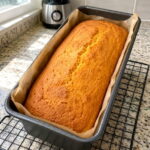
Bake for 40 to 50 minutes. The bread is ready when the top is set and lightly golden, the loaf feels firm, and a toothpick inserted into the center comes out clean or with just a few dry crumbs.
If the top browns too quickly, cover it loosely with foil for the last 10 to 15 minutes.
Let the loaf cool completely before removing it from the pan and slicing. This is an important step. Lentil bread continues to firm up as it cools, and cutting it while warm can leave you with a gummy, crumbly center. Lift it out using the parchment and place it on a wire rack.
Use a serrated knife and a gentle sawing motion to make even slices. Enjoy the bread fresh, toasted, or topped with your favorite spreads.