
Simple Blender Lentil Bread: Easy, Healthy, Flourless and Vegan-Friendly
Homemade bread has a reputation for being time-consuming. You have to proof yeast, knead dough, wait for it to rise, and hope it bakes properly. This blender lentil bread skips all of that. You soak red lentils, blend them with water and olive oil, pour the batter into a pan, and bake. There is no flour, no yeast, no kneading, and no rising time.
The result is a soft, hearty, wholesome loaf that works for breakfast toast, sandwiches, or a healthy snack. It’s naturally gluten-free and plant-based, and it’s made from ingredients that cost very little. This guide covers the full recipe, the science behind why it works, tips for the best texture, flavor variations, serving ideas, storage, and answers to common questions.
What Is Lentil Bread?
Lentil bread is a flourless loaf made from soaked, blended lentils. When red lentils are soaked and blended with water, they turn into a smooth, thick batter. The natural starches and proteins in the lentils set as the batter bakes, giving the loaf its structure. No wheat flour is needed.
Red lentils are the best choice for this kind of bread. They are split and hulled, so they soften quickly, blend easily, and have a mild, slightly sweet flavor compared with brown or green lentils. They also produce a lighter-colored, softer crumb.
Lentil bread isn’t identical to traditional wheat bread, and that’s fine. It has a moist, tender, slightly dense crumb and a subtle earthy flavor. It slices well, toasts nicely, and holds up to spreads and toppings. Think of it as a sturdy, nourishing loaf rather than a fluffy sandwich bread.
Why You’ll Love This Recipe
Minimal ingredients. The base recipe uses red lentils, water, olive oil, and a little salt, with baking powder as an optional boost.
Naturally flourless and gluten-free. There is no wheat flour in the recipe. If you need to avoid gluten strictly, choose lentils that are labeled gluten-free, since lentils can sometimes be processed alongside wheat.
No yeast, no kneading, no rising. The only waiting is the soaking time, and that’s hands-off. You can soak the lentils overnight while you sleep.
Plant-based protein and fiber. Lentils are known for being a good source of both, which makes this bread filling and satisfying.
Budget-friendly. Dry red lentils are one of the cheapest pantry staples you can buy, and 1½ cups makes a whole loaf.
Vegan-friendly. Unlike many bean breads, this recipe uses no eggs, so it’s suitable for a vegan diet as written.
Great for meal prep. The loaf keeps well and freezes beautifully in slices.
Ingredients
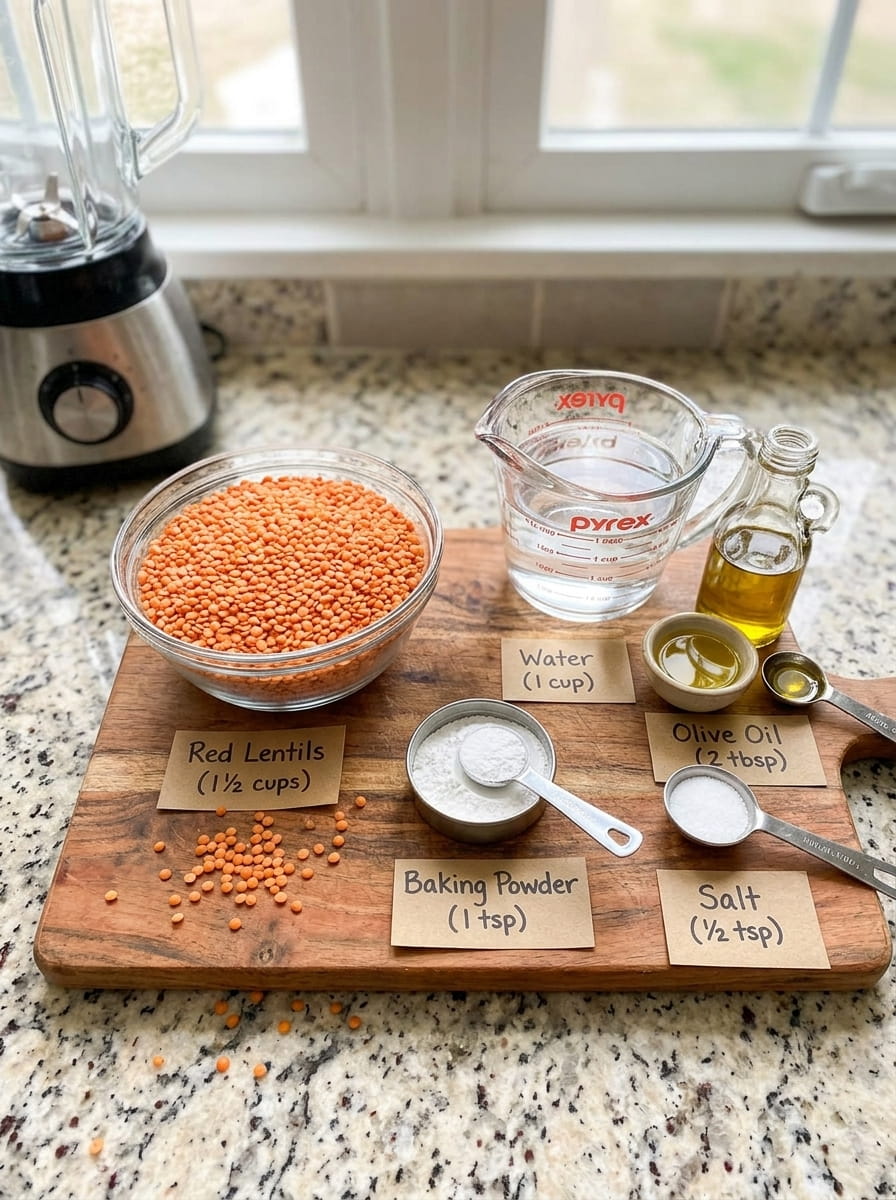
- 1½ cups (300 g) dry red lentils
- 1 cup (240 ml) water (fresh, for blending)
- 2 tablespoons olive oil
- 1 teaspoon baking powder (optional)
- ½ teaspoon salt (optional)
You’ll also need plenty of extra water for soaking, a blender, a small loaf pan, and parchment paper.
Notes on the Ingredients
Red lentils. Use split red lentils (sometimes sold as masoor dal). They blend smoothly and bake into a soft crumb. Whole brown or green lentils have tougher skins, take longer to blend smooth, and produce a darker, earthier, grainier loaf.
Water. The amount of water controls the batter’s thickness. The batter should be thick but pourable, similar to a heavy pancake batter. If your blender struggles, add a tablespoon of water at a time.
Olive oil. Oil adds moisture, richness, and a softer crumb. It also helps prevent the bread from drying out as it bakes. You can swap in another neutral oil, such as avocado oil.
Baking powder. This is optional, but it gives the loaf a slightly lighter, airier texture. Without it, the bread will be denser and more compact. If you use it, make sure it’s fresh.
Salt. Also optional, but strongly recommended for flavor. Unsalted lentil bread tastes quite flat.
Instructions
Step 1: Soak the Lentils
Rinse the red lentils thoroughly in a fine-mesh strainer until the water runs clear. Place them in a large bowl and cover them with plenty of water, since they will absorb some as they soak. Let them soak for 4 to 6 hours, or overnight.
Soaking softens the lentils so they blend into a smooth batter. It also helps make them easier to digest for many people and reduces the earthy, raw-legume taste.
Step 2: Drain and Rinse Again
Drain the soaked lentils in a strainer and rinse them again under cold water. Shake off the excess water. This removes the soaking liquid, which can contain compounds that affect flavor and digestion.
Step 3: Blend the Batter
Add the drained lentils, 1 cup of fresh water, olive oil, and salt to a blender. Blend on high until you have a smooth, thick batter, scraping down the sides if needed. If you’re using baking powder, add it at the end and blend briefly, just until combined.
A little graininess is normal for lentil batter, but you’re aiming for as smooth as possible. Over-blending after adding baking powder isn’t necessary, because the leavening works best when it’s simply mixed in.
Step 4: Prepare the Pan
Preheat your oven to 375°F (190°C). Line a small loaf pan with parchment paper, leaving some overhang on the sides so you can lift the loaf out later. Lentil batter has no gluten and little fat, so it can stick to a bare pan.
Step 5: Pour and Smooth
Pour the batter into the prepared pan and smooth the top with a spatula. Tap the pan gently on the counter once or twice to release any large air bubbles.
Step 6: Bake
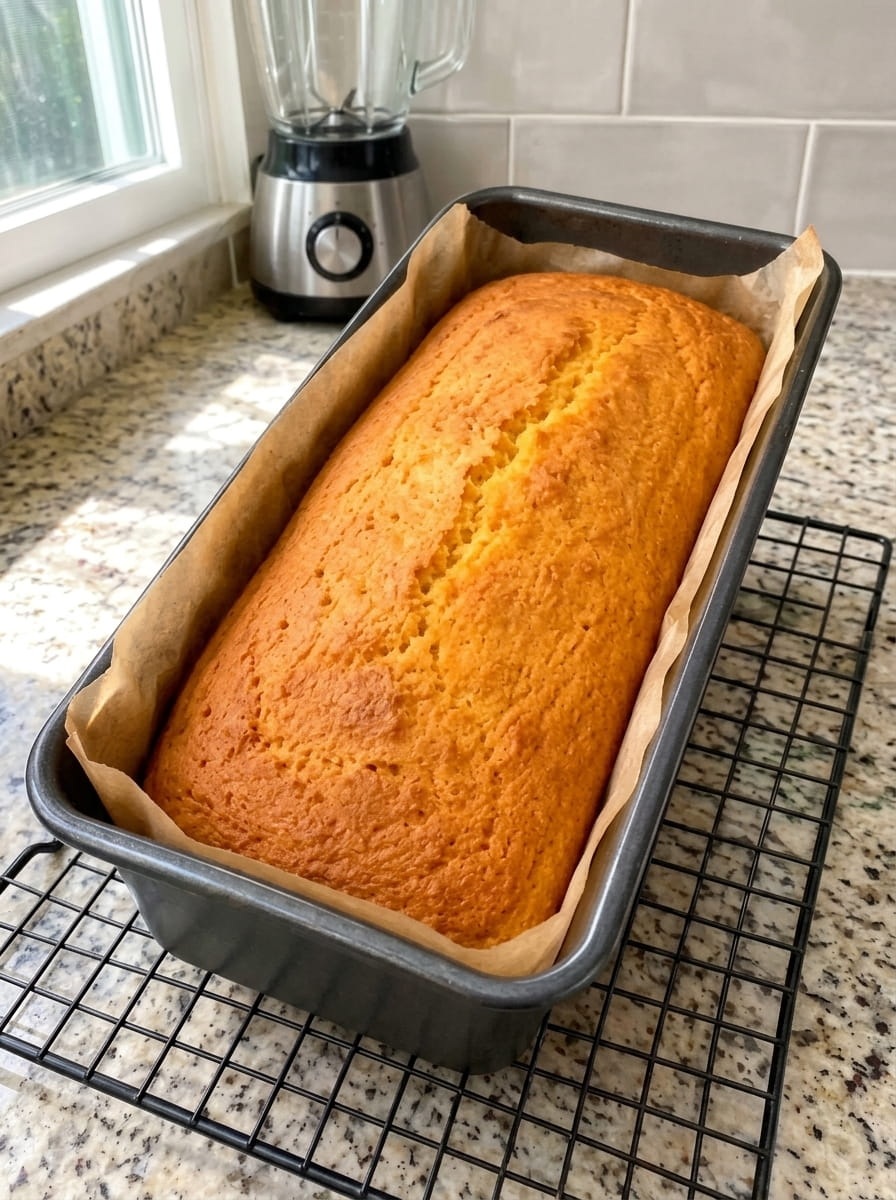
Bake for 40 to 50 minutes. The bread is ready when the top is set and lightly golden, the loaf feels firm, and a toothpick inserted into the center comes out clean or with just a few dry crumbs.
If the top browns too quickly, cover it loosely with foil for the last 10 to 15 minutes.
Step 7: Cool Completely
Let the loaf cool completely before removing it from the pan and slicing. This is an important step. Lentil bread continues to firm up as it cools, and cutting it while warm can leave you with a gummy, crumbly center. Lift it out using the parchment and place it on a wire rack.
Step 8: Slice and Serve
Use a serrated knife and a gentle sawing motion to make even slices. Enjoy the bread fresh, toasted, or topped with your favorite spreads.
Tips for the Best Lentil Bread
Don’t skip the soak. Soaking is what turns hard lentils into a smooth, bakeable batter. Skipping it will leave you with a gritty texture.
Use red (split) lentils. They’re the easiest to blend and give the softest result.
Drain very well. Excess water thins the batter and makes the loaf gummy. After draining, let the lentils sit in the strainer for a few minutes.
Aim for a thick batter. If the batter is too runny, the loaf won’t set properly. If it’s too thick for your blender, add water a spoonful at a time.
Use a small loaf pan. A pan that’s too large spreads the batter thin, producing a flat, dry loaf. A smaller pan creates a taller, more bread-like shape.
Cool completely. Patience gives you cleaner slices and a better texture.
Toast your slices. Toasting firms up the crumb, crisps the edges, and improves the flavor.
Troubleshooting Common Problems
The bread is gummy in the center. It may need more baking time, or it was sliced before cooling. Bake a few more minutes and always cool fully before cutting.
The loaf is too dense. This can be caused by a too-thin batter, a pan that’s too big, or skipping the baking powder. Try adding fresh baking powder and make sure the batter is thick.
The texture is gritty. The lentils may not have soaked long enough, or the blender may not have run long enough. Soak for a full 6 hours or overnight, and blend until very smooth.
It tastes bland. Add the salt, and consider seasonings like garlic powder, cumin, or herbs. A well-seasoned loaf tastes much better than an unseasoned one.
It crumbles when sliced. This usually means it was cut too soon or is slightly underbaked. Let it cool fully, and use a sharp serrated knife.
It stuck to the pan. Make sure the pan is fully lined with parchment paper.
Flavor Variations and Add-Ins
The base recipe is simple and mild, so it’s easy to customize. Add these to the blender with the lentils:
Savory variations
- 1 to 2 cloves of garlic or 1 teaspoon garlic powder
- 1 teaspoon cumin, turmeric, or smoked paprika
- 1 to 2 teaspoons dried herbs such as oregano, thyme, or rosemary
- 1 tablespoon nutritional yeast for a savory, cheesy flavor
- A tablespoon of ground flaxseed for extra fiber
Seed topping
- Sprinkle sesame seeds, sunflower seeds, pumpkin seeds, or flaxseeds over the batter before baking for a crunchy, bakery-style top.
Mild sweet option
- A teaspoon of cinnamon plus a drizzle of maple syrup makes a gentle breakfast-style loaf.
Additions can change the baking time slightly, so always check for doneness with a toothpick.
How to Serve Lentil Bread
Breakfast toast. Top toasted slices with mashed avocado, tomato, and a pinch of salt and pepper, or with a soft-boiled or fried egg if you eat eggs.
Sandwiches. Use it for hummus and vegetable sandwiches, grilled cheese, or turkey and salad. Toast the slices first so they hold together.
Healthy snack. Spread with almond butter, peanut butter, or tahini, and add banana slices or berries.
With soups and stews. Serve thick slices with tomato soup, vegetable soup, or a hearty stew for dipping.
Savory spreads. Try it with hummus, baba ganoush, guacamole, or labneh.
Open-faced melts. Top with cheese and sliced vegetables, then broil for a couple of minutes.
Storage and Meal Prep
Refrigerator. Once the loaf has cooled completely, wrap it tightly or place it in an airtight container. It keeps well in the fridge for about 4 to 5 days. Because it’s a moist, flourless loaf, refrigeration is best.
Freezer. Slice the loaf first and place parchment paper between the slices. Store in a freezer-safe bag or container for up to about 3 months. You can toast slices straight from frozen.
Reheating. Use a toaster, toaster oven, or a hot, dry skillet. Toasting brings back a pleasant crisp texture.
Nutrition: Why Lentil Bread Is So Satisfying
Exact nutrition depends on your lentils, your slice thickness, and any add-ins, so these are general notes rather than precise numbers.
Lentils are a well-known source of plant protein, dietary fiber, iron, and folate. Because this recipe replaces flour with lentils, the loaf is generally higher in protein and fiber than comparable white bread. The combination of protein and fiber helps you feel full longer, which makes the bread a good option for breakfast or a light lunch. Olive oil adds healthy monounsaturated fats.
For the most accurate numbers, enter your specific ingredients into a nutrition calculator and divide by the number of slices. Cutting the loaf into 8 slices makes portion tracking easy.
A few things to keep in mind:
- Lentils are high in fiber, so if you aren’t used to eating many legumes, start with a slice or two and see how you feel.
- Salt is optional, which gives you control over the sodium content.
- If you have specific dietary needs or health conditions, check with a doctor or registered dietitian about whether this bread fits your plan.
Frequently Asked Questions
Is lentil bread gluten-free?
The ingredients are naturally gluten-free. For strict avoidance, look for lentils and baking powder labeled gluten-free to avoid cross-contamination.
Is this recipe vegan?
Yes. It contains no eggs, dairy, or animal products, so it’s naturally vegan.
Do I have to soak the lentils?
Yes, soaking is important. It softens the lentils for a smooth batter and improves texture and digestibility. Soaking 4 to 6 hours or overnight works best.
Can I use brown or green lentils?
You can, but the results differ. They have tougher skins, a stronger earthy taste, and a coarser texture. Red lentils give the smoothest, mildest loaf.
Is the baking powder necessary?
No, it’s optional. Without it the bread will be denser. With it, the crumb is slightly lighter.
Does it taste like lentils?
It has a mild, earthy, slightly nutty flavor. Salt, garlic, herbs, and toasting all help balance it. Red lentils are the mildest option.
Can I use a food processor?
A high-speed blender gives the smoothest result, but a food processor can work. Blend longer and scrape the bowl often.
Can I add seeds or nuts?
Yes. Sprinkle seeds on top or stir a few into the batter after blending for extra crunch and nutrition.
How do I know when it’s done?
It should feel firm, look set and lightly golden, and a toothpick should come out clean or nearly clean.
Can I double the recipe?
Yes, but use a larger pan and expect a longer baking time. Check the center for doneness before removing the loaf.
Final Thoughts
This simple blender lentil bread shows how little you need to make a satisfying, wholesome loaf. With red lentils, water, olive oil, and a pinch of salt, you get a soft, hearty, naturally gluten-free and vegan bread, with no flour, no yeast, no kneading, and no rising time.
The keys to success are straightforward: soak the lentils well, blend until smooth, keep the batter thick, bake in a small pan, and let the loaf cool completely before slicing. Follow those steps and you’ll have a dependable, budget-friendly bread for sandwiches, toast, and snacks all week long. Toast a slice, add your favorite topping, and enjoy.
Print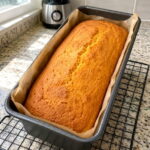
Simple Blender Lentil Bread
Ingredients
- 1½ cups (300 g) dry red lentils
- 1 cup (240 ml) water (fresh, for blending)
- 2 tablespoons olive oil
- 1 teaspoon baking powder (optional)
- ½ teaspoon salt (optional)
Instructions
Rinse the red lentils thoroughly in a fine-mesh strainer until the water runs clear. Place them in a large bowl and cover them with plenty of water, since they will absorb some as they soak. Let them soak for 4 to 6 hours, or overnight.
Soaking softens the lentils so they blend into a smooth batter. It also helps make them easier to digest for many people and reduces the earthy, raw-legume taste.
Drain the soaked lentils in a strainer and rinse them again under cold water. Shake off the excess water. This removes the soaking liquid, which can contain compounds that affect flavor and digestion.
Add the drained lentils, 1 cup of fresh water, olive oil, and salt to a blender. Blend on high until you have a smooth, thick batter, scraping down the sides if needed. If you’re using baking powder, add it at the end and blend briefly, just until combined.
A little graininess is normal for lentil batter, but you’re aiming for as smooth as possible. Over-blending after adding baking powder isn’t necessary, because the leavening works best when it’s simply mixed in.
Preheat your oven to 375°F (190°C). Line a small loaf pan with parchment paper, leaving some overhang on the sides so you can lift the loaf out later. Lentil batter has no gluten and little fat, so it can stick to a bare pan.
Pour the batter into the prepared pan and smooth the top with a spatula. Tap the pan gently on the counter once or twice to release any large air bubbles.
Bake for 40 to 50 minutes. The bread is ready when the top is set and lightly golden, the loaf feels firm, and a toothpick inserted into the center comes out clean or with just a few dry crumbs.
If the top browns too quickly, cover it loosely with foil for the last 10 to 15 minutes.
Let the loaf cool completely before removing it from the pan and slicing. This is an important step. Lentil bread continues to firm up as it cools, and cutting it while warm can leave you with a gummy, crumbly center. Lift it out using the parchment and place it on a wire rack.
Use a serrated knife and a gentle sawing motion to make even slices. Enjoy the bread fresh, toasted, or topped with your favorite spreads.