
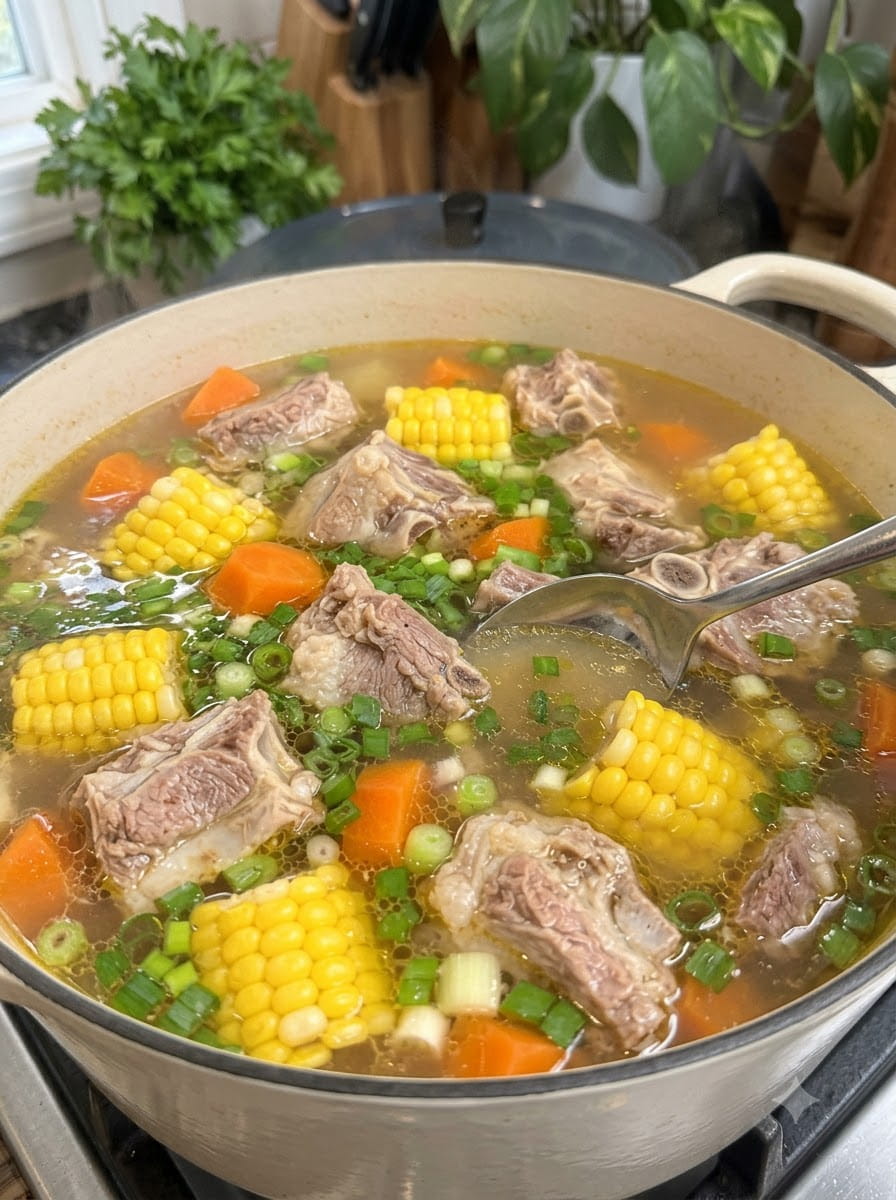
Chinese Beef Rib Soup with Whole Garlic
This comforting Chinese Beef Rib Soup with Whole Garlic is a simple, nourishing homemade dish filled with deep, savory flavor. Tender beef short ribs slowly simmer with a whole bulb of garlic, fresh ginger, green onions, and a touch of Shaoxing cooking wine to create a beautifully aromatic broth. As the soup gently cooks, the garlic becomes soft, mellow, and almost buttery, adding warmth and richness to every spoonful without overpowering the beef.
The secret to this delicious soup is patience. A gentle simmer allows the beef ribs to become tender while their natural flavor develops into a rich, satisfying broth. Finished with a little salt and white pepper, this traditional-inspired Chinese comfort food is perfect for chilly evenings, family dinners, or whenever you want a warm bowl of homemade goodness. Serve it with steamed rice and enjoy every comforting spoonful!
Why You’ll Love This Chinese Beef Rib Soup
- Deep, comforting flavor: Beef ribs, whole garlic, and ginger create a naturally savory broth.
- Simple ingredients: Everyday aromatics and a few pantry staples make this soup easy to prepare.
- Tender beef: Slow simmering allows the short ribs to become wonderfully tender.
- Mellow garlic flavor: Cooking the whole garlic bulb softens its sharpness and brings out its natural sweetness.
- Light but satisfying: The clear broth is comforting without being overly heavy.
- Perfect for family meals: A large pot makes a wonderful dinner to share.
Ingredients 🛒
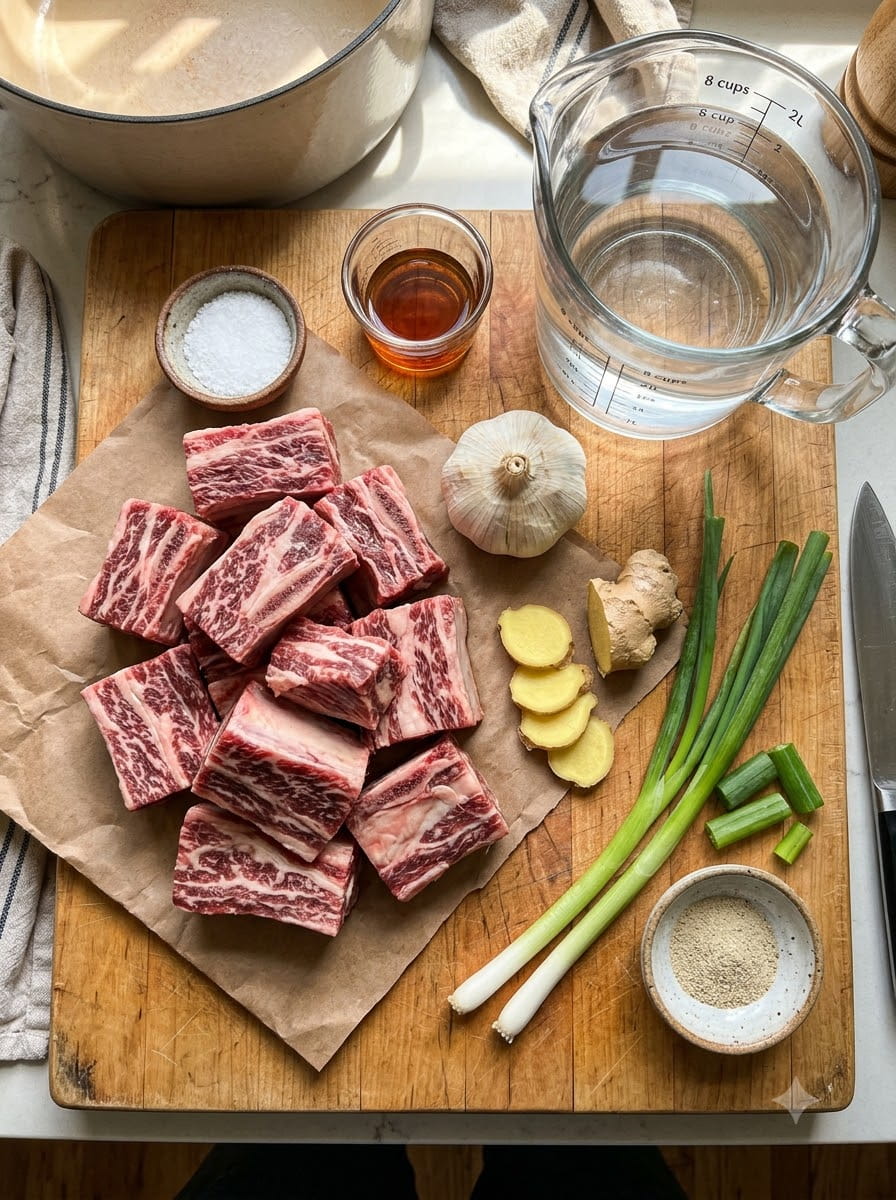
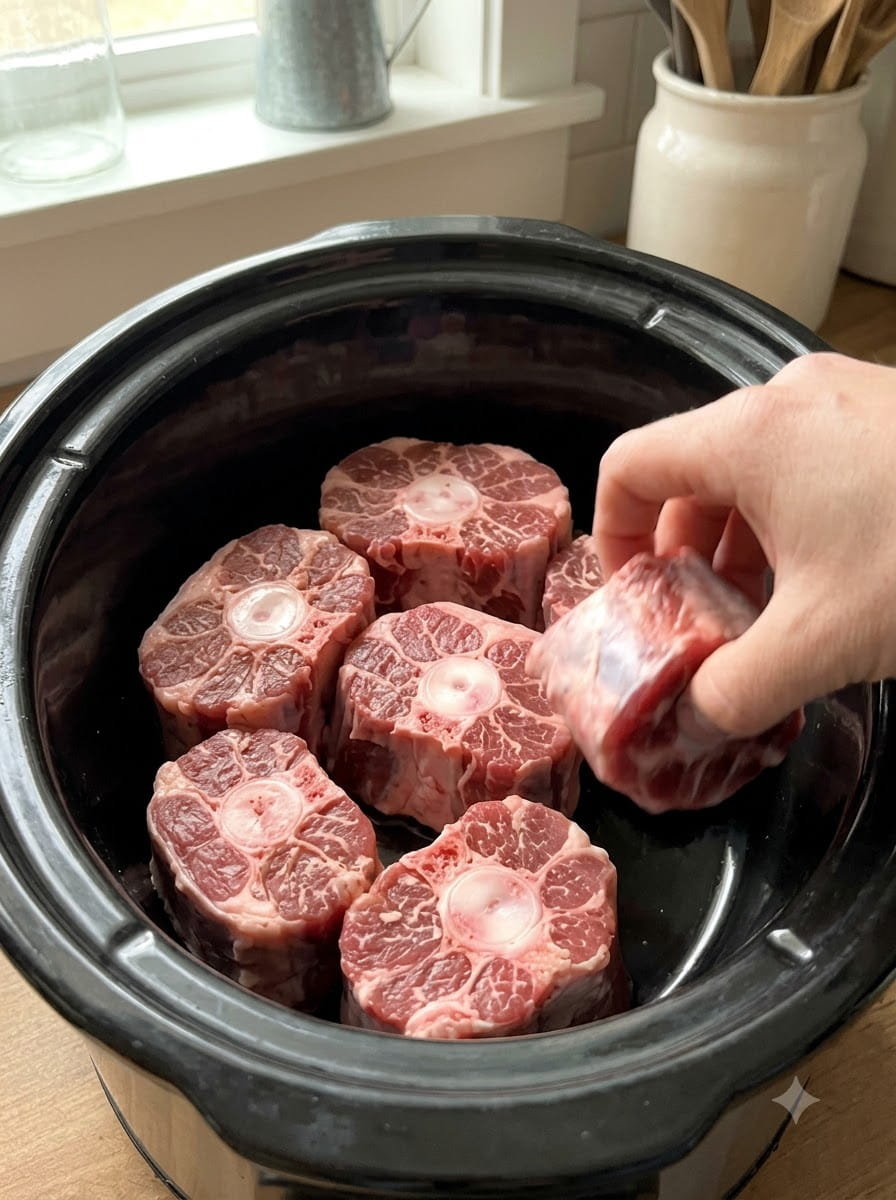
- 1 1/2 lb beef short ribs, preferably cut into small pieces
- 3/4 tsp salt, or to taste
- 1 whole bulb garlic, washed and unpeeled
- 8 cups water
- 1-inch piece fresh ginger, sliced
- 2 green onions, cut into sections
- 1/2 tsp white pepper
- 1 tablespoon Shaoxing cooking wine
Instructions 📌
- Prepare the beef: Rinse the beef short ribs under cold running water. Place them in a large pot and cover with fresh water.
- Blanch the ribs: Bring the water to a boil and cook for approximately 5 minutes. This helps remove surface impurities that can make the broth cloudy.
- Drain and rinse: Remove the ribs from the pot, discard the blanching water, and rinse the beef pieces thoroughly. Wash the pot before continuing.
- Start the broth: Return the cleaned beef ribs to the pot and add 8 cups of fresh water.
- Add the aromatics: Add the whole washed garlic bulb, sliced ginger, green onion sections, and Shaoxing cooking wine.
- Bring to a gentle boil: Heat the pot until the liquid begins to boil, then immediately reduce the heat to low. Skim away any foam that rises to the surface.
- Simmer slowly: Partially cover the pot and simmer gently for 2–2 1/2 hours, or until the beef is tender and the broth has developed a rich, savory flavor. Avoid boiling vigorously.
- Season the soup: Add the salt and white pepper. Taste the broth and adjust the seasoning as needed.
- Remove the aromatics: Remove the ginger slices and green onions. Leave the softened garlic bulb in the broth for additional flavor, or gently squeeze out some of the soft garlic cloves if desired.
- Serve: Ladle the hot soup into bowls, making sure each serving includes tender beef and plenty of broth. Serve immediately with steamed rice or your favorite Chinese side dishes.
Tips for the Best Chinese Beef Rib Soup
Choose the right beef ribs. Bone-in beef short ribs are ideal because the bones and connective tissue contribute richness to the broth. Ask your butcher to cut the ribs into smaller pieces if necessary.
Blanch the beef first. This important step removes blood and surface impurities. It helps produce a cleaner-tasting broth with a more attractive appearance.
Rinse the ribs thoroughly. After blanching, rinse away any remaining foam or residue before returning the beef to the clean pot.
Use a whole garlic bulb. Keeping the garlic bulb whole allows it to release flavor gradually. The cloves become soft and mellow as the soup simmers.
Don’t peel the garlic. The unpeeled bulb is easy to remove or serve alongside the soup, and the cloves stay together during cooking.
Keep the broth at a gentle simmer. A vigorous boil can break up the beef and make the broth cloudy. Gentle bubbling produces a more delicate soup.
Skim the surface when needed. Remove foam and excess fat during cooking for a cleaner, more balanced broth.
Season toward the end. Salt and white pepper are best adjusted after the beef has simmered, allowing you to taste the broth at its fullest.
Why Blanching Beef Ribs Matters
Blanching is a common preparation technique for many Chinese-style soups and broths. It involves briefly boiling the beef before beginning the actual soup.
When raw beef ribs are heated, blood proteins and other surface impurities rise to the water’s surface as foam. If the blanching water is used as the final broth, these impurities can affect its appearance and flavor.
For this recipe, boil the ribs for approximately 5 minutes, discard the water, and rinse the meat. Then begin the soup with fresh water and clean aromatics.
This extra step takes only a few minutes but makes a noticeable difference in the finished broth.
The Secret to the Whole Garlic Flavor
Whole garlic is the star aromatic in this comforting soup. Instead of adding minced garlic, which can produce a stronger and sharper flavor, the entire bulb simmers gently with the beef.
As the garlic cooks, its cloves become soft and mellow. The broth develops a gentle sweetness and a warm aroma that complements the natural richness of the beef.
For an even more flavorful serving, gently squeeze the softened garlic cloves out of their skins and stir them into your bowl. They become almost creamy and pair beautifully with the tender beef.
If you prefer a clearer broth, simply leave the garlic bulb whole and remove it before serving.
Delicious Variations
The original soup is delicious with its simple combination of beef, garlic, and ginger. You can also make a few adjustments to create different versions.
Chinese Beef Rib and Daikon Soup
Add peeled daikon radish cut into thick chunks during the final 45–60 minutes of cooking. Daikon absorbs the savory broth and becomes tender while adding a mild, refreshing flavor.
Beef Rib Soup with Shiitake Mushrooms
Add several dried shiitake mushrooms after soaking them in warm water. They bring a deeper savory flavor and a wonderful earthy aroma.
Extra Ginger Beef Soup
Increase the ginger to a 2-inch piece for a warmer, more pronounced ginger flavor. This version is especially comforting on cold days.
Spicy Chinese Beef Rib Soup
Add a few slices of fresh chili or a small amount of chili oil when serving. This adds heat without changing the character of the original broth.
Beef Rib Soup with Napa Cabbage
Add chopped napa cabbage during the final 10–15 minutes of simmering. It softens quickly and adds a delicate sweetness.
Noodle Beef Rib Soup
Serve the hot broth and tender beef over cooked wheat noodles or rice noodles. Add chopped green onions just before serving for a satisfying noodle soup.
What to Serve with Chinese Beef Rib Soup
This soup is delicious on its own, but it becomes an even more satisfying meal when served with simple Chinese-inspired sides.
- Steamed jasmine rice: The perfect accompaniment for soaking up the savory broth.
- Scallion pancakes: Their crisp, flaky texture contrasts beautifully with the warm soup.
- Steamed bok choy: A fresh vegetable side that complements the beef.
- Garlic green beans: Add a little crunch and extra vegetable flavor.
- Steamed dumplings: A comforting addition for a larger family meal.
- Chinese cucumber salad: A refreshing side that balances the warmth of the broth.
- Rice noodles: Turn the soup into a hearty noodle bowl.
- Stir-fried cabbage: A simple vegetable dish that pairs well with the tender ribs.
For a simple dinner, serve each bowl of soup with steamed rice and a small plate of fresh vegetables.
How to Make the Broth Richer and More Flavorful
A good beef rib soup develops its flavor gradually. These simple techniques help you get the most out of the ingredients.
Use bone-in short ribs. The bones and connective tissue contribute body and depth to the broth.
Simmer long enough. Two to two and a half hours is a useful starting point, but thicker pieces may require additional time.
Avoid excessive water evaporation. Keep the pot partially covered and maintain a gentle simmer. If too much liquid evaporates, add a little hot water.
Don’t rush the aromatics. Ginger and whole garlic need time to release their flavors into the broth.
Taste before serving. Beef broth can vary depending on the ribs, so adjust the salt and white pepper at the end.
Let the soup rest briefly. A few minutes off the heat allows the flavors to settle before serving.
How to Store Leftover Chinese Beef Rib Soup
Allow the soup to cool slightly, then transfer it into shallow airtight containers. Refrigerate promptly, within 2 hours of cooking.
Refrigerator: Store the soup at 40°F (4°C) or below for 3–4 days.
Freezer: Transfer the cooled soup into freezer-safe containers, leaving some room for expansion. Freeze at 0°F (-18°C) for approximately 2–3 months for best quality.
Reheating: Reheat the soup in a saucepan over medium heat until the broth and beef reach 165°F (74°C). Stir gently and avoid boiling the meat aggressively.
Thawing: Thaw frozen soup overnight in the refrigerator before reheating. If the broth becomes slightly gelatinous after refrigeration, don’t worry. This is natural and comes from the collagen released by the beef bones and connective tissue.
Common Mistakes to Avoid
Skipping the blanching step: Skipping blanching can result in a cloudier broth with more surface impurities.
Using a rapid boil: Vigorous boiling can break apart the meat and make the broth cloudy. Keep the soup at a gentle simmer.
Adding too much salt early: Broth reduces slightly as it cooks, concentrating its flavor. Season near the end to avoid an overly salty soup.
Removing the garlic too soon: The whole bulb needs time to soften and release its mellow flavor.
Using boneless beef only: Boneless beef can still make soup, but bone-in ribs generally provide more depth and body.
Cutting the cooking time short: If the beef is still chewy, continue simmering until it becomes tender.
Adding delicate vegetables too early: Vegetables such as napa cabbage should be added near the end so they don’t become overly soft.
Frequently Asked Questions
Can I use beef chuck instead of short ribs?
Yes. Beef chuck cut into large chunks can be used, although the broth may have a slightly different richness. Bone-in beef ribs are recommended for the most traditional result.
Do I have to peel the garlic?
No. The recipe uses one whole washed, unpeeled garlic bulb. The garlic becomes soft during simmering and can be squeezed out of its skin when serving.
Why do I need to blanch the beef?
Blanching removes surface impurities and helps create a cleaner broth. It is a useful preparation step for clear Chinese-style beef soups.
Can I make this soup in a pressure cooker?
Yes. After blanching the beef, add the fresh water and aromatics to a pressure cooker. Cook according to your appliance’s instructions for bone-in beef short ribs, then allow a natural pressure release. Adjust the seasoning after cooking.
Can I use regular cooking wine instead of Shaoxing wine?
Shaoxing cooking wine gives the soup a distinctive aroma. If unavailable, you can omit it or use a suitable dry cooking wine, understanding that the flavor will be slightly different.
Can I make the soup without ginger?
Yes, but ginger adds freshness and balances the richness of the beef. If you don’t enjoy ginger, simply leave it out.
Why does my beef broth turn cloudy?
A cloudy broth can result from boiling too vigorously or leaving surface impurities in the pot. Blanching the beef, rinsing it well, and maintaining a gentle simmer help produce a clearer result.
Why does the broth turn jelly-like in the refrigerator?
This is normal. Collagen from the beef bones and connective tissue can turn into gelatin as the broth cools. The broth becomes liquid again when reheated.
Can I add potatoes or carrots?
Absolutely. Add potatoes or carrots during the final 30–45 minutes of cooking, depending on their size, so they become tender without falling apart.
Can I prepare this soup a day ahead?
Yes. The soup can be prepared a day ahead and refrigerated once cooled and portioned safely. The flavors may become even more developed overnight. Reheat thoroughly before serving.
Recipe Details
- Prep Time: 15 minutes
- Blanching Time: 5 minutes
- Cook Time: 2–2 1/2 hours
- Total Time: Approximately 2 hours 35 minutes to 3 hours
- Servings: 4
- Cooking Method: Stovetop simmering
- Category: Soup, Main Course
- Cuisine: Chinese-inspired
- Main Ingredients: Beef short ribs, whole garlic, ginger, green onions, and white pepper
Final Thoughts
Chinese Beef Rib Soup with Whole Garlic is a beautiful example of how simple ingredients can create something deeply comforting. The beef becomes tender, the garlic turns soft and mellow, and the ginger adds a gentle warmth to the naturally savory broth.
Whether you enjoy it with steamed rice, noodles, or fresh vegetables, this homemade soup is perfect for sharing around the dinner table. Make a big pot, serve it piping hot, and enjoy a comforting bowl of slow-simmered goodness!
Chinese Beef Rib Soup with Whole Garlic
Ingredients
- 1 1/2 lb beef short ribs, preferably cut into small pieces
- 3/4 tsp salt, or to taste
- 1 whole bulb garlic, washed and unpeeled
- 8 cups water
- 1-inch piece fresh ginger, sliced
- 2 green onions, cut into sections
- 1/2 tsp white pepper
- 1 tablespoon Shaoxing cooking wine
Instructions
- Prepare the beef: Rinse the beef short ribs under cold running water. Place them in a large pot and cover with fresh water.
- Blanch the ribs: Bring the water to a boil and cook for approximately 5 minutes. This helps remove surface impurities that can make the broth cloudy.
- Drain and rinse: Remove the ribs from the pot, discard the blanching water, and rinse the beef pieces thoroughly. Wash the pot before continuing.
- Start the broth: Return the cleaned beef ribs to the pot and add 8 cups of fresh water.
- Add the aromatics: Add the whole washed garlic bulb, sliced ginger, green onion sections, and Shaoxing cooking wine.
- Bring to a gentle boil: Heat the pot until the liquid begins to boil, then immediately reduce the heat to low. Skim away any foam that rises to the surface.
- Simmer slowly: Partially cover the pot and simmer gently for 2–2 1/2 hours, or until the beef is tender and the broth has developed a rich, savory flavor. Avoid boiling vigorously.
- Season the soup: Add the salt and white pepper. Taste the broth and adjust the seasoning as needed.
- Remove the aromatics: Remove the ginger slices and green onions. Leave the softened garlic bulb in the broth for additional flavor, or gently squeeze out some of the soft garlic cloves if desired.
- Serve: Ladle the hot soup into bowls, making sure each serving includes tender beef and plenty of broth. Serve immediately with steamed rice or your favorite Chinese side dishes.