

High-Protein 3-Ingredient Cottage Cheese Bread 🧀🍞 – Easy, Soft & Delicious!
If you’re looking for an easy homemade bread recipe with simple ingredients, plenty of protein, and absolutely no yeast, this High-Protein 3-Ingredient Cottage Cheese Bread is a must-try! It’s soft, tender, savory, and wonderfully satisfying, making it a delicious alternative to traditional homemade bread. Made with just cottage cheese, eggs, and self-rising flour, this easy recipe comes together with minimal preparation and bakes into a beautiful golden loaf.
The secret to this simple bread is cottage cheese. It adds moisture, richness, and protein while helping create a soft, tender interior. Eggs provide structure and help hold everything together, while self-rising flour gives the loaf its lift without requiring separate yeast or a long rising time.
One of the best things about this recipe is how convenient it is. There’s no kneading, no proofing, no complicated bread-making equipment, and no waiting hours for dough to rise. Simply blend the cottage cheese and eggs until smooth, mix in the self-rising flour, transfer the thick dough to a loaf pan, and bake until golden.
The result is a rustic homemade loaf with a tender crumb, lightly golden exterior, and delicious savory flavor. Enjoy a warm slice with butter, toast it for breakfast, use it to make sandwiches, or serve it alongside your favorite soups and salads.
Whether you’re looking for an easy high-protein bread recipe, experimenting with cottage cheese baking, or simply want fresh homemade bread without yeast, this 3-Ingredient Cottage Cheese Bread is a delicious recipe to add to your kitchen collection!
Why You’ll Love This 3-Ingredient Cottage Cheese Bread
There are plenty of reasons why this simple homemade bread is worth making.
1. Only Three Main Ingredients
You only need cottage cheese, eggs, and self-rising flour. These everyday ingredients come together to create a delicious homemade loaf without a long shopping list.
2. High-Protein Ingredients
Cottage cheese and eggs naturally contribute protein, making this bread a satisfying addition to breakfast, lunch, or snack time. The exact protein content depends on the brands and quantities used.
3. No Yeast Required
Forget about activating yeast, kneading dough, or waiting for the bread to rise. Self-rising flour makes preparation much easier.
4. Soft and Tender Texture
Cottage cheese adds moisture, while eggs help create a tender interior that slices beautifully once the loaf has cooled.
5. Perfect for Everyday Meals
This bread is delicious with butter, toasted with avocado, served alongside soup, or used to prepare homemade sandwiches.
6. Beginner-Friendly Recipe
Even if you’ve never baked bread before, this recipe is simple to follow. You don’t need advanced baking skills or special equipment.
7. Easy to Customize
Although the original recipe uses only three ingredients, you can experiment with herbs, spices, cheese, and other savory additions.
Ingredients 🛒

This recipe uses three simple ingredients that each play an important role in creating the finished loaf.
- 1½ cups (315 g) cottage cheese: Provides moisture, protein, and a creamy base for the bread. Full-fat or low-fat cottage cheese can be used.
- 2 cups (250 g) self-rising flour: Provides the structure and leavening needed to create a soft homemade loaf.
- 2 large eggs: Bind the ingredients together, contribute protein, and help the bread develop its structure.
Why These Three Ingredients Work Together
Cottage Cheese: Cottage cheese is the main ingredient responsible for moisture and richness. Blending it until smooth helps distribute it evenly throughout the batter and creates a more consistent crumb.
Self-Rising Flour: This flour contains flour, baking powder, and salt. It eliminates the need to measure and add separate leavening ingredients.
Eggs: Eggs help bind the cottage cheese and flour together. They also contribute structure, richness, and color during baking.
Together, these ingredients create a simple bread dough that can be baked without yeast or traditional bread-making techniques.
Instructions 📌
Step 1: Prepare the Oven and Loaf Pan
Preheat your oven to 350°F (175°C).
Line a standard loaf pan with parchment paper, leaving a little extra paper hanging over the sides. This will make it easier to remove the bread after baking.
You can lightly grease the pan before adding the parchment paper to help keep everything in place.
Step 2: Blend the Cottage Cheese and Eggs
Add the cottage cheese and eggs to a blender or food processor.
Blend until the mixture becomes smooth and creamy, with no large cottage cheese curds remaining.
This step is important because a smooth mixture helps create a more even bread texture.
Step 3: Transfer to a Mixing Bowl
Pour the blended cottage cheese and egg mixture into a large mixing bowl.
Use a spatula to scrape the sides of the blender so you don’t leave any of the mixture behind.
Step 4: Add the Self-Rising Flour
Gradually add the self-rising flour to the wet mixture.
Stir gently with a spatula or wooden spoon until the ingredients come together and form a thick, sticky dough.
Avoid overmixing. Stop once the flour is incorporated and no large dry patches remain.
The dough will be thicker and stickier than traditional sandwich bread dough. This is normal for this recipe.
Step 5: Transfer the Dough to the Loaf Pan
Spoon the dough into your prepared loaf pan.
Spread it evenly using a spatula, gently smoothing the surface.
Because the dough is thick, take a moment to distribute it evenly so the loaf bakes consistently.
Step 6: Bake Until Golden
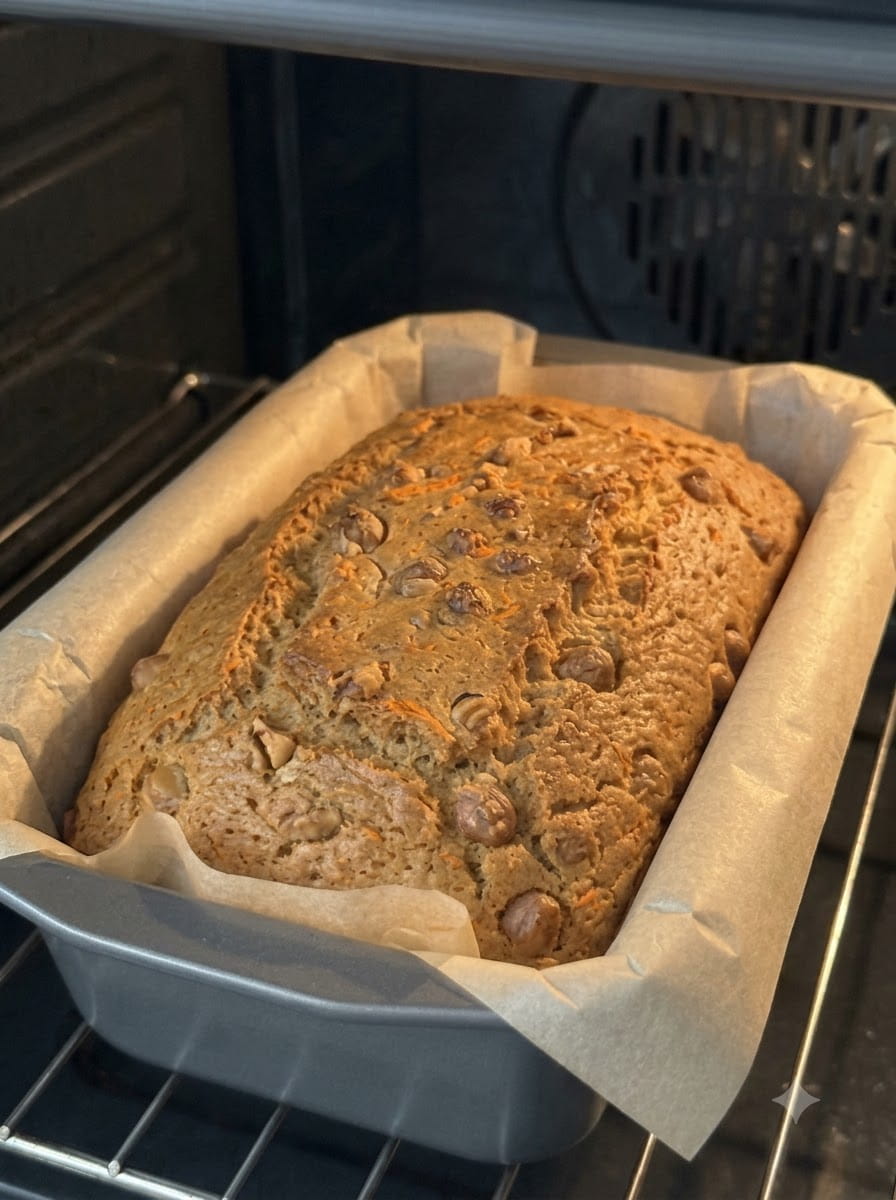
Place the loaf pan in the preheated oven.
Bake for 40–50 minutes, or until the top becomes beautifully golden brown and the center is fully baked.
Insert a toothpick into the middle of the loaf. It should come out clean or with a few moist crumbs, not wet dough.
If the top browns too quickly, loosely cover it with aluminum foil during the remaining baking time.
Step 7: Cool in the Pan
Remove the bread from the oven and allow it to cool in the pan for approximately 10 minutes.
This resting period helps the loaf settle and makes it easier to remove without breaking.
Step 8: Transfer to a Wire Rack
Carefully lift the bread out of the pan using the parchment paper.
Transfer it to a wire rack and allow it to cool before slicing.
Cooling completely helps the crumb set and prevents the slices from becoming gummy or falling apart.
Step 9: Slice and Enjoy!
Cut the loaf into slices using a sharp serrated bread knife.
Serve warm with butter, toast it with your favorite toppings, or use it to prepare delicious homemade sandwiches.
Enjoy fresh, easy homemade bread made with just three ingredients!
Tips for Making the Best Cottage Cheese Bread
Although this recipe is incredibly simple, a few small details can make a big difference in the final texture.
Blend the Cottage Cheese Thoroughly
For a smooth and consistent loaf, blend the cottage cheese until creamy. Large curds may create an uneven texture throughout the bread.
Measure the Flour Accurately
Too much flour can make the bread dry and dense. For the best results, use the specified weight of 250 grams rather than relying only on measuring cups.
Add Flour Gradually
Adding the flour in stages makes it easier to combine with the cottage cheese mixture and prevents dry pockets from forming.
Don’t Overmix the Dough
Once the flour has been incorporated, stop mixing. Excessive mixing can make the finished bread tougher.
Use Parchment Paper
Cottage cheese bread can be slightly sticky. Parchment paper makes removing the finished loaf much easier and helps prevent sticking.
Spread the Dough Evenly
Make sure the dough is distributed evenly in the loaf pan. This helps the bread bake consistently from the edges to the center.
Check the Center Before Removing
The outside may look golden before the inside is completely baked. Always check the center with a toothpick and allow extra baking time if needed.
Let the Bread Cool Before Slicing
This is one of the most important steps. The bread continues to settle as it cools, creating a better texture and cleaner slices.
What Does Cottage Cheese Bread Taste Like?
If you’ve never tried baking with cottage cheese, you might be surprised by how delicious this simple bread is.
The finished loaf has a mild, savory flavor with a tender interior and a lightly golden crust. Cottage cheese adds a subtle creamy richness, but it doesn’t overpower the bread.
The texture is different from traditional yeast bread. Instead of a chewy, airy sandwich loaf, this recipe produces a softer, more compact quick bread.
It’s particularly delicious when toasted because the outside becomes lightly crisp while the center stays tender.
You can enjoy it plain, with butter, or with sweet and savory toppings depending on your preference.
How to Make Cottage Cheese Bread Even More Flavorful
The original recipe uses just three ingredients, but there are plenty of ways to experiment once you’ve mastered the basic version.
Here are some delicious variations.
1. Garlic Herb Cottage Cheese Bread
Add garlic powder, dried oregano, and dried parsley to the dough for a savory loaf that pairs beautifully with soups and pasta dishes.
2. Cheddar Cottage Cheese Bread
Fold shredded cheddar cheese into the dough for a richer flavor and delicious cheesy bites throughout the loaf.
3. Parmesan Herb Bread
Add grated Parmesan cheese, Italian seasoning, and a little garlic powder for a flavorful homemade bread inspired by Italian bakery-style loaves.
4. Rosemary Cottage Cheese Bread
Mix finely chopped fresh rosemary into the dough. Its fragrant flavor pairs beautifully with the mild cottage cheese.
5. Everything Bagel Cottage Cheese Bread
Add everything bagel seasoning to the top before baking for a delicious savory crust.
6. Spicy Cottage Cheese Bread
Add a pinch of cayenne pepper, crushed red pepper flakes, or finely chopped jalapeños for a little heat.
7. Seeded Cottage Cheese Bread
Sprinkle sesame seeds, sunflower seeds, or pumpkin seeds over the top before baking for additional texture.
8. Mozzarella Cottage Cheese Bread
Fold a small amount of shredded mozzarella into the dough for a softer, cheesy variation.
Remember that these additions change the original three-ingredient recipe and may slightly affect the moisture and baking time.
What to Serve With High-Protein Cottage Cheese Bread
This homemade loaf is incredibly versatile. It works with both breakfast foods and savory meals.
Here are some delicious ways to enjoy it.
1. Butter and Fresh Herbs
Spread softened butter over a warm slice and sprinkle with fresh parsley or chives.
2. Scrambled Eggs
Toast a slice and serve it with scrambled eggs for a satisfying breakfast.
3. Avocado Toast
Top toasted cottage cheese bread with mashed avocado, black pepper, and a squeeze of fresh lemon juice.
4. Cream Cheese
Spread a little cream cheese over a slice for a smooth, creamy topping.
5. Tomato and Mozzarella
Add fresh tomato slices, mozzarella, basil, and a drizzle of olive oil for a delicious savory toast.
6. Homemade Sandwiches
Use the bread for turkey, chicken, cheese, or vegetable sandwiches.
7. Soups and Stews
Serve alongside tomato soup, vegetable soup, chicken soup, or hearty homemade stews.
8. Grilled Cheese
Use two slices to make a delicious grilled cheese sandwich. The bread becomes golden and crisp when toasted in a skillet.
9. Hummus and Vegetables
Spread hummus over toasted slices and add cucumber, tomatoes, and fresh herbs.
10. Smoked Salmon
Top a slice with cream cheese, smoked salmon, cucumber, and dill for an elegant breakfast or lunch.
Is Cottage Cheese Bread Really High in Protein?
Cottage cheese bread can be a protein-rich alternative to many traditional homemade quick breads because two of its three main ingredients naturally contain protein.
Cottage cheese provides a substantial amount of protein, while eggs contribute additional protein and help bind the loaf together.
Self-rising flour also contributes some protein, although the amount varies depending on the brand.
The final nutritional values depend on the type of cottage cheese, flour, egg size, loaf dimensions, and number of slices.
For accurate nutrition information, calculate the protein content using the specific products you use and divide the total by the number of slices.
It’s important to remember that the recipe is not automatically low-carbohydrate or gluten-free. Self-rising flour is wheat-based and contributes carbohydrates.
How to Store Cottage Cheese Bread
Because this recipe contains cottage cheese and eggs, proper storage is especially important.
Room Temperature
Unlike some traditional breads, this moisture-rich cottage cheese loaf should not be left at room temperature for extended periods.
Allow it to cool, then refrigerate within 2 hours of baking.
Refrigerator Storage
Place the completely cooled bread in an airtight food-safe container or wrap it securely.
Store in the refrigerator at 40°F (4°C) or below and enjoy within 3–4 days.
For the best texture, toast individual slices before serving.
Freezer Storage
This bread can also be frozen for convenient future meals.
Follow these steps:
- Allow the loaf to cool completely.
- Slice it into individual portions.
- Place parchment paper between slices to prevent sticking.
- Transfer the slices to a freezer-safe bag or airtight container.
- Label with the date and freeze for approximately 2–3 months for best quality.
How to Reheat Frozen Cottage Cheese Bread
Remove the desired number of slices from the freezer.
You can thaw them in the refrigerator or toast them directly from frozen, adjusting the toasting time as necessary.
A toaster oven is also a great option for warming the slices while creating a lightly crisp exterior.
Frequently Asked Questions (FAQs)
1. Can I really make bread with only three ingredients?
Yes! This recipe uses cottage cheese, eggs, and self-rising flour. Each ingredient plays an important role in creating the loaf’s structure, moisture, and texture.
2. Do I need yeast to make cottage cheese bread?
No. This recipe uses self-rising flour, which already contains leavening ingredients. There is no need to activate yeast, knead dough, or wait for the bread to rise.
3. Can I use regular all-purpose flour instead of self-rising flour?
Yes, but regular all-purpose flour does not contain the leavening ingredients found in self-rising flour. You will need to add an appropriate amount of baking powder and salt to create a suitable substitute.
4. Do I need to blend the cottage cheese?
Blending is strongly recommended. It creates a smooth mixture that distributes more evenly throughout the dough and helps produce a more consistent crumb.
5. Can I use low-fat cottage cheese?
Yes. Both full-fat and low-fat cottage cheese can work. The fat content may slightly affect the richness and texture of the finished bread.
6. Why is my cottage cheese bread dense?
A dense loaf may result from adding too much flour, overmixing the dough, using expired self-rising flour, or not baking the bread thoroughly.
Measure the ingredients carefully and mix only until combined.
7. Why is the dough so sticky?
This dough is naturally thicker and stickier than traditional bread dough because of the cottage cheese and eggs. Avoid adding large amounts of extra flour, as this can make the loaf dry.
8. Can I make this bread without a blender?
Yes. You can use a food processor or immersion blender to smooth the cottage cheese and eggs. If you don’t have these tools, whisk thoroughly, although the final texture may be less uniform.
9. Can I add shredded cheese?
Absolutely! Cheddar, Parmesan, or mozzarella can create delicious variations. Keep in mind that extra ingredients may change the texture and moisture balance.
10. Can I make cottage cheese bread in an air fryer?
You can experiment with a small loaf in an air-fryer-safe baking pan. Temperature and cooking time will vary depending on the appliance and pan size. Check the center carefully to ensure the bread is fully baked.
11. Can I use this bread for sandwiches?
Yes! Once completely cooled, slice it and use it for cheese sandwiches, turkey sandwiches, chicken sandwiches, or vegetable sandwiches. Toasting can help improve its structure.
12. Why does my bread crumble when sliced?
The bread may have been sliced before cooling completely, or the loaf may have been too dry from excess flour or overbaking. Allow it to cool thoroughly and use a serrated knife.
13. Can I prepare the dough ahead of time?
It’s best to mix and bake the dough immediately. Self-rising flour begins working once combined with the wet ingredients, so letting the dough sit for a long time may affect the final rise and texture.
14. How do I know when the bread is done?
The top should be golden brown, and a toothpick inserted into the center should come out clean or with a few moist crumbs. The center should be fully set rather than wet.
15. Is cottage cheese bread gluten-free?
No. The original recipe uses self-rising wheat flour, which contains gluten. A gluten-free flour blend formulated for self-rising baking would require a separately tested recipe.
16. Can I toast cottage cheese bread?
Yes! Toasting is one of the best ways to enjoy leftover slices. It creates a lightly crisp outside while keeping the inside tender.
Common Mistakes to Avoid
Even a simple three-ingredient bread recipe benefits from careful preparation.
- Not blending the cottage cheese: Large curds can create an uneven texture.
- Using too much flour: Excess flour can make the loaf dry and heavy.
- Overmixing the dough: Mixing too much can create a tougher texture.
- Using plain flour without leavening: Regular all-purpose flour needs additional leavening ingredients.
- Skipping the parchment paper: The sticky dough may be difficult to remove from the pan.
- Underbaking the center: Always check the middle of the loaf before removing it from the oven.
- Slicing while hot: Cooling helps the bread hold together.
- Storing it improperly: Because of the cottage cheese and eggs, refrigerate the bread promptly after cooling.
Why This Easy Cottage Cheese Bread Is Worth Making
Homemade bread doesn’t always need complicated ingredients, yeast, or hours of preparation.
This High-Protein 3-Ingredient Cottage Cheese Bread proves that simple baking can produce something delicious and satisfying.
The cottage cheese provides moisture and protein, the eggs help create structure, and the self-rising flour makes preparation incredibly convenient.
It’s an excellent recipe for busy mornings, beginner bakers, and anyone who wants to experiment with high-protein homemade bread.
You can enjoy it fresh from the oven, toast it for breakfast, turn it into sandwiches, or serve it alongside your favorite homemade meals.
The possibilities are endless, and once you discover how easy it is to prepare, you may find yourself making it regularly.
Final Thoughts
This High-Protein 3-Ingredient Cottage Cheese Bread is a simple, delicious way to enjoy homemade bread without yeast, kneading, or rising time.
With cottage cheese, eggs, and self-rising flour, you can create a soft, tender, savory loaf that’s perfect for breakfast, sandwiches, snacks, and everyday meals.
Its easy preparation makes it ideal for beginner bakers, while its versatility means you can enjoy it with countless toppings and savory combinations.
Bake a loaf, let it cool, slice it up, and enjoy fresh homemade goodness with just three simple ingredients!
SEO Keywords
High-Protein 3-Ingredient Cottage Cheese Bread, cottage cheese bread recipe, 3 ingredient bread, high protein bread recipe, easy homemade cottage cheese bread, no yeast bread recipe, bread without yeast, protein-rich homemade bread, cottage cheese quick bread, easy three ingredient bread, homemade protein bread, self-rising flour bread, easy breakfast bread, simple savory bread recipe.
SEO Title
High-Protein 3-Ingredient Cottage Cheese Bread – Easy No-Yeast Recipe
SEO Meta Description
Make easy High-Protein Cottage Cheese Bread with just 3 ingredients! This soft, savory homemade loaf needs no yeast, kneading, or rising time.
Suggested URL Slug
high-protein-3-ingredient-cottage-cheese-bread
Suggested Image Alt Text
Homemade high-protein three-ingredient cottage cheese bread sliced to reveal a soft, tender golden interior, served on a wooden cutting board.
Recipe Details
- Preparation Time: 10 minutes
- Baking Time: 40–50 minutes
- Cooling Time: 10 minutes in the pan, plus additional cooling
- Total Time: Approximately 1 hour
- Category: Bread, Breakfast, High-Protein Recipes
- Cuisine: American-Inspired
- Cooking Method: Baking
- Main Ingredients: Cottage cheese, self-rising flour, and eggs
- Special Features: Three ingredients, no yeast, no kneading, no rising time
- Serving Suggestions: Butter, avocado, eggs, cream cheese, sandwiches, and soups
-
Print

High-Protein 3-Ingredient Cottage Cheese Bread
Ingredients
ScaleThis recipe uses three simple ingredients that each play an important role in creating the finished loaf.
- 1½ cups (315 g) cottage cheese: Provides moisture, protein, and a creamy base for the bread. Full-fat or low-fat cottage cheese can be used.
- 2 cups (250 g) self-rising flour: Provides the structure and leavening needed to create a soft homemade loaf.
- 2 large eggs: Bind the ingredients together, contribute protein, and help the bread develop its structure.
Instructions
Step 1: Prepare the Oven and Loaf Pan
Preheat your oven to 350°F (175°C).
Line a standard loaf pan with parchment paper, leaving a little extra paper hanging over the sides. This will make it easier to remove the bread after baking.
You can lightly grease the pan before adding the parchment paper to help keep everything in place.
Step 2: Blend the Cottage Cheese and Eggs
Add the cottage cheese and eggs to a blender or food processor.
Blend until the mixture becomes smooth and creamy, with no large cottage cheese curds remaining.
This step is important because a smooth mixture helps create a more even bread texture.
Step 3: Transfer to a Mixing Bowl
Pour the blended cottage cheese and egg mixture into a large mixing bowl.
Use a spatula to scrape the sides of the blender so you don’t leave any of the mixture behind.
Step 4: Add the Self-Rising Flour
Gradually add the self-rising flour to the wet mixture.
Stir gently with a spatula or wooden spoon until the ingredients come together and form a thick, sticky dough.
Avoid overmixing. Stop once the flour is incorporated and no large dry patches remain.
The dough will be thicker and stickier than traditional sandwich bread dough. This is normal for this recipe.
Step 5: Transfer the Dough to the Loaf Pan
Spoon the dough into your prepared loaf pan.
Spread it evenly using a spatula, gently smoothing the surface.
Because the dough is thick, take a moment to distribute it evenly so the loaf bakes consistently.
Step 6: Bake Until Golden
Place the loaf pan in the preheated oven.
Bake for 40–50 minutes, or until the top becomes beautifully golden brown and the center is fully baked.
Insert a toothpick into the middle of the loaf. It should come out clean or with a few moist crumbs, not wet dough.
If the top browns too quickly, loosely cover it with aluminum foil during the remaining baking time.
Step 7: Cool in the Pan
Remove the bread from the oven and allow it to cool in the pan for approximately 10 minutes.
This resting period helps the loaf settle and makes it easier to remove without breaking.
Step 8: Transfer to a Wire Rack
Carefully lift the bread out of the pan using the parchment paper.
Transfer it to a wire rack and allow it to cool before slicing.
Cooling completely helps the crumb set and prevents the slices from becoming gummy or falling apart.
Step 9: Slice and Enjoy!
Cut the loaf into slices using a sharp serrated bread knife.
Serve warm with butter, toast it with your favorite toppings, or use it to prepare delicious homemade sandwiches.
Enjoy fresh, easy homemade bread made with just three ingredients!