
Gluten-Free Fubá Bread – Big, Cute & Super Soft
Soft, Fluffy Brazilian Cornmeal Bread Without Wheat Flour
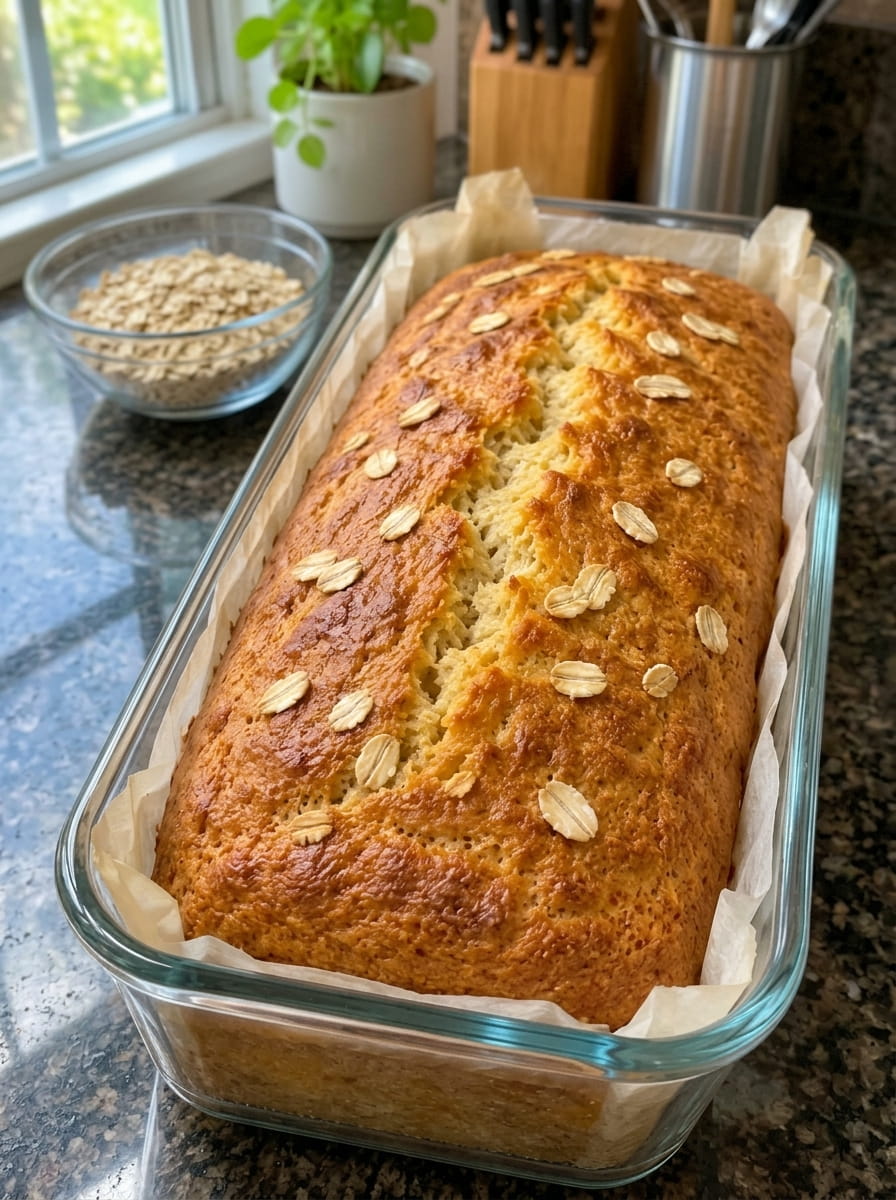
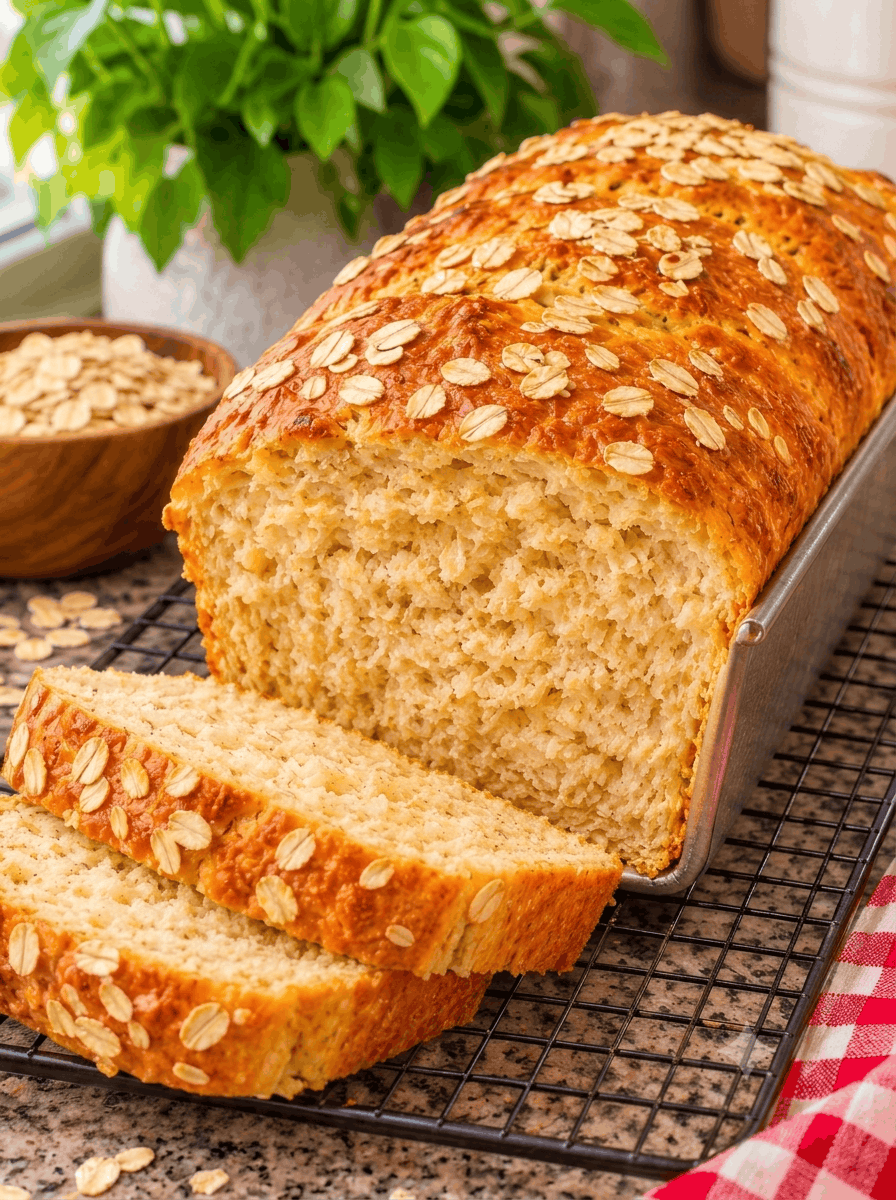
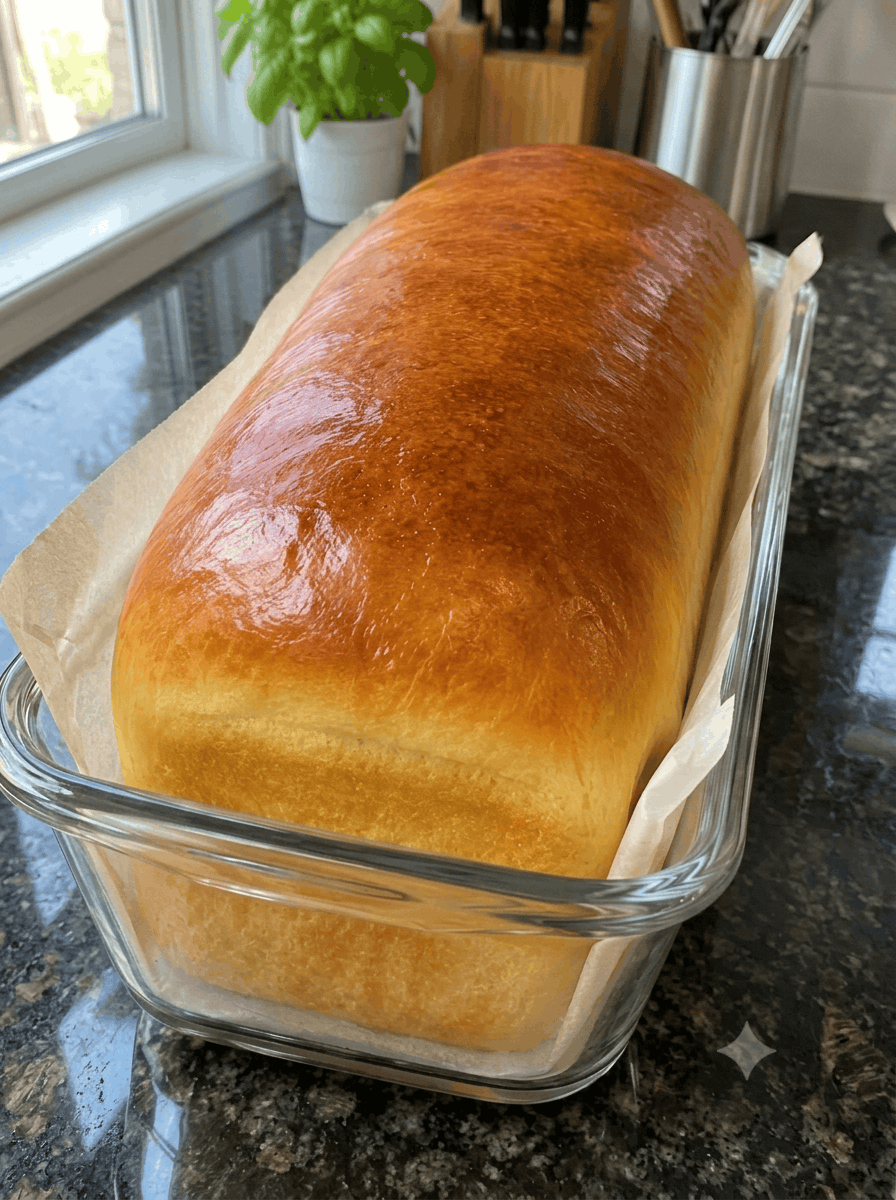
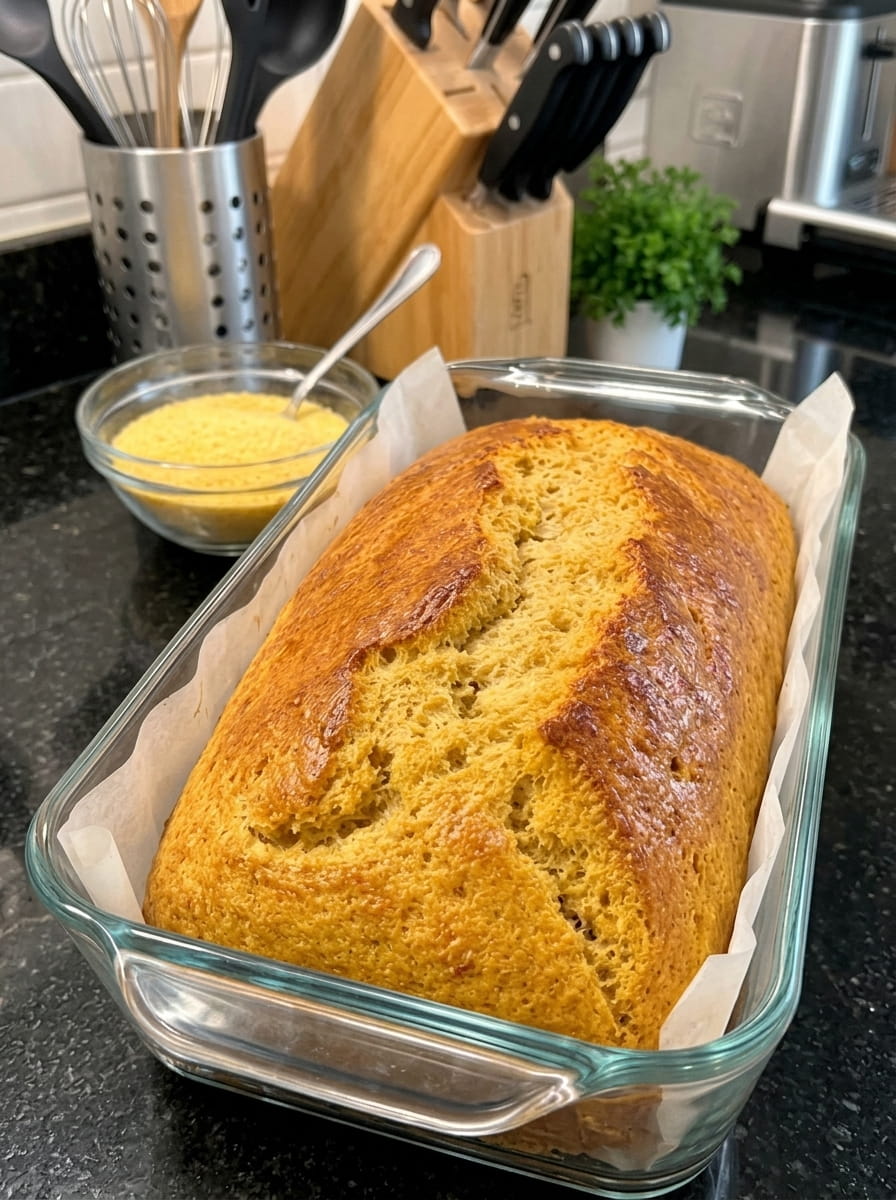
If you’re looking for a homemade bread that’s soft, fluffy, naturally gluten-free, and wonderfully easy to prepare, this Gluten-Free Fubá Bread is a recipe you’ll want to make again and again! With its beautiful golden color, delicate corn flavor, and tender, moist crumb, this homemade loaf is perfect for breakfast, afternoon coffee, or a delicious snack any time of day.
Made with simple pantry ingredients, including fine fubá (Brazilian cornmeal), tapioca starch, eggs, milk, and a little vegetable oil, this bread delivers a delightful texture without using traditional wheat flour. The combination of cornmeal and tapioca starch creates a soft, satisfying loaf with a slightly delicate crumb and a naturally sweet corn flavor.
One of the best things about this recipe is how easy it is to prepare. There is no yeast, kneading, or waiting for dough to rise. Instead, the ingredients are blended into a smooth batter, poured into a loaf pan, and baked until beautifully golden. It’s an excellent option for anyone who enjoys homemade bread but prefers a simpler baking process.
Whether you serve it warm with butter, toasted with jam, or alongside your favorite breakfast dishes, this Gluten-Free Fubá Bread is a comforting homemade treat that brings a little Brazilian-inspired flavor to your kitchen.
What Is Fubá?
Fubá is a finely ground cornmeal commonly used in Brazilian cooking and baking. It has a mild, naturally sweet corn flavor and a fine texture that makes it especially useful in cakes, breads, and traditional corn-based recipes.
In Brazil, fubá is a popular ingredient in many homemade baked goods, including bolo de fubá, a traditional cornmeal cake often enjoyed with coffee. It is also used in savory dishes and other comforting recipes.
For this bread, fine fubá provides the characteristic corn flavor and beautiful golden color. Unlike wheat flour, cornmeal does not contain gluten-forming proteins, so it needs other ingredients to help create a cohesive baked texture.
That’s where tapioca starch comes in.
Tapioca starch is made from cassava root and is widely used in gluten-free baking. It helps improve the structure and texture of baked goods, contributing to a softer, more flexible crumb.
Together, fubá and tapioca starch create a delicious alternative to traditional wheat-based bread.
Why You’ll Love This Gluten-Free Fubá Bread
There are plenty of reasons to add this easy cornmeal bread to your homemade baking collection.
1. Completely Wheat-Flour-Free
This recipe uses fubá and tapioca starch instead of wheat flour. Both ingredients are naturally gluten-free, making them useful alternatives for gluten-free baking. If you have celiac disease or need to avoid gluten strictly, make sure all ingredients are certified gluten-free and protected from cross-contamination.
2. Soft and Tender Texture
The combination of eggs, milk, oil, and tapioca starch helps produce a moist and tender crumb. The bread is soft enough to enjoy on its own and delicious when lightly toasted.
3. Simple Everyday Ingredients
You don’t need complicated specialty ingredients or expensive baking products. Most of the ingredients are easy to find in grocery stores or supermarkets.
4. No Yeast Required
Unlike traditional bread recipes, this loaf doesn’t require yeast, kneading, or proofing. Baking powder provides the lift, making preparation much faster and easier.
5. Delicious Corn Flavor
Fine fubá gives the bread a mild, sweet corn taste that pairs beautifully with butter, honey, fruit preserves, and cheese.
6. Perfect for Different Occasions
Enjoy a slice for breakfast, serve it with afternoon coffee, or prepare it as a quick snack. Its delicate flavor makes it suitable for both sweet and savory toppings.
7. Easy Blender Preparation
The wet ingredients can be blended together, followed by the dry ingredients. This simple method makes the batter easy to prepare and minimizes cleanup.
Gluten-Free Fubá Bread Ingredients
This recipe uses eight simple ingredients to create a beautiful, golden loaf with a soft interior.
1. Fine Fubá (Cornmeal)
You’ll need 1½ cups (210 g) of fine fubá.
Fubá is the main ingredient responsible for the bread’s characteristic corn flavor, golden appearance, and delicate texture.
Choose finely ground cornmeal rather than coarse polenta or very coarse corn grits. Fine cornmeal blends more easily into the batter and produces a more tender result.
2. Tapioca Starch
Use 1 cup (120 g) of tapioca starch.
Tapioca starch helps provide structure and contributes to the soft texture of gluten-free baked goods. It also helps balance the natural graininess of cornmeal.
Make sure you use tapioca starch or tapioca flour, which generally refer to the same ingredient, rather than cassava flour.
3. Eggs
You’ll need 3 large eggs.
Eggs help bind the ingredients together, add structure, and contribute to the bread’s rise. They also help create a tender interior and beautiful golden color.
For the best results, use eggs at room temperature.
4. Milk
Use 1 cup (240 ml) of milk.
Milk adds moisture and helps combine the dry ingredients into a smooth batter. It also contributes to the bread’s tender texture and mild flavor.
Regular dairy milk works well. For a dairy-free variation, an unsweetened plant-based milk may be used, although the final texture and flavor can vary.
5. Vegetable Oil
You’ll need ¼ cup (60 ml) of vegetable oil.
Oil helps keep the bread moist and soft. It also makes the crumb more tender and helps prevent the loaf from becoming dry.
Use a neutral-flavored oil such as sunflower, canola, or another mild vegetable oil.
6. Sugar
Use ¼ cup (50 g) of sugar.
Sugar adds a gentle sweetness that complements the corn flavor. It also contributes to the bread’s golden-brown appearance.
You can adjust the sweetness slightly depending on your preference, keeping in mind that changing the amount may affect the finished loaf.
7. Baking Powder
You’ll need 1 tablespoon of baking powder.
Because this recipe doesn’t use yeast, baking powder provides the leavening needed to help the batter rise in the oven.
Make sure your baking powder is fresh and gluten-free if strict gluten avoidance is necessary.
8. Salt
Use ½ teaspoon of salt.
Salt balances the sweetness and brings out the natural flavor of the cornmeal.
Complete Recipe: Gluten-Free Fubá Bread
Preparation Time: 10 minutes
Baking Time: 35–45 minutes
Cooling Time: 10–15 minutes
Total Time: Approximately 55–70 minutes
Yield: 1 loaf
Oven Temperature: 350°F (175°C)
Difficulty: Easy
Ingredients
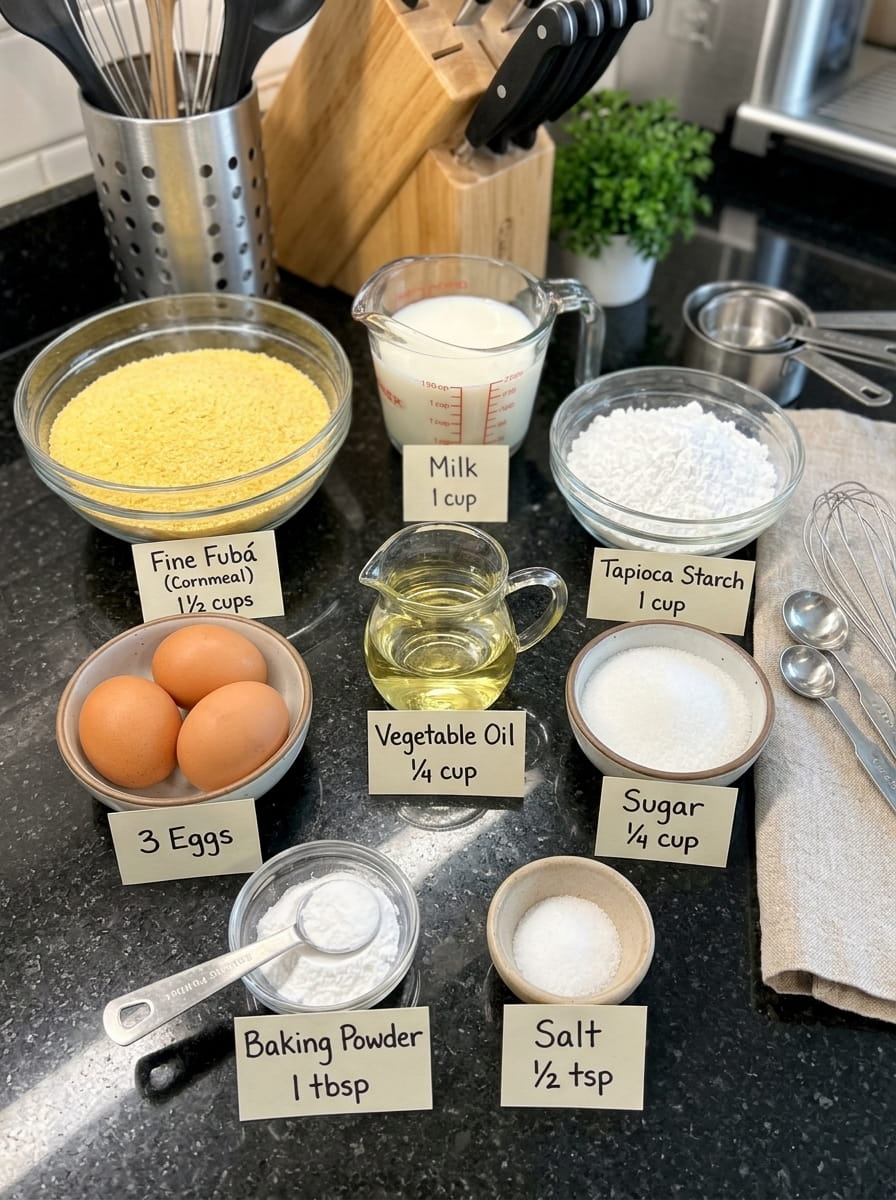
- 1½ cups (210 g) fine fubá (cornmeal)
- 1 cup (120 g) tapioca starch
- 3 large eggs
- 1 cup (240 ml) milk
- ¼ cup (60 ml) vegetable oil
- ¼ cup (50 g) sugar
- 1 tablespoon baking powder
- ½ teaspoon salt
Instructions
Step 1: Prepare the Oven and Loaf Pan
Preheat your oven to 350°F (175°C).
Grease a loaf pan thoroughly with a little vegetable oil or butter. You can also line the pan with parchment paper to make removing the finished bread easier.
Preparing the pan before mixing the batter helps make the baking process smoother.
Step 2: Blend the Wet Ingredients
Add the eggs, milk, vegetable oil, and sugar to a blender.
Blend until the mixture becomes smooth and uniform. This usually takes around 30–45 seconds, depending on your blender.
Blending these ingredients first helps distribute the sugar and creates a consistent liquid base for the batter.
Step 3: Add the Fubá and Tapioca Starch
Add the fine fubá, tapioca starch, and salt to the blender.
Blend again until everything is well combined and the batter looks smooth.
Stop occasionally to scrape down the sides of the blender if necessary. Make sure there are no large pockets of dry cornmeal or tapioca starch.
The batter should be pourable and relatively thick.
Step 4: Add the Baking Powder
Add the baking powder and mix gently until incorporated.
Avoid overmixing after adding the baking powder. You want to distribute it evenly without unnecessarily working the batter.
This step helps prepare the batter for baking and gives the bread its light texture.
Step 5: Pour the Batter Into the Pan
Pour the prepared batter into the greased loaf pan.
Use a spatula to scrape the remaining batter from the blender and spread the top evenly.
Give the pan a gentle shake to help distribute the batter.
Step 6: Bake Until Golden
Place the loaf pan in the preheated oven.
Bake for approximately 35–45 minutes, or until the top is beautifully golden and a toothpick inserted into the center comes out clean.
Baking times can vary depending on the size and material of your loaf pan and the characteristics of your oven.
If the top becomes golden too quickly, check the bread carefully and continue baking until the center is fully set.
Step 7: Allow the Bread to Cool
Remove the loaf from the oven and let it rest in the pan for 10–15 minutes.
This cooling period helps the bread settle and makes it easier to remove without breaking.
Carefully transfer it to a wire rack if desired and allow it to cool further before slicing.
Step 8: Slice and Enjoy!
Once the bread has cooled sufficiently, cut it into slices using a sharp serrated knife.
The inside should be tender and moist, with a delicate corn flavor and a beautiful golden appearance.
Serve warm with butter, cream cheese, honey, or your favorite fruit jam.
Enjoy your homemade Gluten-Free Fubá Bread!
Tips for Making the Best Gluten-Free Fubá Bread
Gluten-free baking can sometimes require a little extra attention because the ingredients behave differently from traditional wheat flour. Fortunately, this recipe is straightforward, and a few simple practices can help you achieve a delicious loaf.
Use Fine Cornmeal
The texture of your fubá makes a difference. Fine cornmeal creates a smoother batter and a more delicate crumb. Coarse cornmeal can make the bread feel grainier.
Measure Ingredients Accurately
For consistent results, use a kitchen scale whenever possible. Gluten-free baking depends on the balance of dry and wet ingredients, so accurate measurements are important.
Use Room-Temperature Eggs and Milk
Room-temperature ingredients blend more evenly and help create a uniform batter.
Don’t Skip the Baking Powder
Baking powder is essential because the recipe doesn’t contain yeast. Check the expiration date before using it.
Avoid Overmixing After Adding Baking Powder
Once the baking powder is added, mix just until incorporated. This helps preserve its leavening action.
Check the Center Before Removing the Bread
A golden top doesn’t always mean the center is fully baked. Insert a toothpick into the middle of the loaf. If it comes out with wet batter, continue baking and check again after a few minutes.
Let the Bread Rest Before Slicing
Gluten-free bread can be more delicate while hot. Allowing it to cool helps the crumb become more stable and easier to slice.
Choose the Right Loaf Pan
A standard loaf pan works well, but the exact baking time depends on its dimensions and material. Avoid using a pan that’s too small, as the batter needs enough room to rise.
What Makes This Bread So Soft?
The soft texture of this Gluten-Free Fubá Bread comes from the combination of several ingredients working together.
First, the eggs provide binding and structure. They help the batter hold together as it bakes.
Second, milk adds moisture and creates a tender interior. Without enough liquid, cornmeal-based baked goods can become dry or crumbly.
Third, vegetable oil contributes to moisture retention and helps keep the crumb soft after baking.
Finally, tapioca starch helps improve the structure and texture of the loaf. Since cornmeal doesn’t contain gluten, tapioca starch plays an important role in making the finished bread more cohesive.
The result is a homemade loaf with a tender texture, mild corn flavor, and a satisfying golden crust.
How to Serve Gluten-Free Fubá Bread
One of the best things about this bread is its versatility. Its slightly sweet corn flavor pairs well with many different toppings and meals.
Here are some delicious ways to enjoy it.
With Butter
A warm slice with a little butter is a simple and delicious choice. The butter melts into the soft crumb, creating a comforting breakfast or afternoon snack.
With Honey
Drizzle honey over a slice for a naturally sweet combination. The floral sweetness complements the mild corn flavor beautifully.
With Fruit Jam
Strawberry, raspberry, blueberry, or orange jam adds a fruity contrast to the bread’s delicate flavor.
With Cream Cheese
Spread cream cheese over a slice for a creamy, slightly tangy topping. This combination works especially well for breakfast.
With Cheese
Serve the bread alongside sliced cheddar, mozzarella, or another favorite cheese. The combination of mild corn flavor and savory cheese is especially satisfying.
Toasted With Coffee
Lightly toast a slice and serve it with a cup of coffee. This is a wonderful way to enjoy the bread as part of an afternoon break.
With Eggs
Pair a slice with scrambled eggs or a fried egg for a more substantial breakfast.
Gluten-Free Fubá Bread Variations
Once you’ve tried the original recipe, you can experiment with different flavors and toppings while keeping the basic preparation method.
1. Cheesy Gluten-Free Fubá Bread
For a savory variation, add shredded cheese to the batter. Cheddar, Parmesan, or mozzarella can bring extra richness and flavor.
Cheese changes the moisture and fat balance, so the finished texture may differ slightly from the original loaf.
2. Sweet Fubá Bread
If you enjoy sweeter homemade breads, you can increase the sugar slightly or add a little vanilla extract.
This variation pairs beautifully with coffee, tea, or a fruit preserve.
3. Fubá Bread With Parmesan
Parmesan cheese adds a savory, slightly salty flavor that complements the natural sweetness of cornmeal.
Serve this version alongside soups, eggs, or savory breakfast dishes.
4. Coconut Fubá Bread
A small amount of unsweetened shredded coconut can add texture and a subtle coconut flavor.
Because additional dry ingredients can affect moisture, introduce changes gradually.
5. Dairy-Free Fubá Bread
You can experiment with unsweetened almond milk, soy milk, or another neutral plant-based milk instead of dairy milk.
The flavor and texture may vary depending on the milk you choose.
For a fully dairy-free recipe, also check that your other ingredients and toppings contain no dairy.
6. Cinnamon Fubá Bread
A little ground cinnamon can add a warm, comforting flavor.
This variation is particularly delicious served with butter or fruit jam.
Ingredient Substitutions
Sometimes you may need to adapt a recipe based on the ingredients available in your kitchen.
Here are some possible substitutions to consider.
Fubá: Fine, finely ground cornmeal is the best choice for this recipe. Different brands and grinds can absorb liquid differently, so avoid making a direct substitution with coarse polenta without testing the recipe.
Tapioca Starch: Tapioca starch is important for the loaf’s texture. Arrowroot starch or cornstarch may produce a different result and are not guaranteed to work in the same proportions.
Milk: Unsweetened almond milk or soy milk can be tested as alternatives. Choose a neutral variety without added flavors.
Vegetable Oil: Sunflower oil, canola oil, and other neutral oils can be used.
Sugar: You can experiment with a different granulated sweetener, but substitutions may change the flavor, moisture, and browning.
Eggs: Eggs provide important structure and binding. Replacing them requires a separately tested egg-free formula; simply omitting them is not recommended.
Is Fubá Bread Gluten-Free?
Fubá, which is finely ground cornmeal, is naturally gluten-free. Tapioca starch is also naturally gluten-free because it comes from cassava root.
This makes the two ingredients useful in gluten-free baking.
However, the finished bread is only suitable for someone who must avoid gluten if all ingredients are gluten-free and there is no cross-contact during preparation, storage, or baking.
If you have celiac disease or a medically diagnosed gluten sensitivity, choose certified gluten-free cornmeal, tapioca starch, baking powder, and other packaged ingredients.
Also make sure your blender, mixing utensils, loaf pan, countertops, and storage containers are free from wheat flour residue.
How to Store Gluten-Free Fubá Bread
Proper storage helps maintain the bread’s flavor and texture.
At Room Temperature
Allow the bread to cool completely before storing it. Place it in an airtight container or wrap it securely.
Store at room temperature for approximately 1–2 days, depending on your kitchen temperature and humidity.
Because this bread contains eggs and milk, refrigerate it for longer storage rather than leaving it at room temperature for extended periods.
In the Refrigerator
Place the cooled bread in an airtight container or sealed food-storage bag.
Refrigerate for approximately 4–5 days. Gluten-free bread can firm up in the refrigerator, so lightly warming or toasting slices before serving can improve the texture.
In the Freezer
Freezing is a convenient way to preserve leftover bread.
Allow the loaf to cool completely, then slice it into individual portions.
Separate the slices with parchment paper and place them in a freezer-safe bag or airtight container.
Freeze for approximately 2–3 months for best quality.
When you’re ready to enjoy a slice, thaw it at room temperature or warm it directly in a toaster if the slices are thin enough.
How to Reheat Gluten-Free Fubá Bread
There are several easy ways to warm leftover slices.
Toaster: Place a slice in the toaster until lightly golden and warm.
Oven: Preheat the oven to approximately 300°F (150°C). Wrap the slices loosely in foil and warm briefly until heated through.
Skillet: Place a slice in a lightly greased skillet over low heat. Warm both sides until soft and lightly toasted.
Microwave: Heat a slice for a few seconds at a time. Avoid overheating, as gluten-free bread can become rubbery or dry.
Common Mistakes to Avoid
Even easy gluten-free recipes can be affected by small preparation mistakes.
Using Coarse Cornmeal
Coarse cornmeal can create a gritty texture. Fine fubá is recommended for the softest result.
Adding Too Much Dry Ingredient
Extra cornmeal or tapioca starch can make the batter too thick and produce a dense loaf. Measure carefully.
Using Old Baking Powder
Expired or inactive baking powder may prevent the bread from rising properly.
Opening the Oven Too Early
Opening the oven repeatedly during the early baking stage can affect the loaf’s rise and baking consistency.
Removing the Bread Too Soon
The center needs enough time to bake completely. Always test with a toothpick before removing the loaf.
Cutting While Extremely Hot
Slicing immediately after baking can cause the delicate crumb to break apart. Allow the loaf to rest and cool before cutting.
Frequently Asked Questions
1. Is Gluten-Free Fubá Bread Completely Wheat-Free?
Yes. This recipe uses fine cornmeal and tapioca starch instead of wheat flour. Check all packaged ingredients for gluten-containing additives or cross-contact warnings if strict avoidance is required.
2. What Is the Difference Between Fubá and Regular Cornmeal?
Fubá is Brazilian finely ground cornmeal. It is generally similar to fine cornmeal sold in other countries, although grinding and texture can vary between brands.
For this recipe, choose a fine grind to achieve a softer crumb.
3. Can I Make This Bread Without Tapioca Starch?
Tapioca starch contributes to the texture and structure of the loaf. You can experiment with other starches, such as arrowroot or cornstarch, but the results may be different.
For the most reliable result, follow the original measurements.
4. Does This Recipe Contain Yeast?
No. This recipe uses baking powder instead of yeast, so there is no kneading, proofing, or rising time before baking.
5. Can I Make the Batter Without a Blender?
Yes. You can use a large mixing bowl and a whisk.
First whisk the eggs, milk, oil, and sugar until combined. Gradually add the fubá, tapioca starch, and salt. Mix until smooth, then gently incorporate the baking powder.
A blender simply makes the process quicker.
6. Why Is My Gluten-Free Cornmeal Bread Crumbly?
A crumbly texture can result from incorrect ingredient measurements, insufficient moisture, coarse cornmeal, or slicing before the bread has cooled.
Make sure to use the specified amounts and allow the loaf to rest before cutting.
7. Why Is My Bread Dense?
A dense loaf may be caused by inactive baking powder, inaccurate measurements, or an oven temperature that is too low.
Make sure your oven is fully preheated and your baking powder is fresh.
8. How Do I Know When the Bread Is Done?
The top should look golden, and a toothpick inserted into the center should come out clean or with a few dry crumbs.
If wet batter remains on the toothpick, continue baking.
9. Can I Reduce the Sugar?
Yes, you can experiment with reducing the sugar if you prefer a less sweet bread.
Keep in mind that sugar also influences browning and moisture, so the final loaf may have a slightly different texture and appearance.
10. Can I Make This Recipe Dairy-Free?
You can try replacing regular milk with unsweetened almond milk or soy milk.
Choose an unflavored variety and remember that different milk alternatives can change the final texture.
11. Can I Freeze Gluten-Free Fubá Bread?
Yes. Slice the completely cooled loaf, separate the slices with parchment paper, and freeze them in an airtight container or freezer bag for approximately 2–3 months.
12. What Should I Serve With Fubá Bread?
It tastes wonderful with butter, honey, fruit jam, cream cheese, or cheese. It is also delicious alongside scrambled eggs and a hot cup of coffee.
13. Can I Use This Recipe to Make Muffins?
The batter can be tested in greased muffin cups, but the baking time will be shorter. Begin checking for doneness earlier than you would for a full loaf.
The final texture may differ slightly because of the smaller baking portions.
14. Is Fubá Bread Sweet or Savory?
This particular recipe has a mildly sweet flavor because it contains ¼ cup of sugar. However, its corn flavor also pairs beautifully with savory toppings such as cheese and butter.
15. Can I Use Coarse Polenta Instead of Fine Fubá?
Fine fubá is strongly recommended. Coarse polenta absorbs moisture differently and may produce a grainier, heavier bread.
Final Thoughts
This Gluten-Free Fubá Bread – Big, Cute & Super Soft is a wonderful addition to any homemade baking collection. With its beautiful golden color, delicate corn flavor, and tender texture, it offers a simple and delicious alternative to traditional wheat-based bread.
The combination of fine fubá and tapioca starch creates a satisfying loaf, while eggs, milk, and vegetable oil help keep the crumb moist and tender. Best of all, the preparation is incredibly easy. Simply blend the ingredients, pour the batter into a loaf pan, and bake until golden.
Enjoy a warm slice with butter for breakfast, serve it with your afternoon coffee, or toast it with your favorite jam for a comforting snack.
If you love easy homemade gluten-free baking, this soft Brazilian-inspired cornmeal bread is definitely worth trying!
Recipe Card
Gluten-Free Fubá Bread – Big, Cute & Super Soft
Description: A soft, fluffy, and beautifully golden homemade cornmeal bread made with fine fubá and tapioca starch. This easy wheat-flour-free recipe has a delicate corn flavor, a tender moist crumb, and a lightly sweet taste. Perfect for breakfast, afternoon coffee, or serving warm with butter.
Prep Time: 10 minutes
Cook Time: 35–45 minutes
Cooling Time: 10–15 minutes
Total Time: 55–70 minutes
Yield: 1 loaf
Oven Temperature: 350°F (175°C)
Ingredients:
- 1½ cups (210 g) fine fubá (cornmeal)
- 1 cup (120 g) tapioca starch
- 3 large eggs
- 1 cup (240 ml) milk
- ¼ cup (60 ml) vegetable oil
- ¼ cup (50 g) sugar
- 1 tablespoon baking powder
- ½ teaspoon salt
Instructions:
- Preheat the oven to 350°F (175°C). Grease a loaf pan.
- Blend the eggs, milk, vegetable oil, and sugar until smooth.
- Add the fubá, tapioca starch, and salt. Blend until combined.
- Add the baking powder and mix gently.
- Pour the batter into the prepared loaf pan.
- Bake for 35–45 minutes, until golden and a toothpick inserted into the center comes out clean.
- Let cool for 10–15 minutes before removing from the pan.
- Slice and enjoy warm with butter, honey, or your favorite topping.
Storage: Store in an airtight container in the refrigerator for approximately 4–5 days, or freeze sliced portions for 2–3 months.
Print
Gluten-Free Fubá Bread
Ingredients
- 1½ cups (210 g) fine fubá (cornmeal)
- 1 cup (120 g) tapioca starch
- 3 large eggs
- 1 cup (240 ml) milk
- ¼ cup (60 ml) vegetable oil
- ¼ cup (50 g) sugar
- 1 tablespoon baking powder
- ½ teaspoon salt
Instructions
Step 1: Prepare the Oven and Loaf Pan
Preheat your oven to 350°F (175°C).
Grease a loaf pan thoroughly with a little vegetable oil or butter. You can also line the pan with parchment paper to make removing the finished bread easier.
Preparing the pan before mixing the batter helps make the baking process smoother.
Step 2: Blend the Wet Ingredients
Add the eggs, milk, vegetable oil, and sugar to a blender.
Blend until the mixture becomes smooth and uniform. This usually takes around 30–45 seconds, depending on your blender.
Blending these ingredients first helps distribute the sugar and creates a consistent liquid base for the batter.
Step 3: Add the Fubá and Tapioca Starch
Add the fine fubá, tapioca starch, and salt to the blender.
Blend again until everything is well combined and the batter looks smooth.
Stop occasionally to scrape down the sides of the blender if necessary. Make sure there are no large pockets of dry cornmeal or tapioca starch.
The batter should be pourable and relatively thick.
Step 4: Add the Baking Powder
Add the baking powder and mix gently until incorporated.
Avoid overmixing after adding the baking powder. You want to distribute it evenly without unnecessarily working the batter.
This step helps prepare the batter for baking and gives the bread its light texture.
Step 5: Pour the Batter Into the Pan
Pour the prepared batter into the greased loaf pan.
Use a spatula to scrape the remaining batter from the blender and spread the top evenly.
Give the pan a gentle shake to help distribute the batter.
Step 6: Bake Until Golden
Place the loaf pan in the preheated oven.
Bake for approximately 35–45 minutes, or until the top is beautifully golden and a toothpick inserted into the center comes out clean.
Baking times can vary depending on the size and material of your loaf pan and the characteristics of your oven.
If the top becomes golden too quickly, check the bread carefully and continue baking until the center is fully set.
Step 7: Allow the Bread to Cool
Remove the loaf from the oven and let it rest in the pan for 10–15 minutes.
This cooling period helps the bread settle and makes it easier to remove without breaking.
Carefully transfer it to a wire rack if desired and allow it to cool further before slicing.
Step 8: Slice and Enjoy!
Once the bread has cooled sufficiently, cut it into slices using a sharp serrated knife.
The inside should be tender and moist, with a delicate corn flavor and a beautiful golden appearance.
Serve warm with butter, cream cheese, honey, or your favorite fruit jam.
Enjoy your homemade Gluten-Free Fubá Bread!