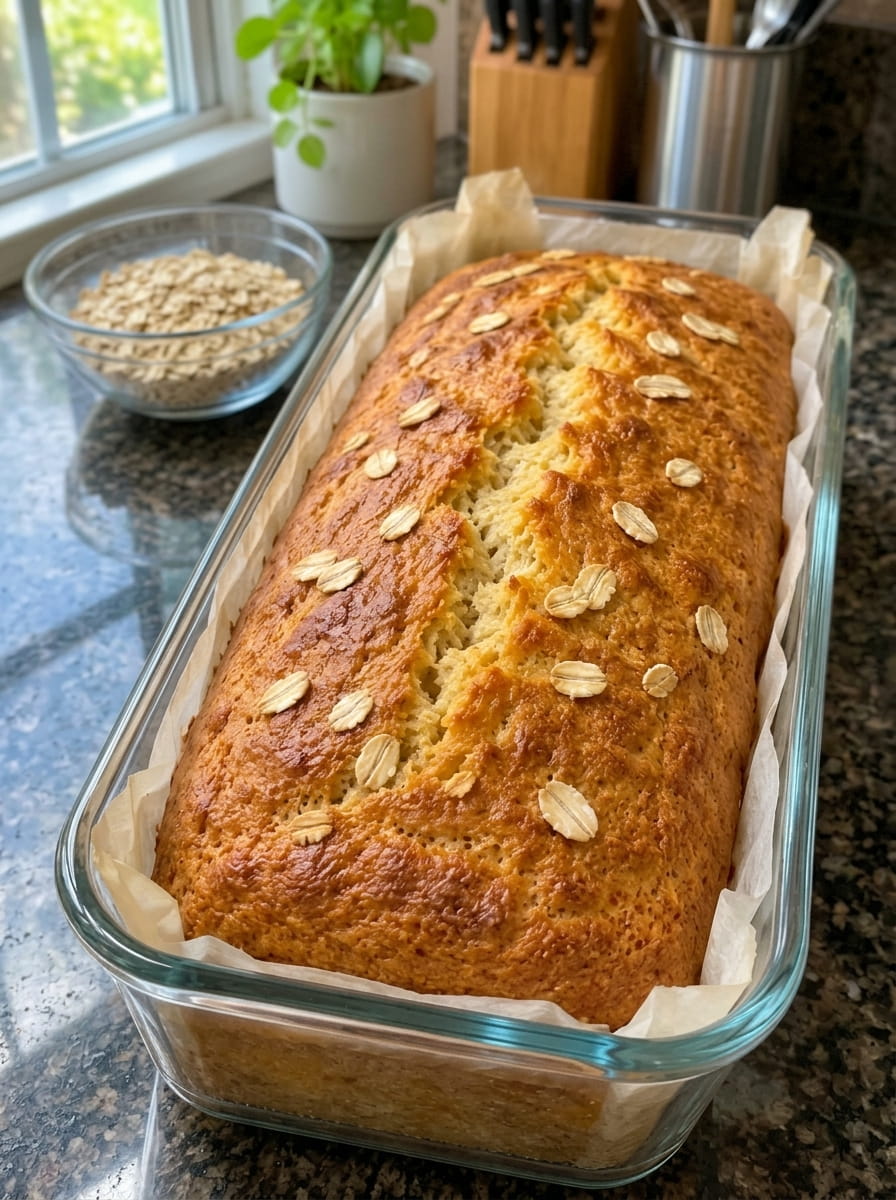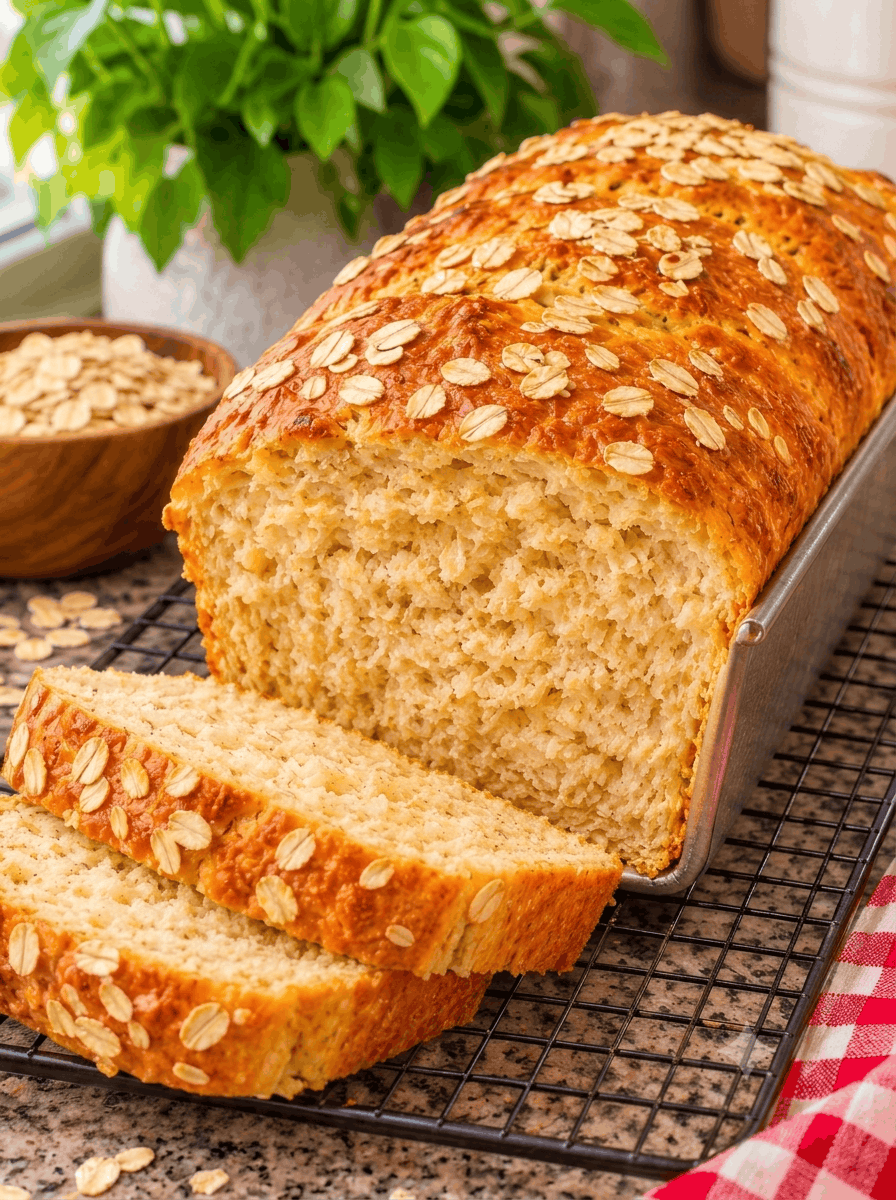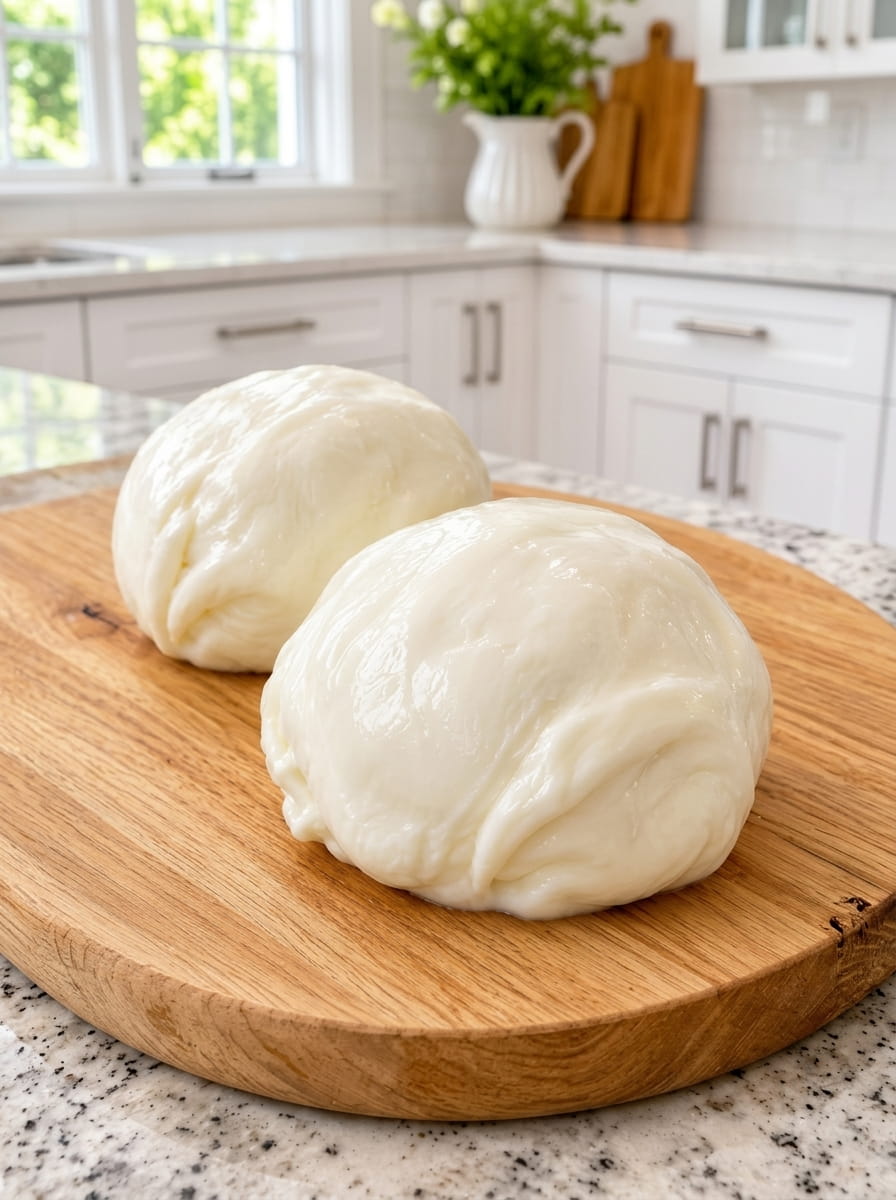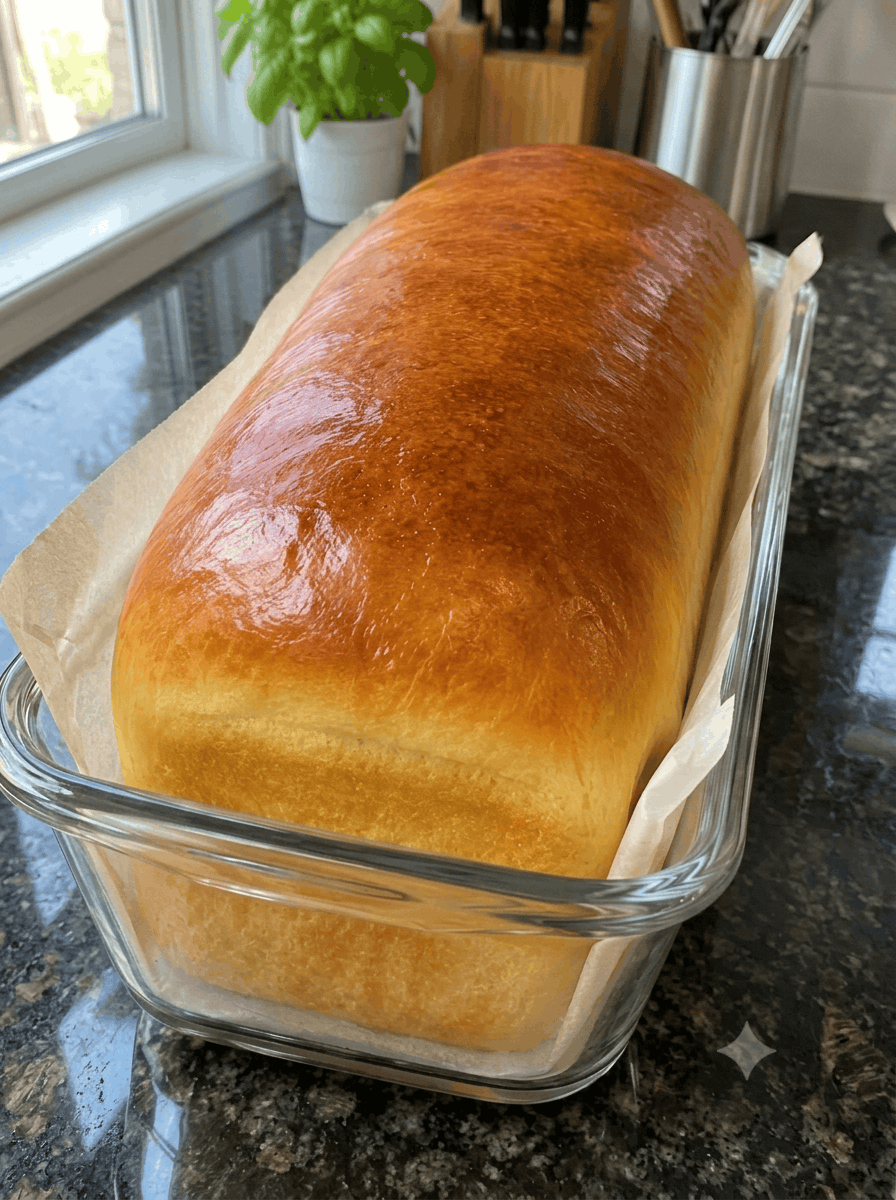


High-Protein Cottage Cheese Dill Bagel Bread – Soft, Cheesy, and Savory
If you love homemade bread with a soft texture, savory flavor, and a delicious cheesy finish, this High-Protein Cottage Cheese Dill Bagel Bread is a recipe worth adding to your baking collection. Made with creamy cottage cheese, eggs, fresh dill, mozzarella cheese, and simple pantry ingredients, this easy loaf brings together the comforting flavor of homemade bread and the irresistible taste of a savory bagel.
Unlike traditional bagels, which require kneading, shaping, boiling, and proofing, this cottage cheese bagel bread is much simpler to prepare. The ingredients are blended and mixed into a thick batter, transferred to a loaf pan, and baked until the top turns golden and the center is set. Fresh dill adds a bright herbal flavor, garlic powder provides a savory note, and melted mozzarella creates a delicious cheesy texture throughout the loaf.
This bread is perfect for breakfast, lunch, or an afternoon snack. Enjoy a slice fresh from the oven, toast it with a little butter, or use it to make a satisfying sandwich with turkey, tomatoes, and lettuce. It also pairs beautifully with scrambled eggs, smoked salmon, avocado, and cream cheese.
Cottage cheese has become a popular ingredient in high-protein recipes because it contributes protein, moisture, and a creamy texture. Combined with eggs and mozzarella, it helps make this bread a filling option for people looking to add more protein to their meals.
Whether you enjoy savory breakfast breads, easy cottage cheese recipes, or homemade alternatives to traditional bagels, this High-Protein Cottage Cheese Dill Bagel Bread offers plenty of flavor without complicated baking techniques.
Why You Will Love This Cottage Cheese Dill Bagel Bread
There are many reasons to try this homemade savory loaf. It uses familiar ingredients, requires minimal preparation, and offers a flexible base for different toppings and meals.
1. Made with Protein-Rich Ingredients
Cottage cheese, eggs, and mozzarella all contribute protein to the recipe. Protein is an essential nutrient that supports muscle maintenance and many other functions in the body.
The amount of protein in each slice depends on the brands of ingredients you use and how many slices you cut. For a more substantial meal, serve the bread with eggs, smoked salmon, turkey, or another protein-rich topping.
2. Delicious Savory Bagel Flavor
Fresh dill, garlic powder, salt, black pepper, and mozzarella give this bread a savory flavor inspired by seasoned bagels.
The dill provides a fresh herbal note, while garlic powder adds depth without requiring fresh garlic. Mozzarella melts into the batter and contributes a mild cheesy taste that complements the cottage cheese.
Sesame seeds sprinkled over the top provide a familiar bagel-style finish and a subtle nutty crunch.
3. Easier Than Traditional Bagels
Traditional bagels require dough preparation, kneading, shaping, boiling, and baking. This recipe skips those more involved steps.
Instead, cottage cheese and eggs are blended together, mixed with the dry ingredients, and baked in a loaf pan. It is a practical option when you want the flavor of savory bagel-inspired bread without spending hours making individual bagels.
The texture will be different from a traditional chewy bagel, but the loaf is delicious in its own right.
4. Soft, Moist, and Cheesy
Cottage cheese contributes moisture, while eggs help bind the ingredients together. Mozzarella adds a tender, cheesy texture.
The result is a soft, savory loaf that can be enjoyed warm or toasted. Allowing the bread to cool fully helps the interior set, making it easier to cut neat slices.
5. Versatile for Breakfast and Lunch
This loaf can be served in many ways. Pair it with eggs and avocado for breakfast, use it as the base for an open-faced sandwich, or serve it alongside soup or salad.
Its mild cheesy flavor also makes it suitable for simple toppings such as butter, cream cheese, or fresh herbs.
6. Beginner-Friendly Baking
You do not need special bread-making equipment or advanced baking skills. A blender or food processor, a mixing bowl, and a small loaf pan are enough to prepare the recipe.
The most important steps are measuring accurately, mixing the batter evenly, baking until the center is set, and allowing the loaf to cool before slicing.
Ingredients for High-Protein Cottage Cheese Dill Bagel Bread
Each ingredient plays an important role in the bread’s flavor, texture, and structure. For consistent results, use the measurements below.
Cottage Cheese – 1 Cup, or 225 Grams
Cottage cheese is the main ingredient that gives this bread its creamy texture and contributes protein.
Blending the cottage cheese before mixing helps break down the curds and creates a more uniform batter. You can use small-curd or large-curd cottage cheese, although blending thoroughly is especially helpful when using a variety with larger curds.
The moisture content varies by brand. If your cottage cheese contains a lot of liquid, drain off excess whey before measuring to help maintain a consistent batter.
Low-fat, reduced-fat, and full-fat cottage cheese may all work, but they can produce slightly different textures and nutritional values.
Eggs – 3 Large
Eggs help bind the flour, cheese, and cottage cheese together. They also contribute structure as the loaf bakes.
Use three large eggs for the proportions listed in this recipe. Whisking or blending them with the cottage cheese helps distribute them evenly throughout the batter.
Because eggs provide much of the structure, replacing them may require substantial recipe adjustments.
All-Purpose Flour – 1½ Cups, or 180 Grams
All-purpose flour forms the main structure of the bread. It absorbs moisture from the cottage cheese and eggs, helping the loaf become firm enough to slice.
Measure the flour by weight when possible. If you use measuring cups, spoon the flour into the cup and level the top rather than packing it down.
Adding too much flour can make the loaf dry or heavy, while too little may leave the center overly moist.
Baking Powder – 2 Teaspoons
Baking powder helps the loaf rise and creates a lighter texture. Since this recipe does not use yeast, baking powder provides the main leavening action.
Check that your baking powder is fresh and evenly distribute it through the dry ingredients.
Fresh Dill – 2 Tablespoons, Finely Chopped
Fresh dill adds a bright, aromatic flavor that pairs beautifully with cottage cheese and mozzarella.
Wash the dill, dry it thoroughly, and chop it finely before adding it to the batter. Removing excess water helps prevent unnecessary moisture from affecting the loaf.
If fresh dill is unavailable, dried dill can be used in a smaller quantity because its flavor is more concentrated.
Garlic Powder – ½ Teaspoon
Garlic powder adds savory depth and complements the cheese and herbs.
It distributes evenly throughout the batter and provides a gentle garlic flavor without introducing additional moisture.
Salt – ½ Teaspoon
Salt enhances the flavors of the cottage cheese, mozzarella, and dill.
Cottage cheese and mozzarella can already contain a noticeable amount of sodium, so you can adjust the salt slightly depending on the products you use and your taste preferences.
Black Pepper – ¼ Teaspoon
Black pepper adds a mild warmth and balances the creamy ingredients.
Freshly ground black pepper works well, but regular ground black pepper is also suitable.
Shredded Mozzarella – ½ Cup, or 55 Grams
Mozzarella gives the loaf a mild cheesy flavor and a soft texture.
Pre-shredded mozzarella is convenient, while freshly grated mozzarella may melt more smoothly. Both options can work.
Avoid adding substantially more cheese without adjusting the recipe, as excess cheese can change the moisture and fat balance.
Sesame Seeds – 1 Teaspoon
Sesame seeds create a classic bagel-inspired topping. They add a little crunch and a nutty flavor that works particularly well with dill and garlic.
Sprinkle them evenly over the surface immediately before baking so they adhere to the batter.
Complete Recipe: High-Protein Cottage Cheese Dill Bagel Bread
Preparation time: Approximately 10–15 minutes
Baking time: 40–50 minutes
Oven temperature: 350°F (175°C)
Texture: Soft, savory, moist, and cheesy
Yield: One small loaf; the number of slices depends on how thickly you cut it.
Ingredients
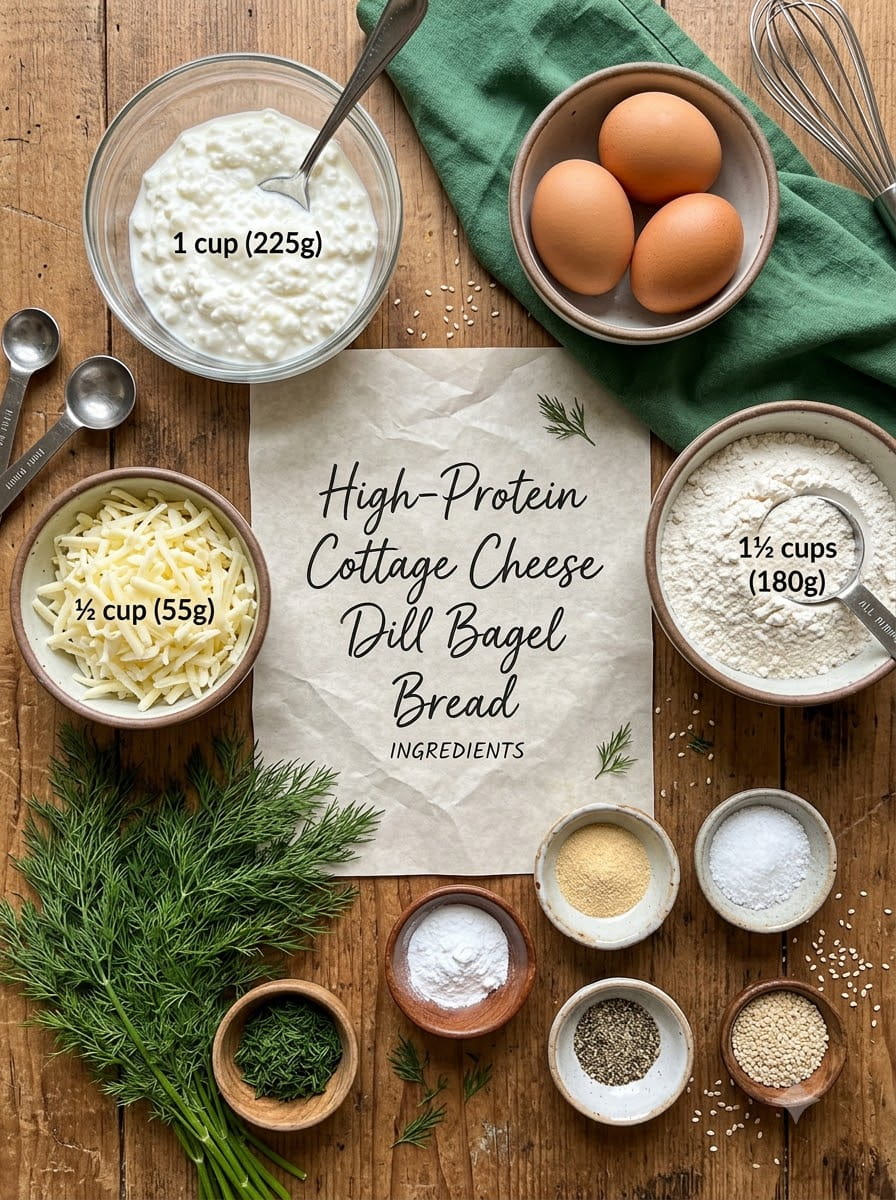
- 1 cup cottage cheese, 225 g
- 3 large eggs
- 1½ cups all-purpose flour, 180 g
- 2 teaspoons baking powder
- 2 tablespoons fresh dill, finely chopped
- ½ teaspoon garlic powder
- ½ teaspoon salt
- ¼ teaspoon black pepper
- ½ cup shredded mozzarella cheese, 55 g
- 1 teaspoon sesame seeds for topping
Instructions
Step 1: Preheat the Oven
Preheat your oven to 350°F (175°C).
Line a small loaf pan with parchment paper, leaving a little overhang along the sides. This will make it easier to lift the bread out after baking.
If you do not have parchment paper, grease the pan thoroughly, paying particular attention to the corners and bottom.
Preparing the pan before mixing the batter helps you transfer the mixture quickly and evenly.
Step 2: Blend the Cottage Cheese and Eggs
Add the cottage cheese and three large eggs to a blender or food processor.
Blend until the mixture is mostly smooth. Scrape down the sides if necessary to ensure the cottage cheese is evenly incorporated.
The mixture does not have to be perfectly liquid, but breaking down most of the curds helps create a more consistent crumb.
Set the blended mixture aside while you prepare the dry ingredients.
Step 3: Combine the Dry Ingredients
In a large mixing bowl, add the all-purpose flour, baking powder, garlic powder, salt, and black pepper.
Whisk or stir until the ingredients are evenly distributed. Breaking up any lumps in the flour helps prevent dry pockets in the finished loaf.
Mixing the baking powder thoroughly into the flour also helps the bread rise more evenly.
Step 4: Combine the Wet and Dry Mixtures
Pour the cottage cheese and egg mixture into the bowl of dry ingredients.
Stir gently with a spatula or wooden spoon until the flour is incorporated. Avoid mixing excessively once the batter comes together, as overmixing can make the loaf tougher.
Add the finely chopped dill and shredded mozzarella. Fold them into the batter until they are evenly distributed.
The finished batter should be thick and spoonable. It will be wetter than conventional bread dough but thicker than a typical pancake batter.
If the cottage cheese is particularly wet, the mixture may be softer than expected. Avoid adding large amounts of flour immediately; first check that the flour has been measured correctly and that excess liquid was not included with the cottage cheese.
Step 5: Transfer the Batter to the Loaf Pan
Spoon the batter into the prepared loaf pan.
Use a spatula to spread it evenly, paying attention to the corners so the loaf bakes at a consistent thickness.
Smooth the top gently and sprinkle the sesame seeds over the surface.
Press the seeds lightly into the batter so they are less likely to fall off after baking.
Step 6: Bake Until Golden and Set
Place the loaf pan in the preheated oven and bake for 40–50 minutes.
The top should become golden, and the center should feel set. Insert a toothpick into the middle of the loaf; it should come out without wet batter.
If the surface browns too quickly while the center remains underbaked, cover the loaf loosely with foil and continue baking.
Oven temperatures and loaf-pan dimensions vary, so begin checking toward the earlier end of the baking range. Because the recipe contains eggs, the center should reach at least 160°F (71°C).
Do not rely on the color of the crust alone. A golden top does not always mean the middle has finished baking.
Step 7: Cool the Bread
Remove the loaf from the oven and let it rest in the pan for approximately 10 minutes.
Carefully lift it out using the parchment paper and transfer it to a wire rack.
Allow it to cool fully before slicing. The cottage cheese contributes moisture, and the interior needs time to set after baking.
Cutting the bread while it is very warm can cause the slices to compress or crumble. For neat slices, use a sharp serrated knife and a gentle sawing motion.
Step 8: Toast and Serve
Enjoy a slice at room temperature or toast it lightly for a golden exterior and warm, cheesy center.
Serve with butter, cream cheese, avocado, eggs, smoked salmon, or your favorite sandwich fillings.
The bread can also be cut into small pieces and served alongside soup, salad, or a breakfast platter.
Tips for the Best Cottage Cheese Dill Bread
A few simple techniques can help you achieve a loaf that is evenly baked, flavorful, and easy to slice.
Blend the Cottage Cheese Thoroughly
Blending the cottage cheese with the eggs helps distribute moisture and protein more evenly throughout the batter.
If you prefer a more rustic texture, you can leave a few small curds, but large curds may create uneven pockets.
Measure Flour Accurately
Too much flour can make the bread heavy and dry, while too little may leave it fragile or overly moist.
A kitchen scale is the most reliable option. If using measuring cups, spoon the flour into the cup and level it without pressing it down.
Use Fresh Baking Powder
Baking powder loses effectiveness over time, especially if it has been exposed to moisture.
If your loaf is consistently dense despite correct measurements and baking time, check the freshness of your baking powder.
Avoid Overmixing
Once the wet and dry ingredients are combined, stir only until the flour disappears and the cheese and dill are evenly distributed.
Overmixing can develop more gluten than necessary and make the texture tougher.
Control Excess Moisture
Cottage cheese brands differ in consistency. Some contain more liquid than others, which can affect the batter.
If the cottage cheese is sitting in a pool of whey, drain the excess liquid before measuring. Use the same type of cottage cheese whenever possible to improve consistency between batches.
Bake Until the Center Is Fully Set
The top may brown before the center finishes baking. If necessary, cover the surface loosely with foil and continue baking.
A toothpick test and an internal temperature check can help you determine when the loaf is ready.
Cool Before Cutting
The loaf continues to set as it cools. Waiting produces cleaner slices and helps the bread hold together when toasted or used for sandwiches.
How to Serve Cottage Cheese Dill Bagel Bread
The combination of dill, garlic, and mozzarella makes this bread particularly versatile. It can be served with classic breakfast toppings, fresh vegetables, or savory sandwich fillings.
Smoked Salmon and Cream Cheese
Spread a thin layer of cream cheese over a slice and top it with smoked salmon.
Add cucumber, cracked black pepper, or a little extra dill for a bagel-inspired breakfast. This combination complements the bread’s herbal flavor and cheesy texture.
Scrambled Eggs and Avocado
Toast a slice and top it with scrambled eggs and sliced avocado.
The creamy avocado balances the savory bread, while eggs provide additional protein. Add black pepper or chopped fresh herbs for extra flavor.
Turkey and Tomato Sandwich
Use two slices to create a savory sandwich with turkey, tomato, lettuce, and a light spread of mustard.
If the loaf is especially moist, lightly toast the slices first. This helps create a sturdier base for the fillings.
Butter and Fresh Dill
Spread a little butter over a warm slice and finish with finely chopped fresh dill.
This simple serving method allows the herbal flavor to stand out and works well for breakfast or as a side with dinner.
Hummus and Roasted Vegetables
Spread hummus over toasted bread and top with roasted peppers, cucumber, or thinly sliced tomatoes.
The garlic and dill complement these flavors, creating a satisfying vegetarian snack or light lunch.
Cottage Cheese and Cucumber
For a fresh, savory topping, add a small amount of cottage cheese and sliced cucumber. Finish with black pepper and fresh dill.
This option reinforces the flavor of the loaf while adding a cool, creamy contrast.
Soup and Salad
Serve slices alongside tomato soup, vegetable soup, chicken soup, or a fresh green salad.
The bread’s savory flavor makes it a useful alternative to plain dinner rolls, especially when lightly toasted.
Easy Variations to Try
Once you have mastered the original recipe, you can experiment with additional herbs, seasonings, and toppings.
Everything Bagel-Style Bread
Add a small amount of dried onion, sesame seeds, poppy seeds, and garlic seasoning to the batter or sprinkle a bagel seasoning blend over the top.
This variation brings the flavor of everything bagels to the loaf. Check the seasoning blend’s salt content before adding the full amount of salt in the recipe.
Cheddar Dill Bread
Replace the mozzarella with shredded cheddar cheese.
Cheddar produces a stronger, sharper flavor that pairs well with dill and black pepper. The texture may be slightly different depending on the cheese’s fat and moisture content.
Chive and Dill Bread
Add finely chopped fresh chives alongside the dill.
Chives contribute a mild onion flavor that complements cottage cheese and mozzarella. Dry the herbs well before chopping to avoid introducing unnecessary moisture.
Garlic Herb Bread
Increase the herbal flavor with a small amount of dried oregano or parsley, along with the garlic powder.
Keep the additional seasonings modest so they do not overpower the dill.
Jalapeño Cheese Bread
Add a small amount of finely chopped jalapeño for a spicy variation.
Remove the seeds and membranes if you prefer a milder result. Pat the chopped peppers dry before mixing them into the batter.
Sun-Dried Tomato Bread
Add a small amount of finely chopped sun-dried tomatoes for a tangy, savory flavor.
Use well-drained tomatoes, especially if they are packed in oil. Extra moisture or oil can affect the texture of the loaf.
Sesame and Poppy Seed Topping
Replace some of the sesame seeds with poppy seeds for a classic bagel-style finish.
Sprinkle the seeds evenly over the top before baking. A mixture of seeds adds visual appeal and a little extra crunch.
Is Cottage Cheese Dill Bagel Bread Healthy?
This bread contains cottage cheese, eggs, mozzarella, and flour. The cottage cheese and eggs provide protein, while the cheese contributes additional protein and fat. The flour supplies carbohydrates that provide energy.
The nutritional value of each slice depends on the exact products you use, the fat content of the cottage cheese, the type of mozzarella, and the number of portions in the finished loaf.
Although the recipe contains several protein-rich ingredients, it is not automatically a low-calorie or low-carbohydrate food. Flour provides carbohydrates, and cheese can contribute a significant amount of calories and saturated fat.
The bread can fit into a balanced eating pattern when served in an appropriate portion alongside foods such as vegetables, eggs, or fruit.
Is It High in Protein?
Cottage cheese, eggs, and mozzarella all contribute protein. However, the exact amount per slice depends on the brands and quantities used, as well as the number of slices cut from the loaf.
For an accurate estimate, calculate the protein content from the nutrition labels of your actual ingredients and divide the total by the number of portions.
Serving the bread with smoked salmon, turkey, eggs, or Greek yogurt can increase the protein content of the overall meal.
Is It Low in Carbohydrates?
No. Although cottage cheese and eggs contain relatively little carbohydrate, the recipe includes 180 grams of all-purpose flour, which contributes a substantial amount.
If you are monitoring carbohydrates for a particular dietary reason, consider portion size and the rest of your meal. A genuinely lower-carbohydrate version would require a separately tested recipe using different flour proportions or ingredients.
Is It Gluten-Free?
The recipe contains all-purpose wheat flour, so it is not gluten-free.
If you need to avoid gluten, use a recipe specifically developed with suitable gluten-free ingredients. Simply replacing the flour with an equal quantity of gluten-free flour may not produce the same structure or texture.
Can It Be Part of a Balanced Breakfast?
Yes. A slice of this bread can be part of a balanced breakfast when paired with foods that suit your needs.
Try serving it with eggs and tomatoes, avocado and fruit, or smoked salmon and cucumber. These combinations provide a variety of nutrients and flavors.
How to Store Cottage Cheese Dill Bagel Bread Safely
Because this bread contains cottage cheese and eggs, it is a moist, perishable baked good. After baking, allow it to cool briefly, then refrigerate it promptly in a clean, airtight container.
For best quality, use it within about 3–4 days. Discard the bread if you notice mold, an unusual smell, or other signs of spoilage.
Do not leave the loaf at room temperature for extended periods. Perishable foods should generally be refrigerated within two hours, or within one hour when the surrounding temperature exceeds 90°F (32°C).
Can You Freeze Cottage Cheese Bread?
Yes. Freezing is a convenient way to keep extra slices available for later.
Allow the loaf to cool completely, then cut it into individual slices. Place small pieces of parchment paper between slices if you want to separate them easily.
Transfer the slices to a freezer-safe bag or airtight container, remove excess air, and label the package with the date.
For best quality, use the frozen bread within about 2–3 months. It may remain safe longer when continuously frozen at 0°F (-18°C), but the texture and flavor can gradually decline.
How Do You Reheat Frozen Slices?
Place a frozen slice in a toaster or toaster oven if the appliance is suitable for frozen bread.
You can also thaw a slice in the refrigerator and warm it gently before serving. Toasting is particularly enjoyable because it gives the exterior a firmer texture while warming the cheesy interior.
Avoid repeatedly thawing and refreezing the entire loaf. Freezing individual portions allows you to remove only what you need.
Common Mistakes to Avoid
Using Cottage Cheese with Too Much Liquid
Excess whey can make the batter too wet, resulting in a loaf that takes longer to bake and may remain gummy in the center.
Drain excess liquid before measuring the cottage cheese, especially if the product has separated in its container.
Adding Too Much Flour
Adding extra flour to a wet batter can make the loaf dry and dense.
First check that the flour has been measured correctly and that the cottage cheese is not excessively watery. The batter should be thick and spoonable, not a firm bread dough.
Overmixing the Batter
Mixing too vigorously after the flour has been added can produce a tougher texture.
Stir until the ingredients are combined, then transfer the batter to the loaf pan.
Removing the Loaf Too Early
A golden surface does not guarantee that the center has finished baking.
Check the middle with a toothpick and, if possible, a food thermometer. If the center is still underbaked, continue baking in short increments.
Slicing the Bread While It Is Hot
The loaf is delicate while warm because the cottage cheese contributes moisture.
Allow it to cool fully on a wire rack before cutting. This helps the crumb set and reduces crumbling.
Expecting Traditional Bagel Texture
This recipe is baked as a loaf using a batter rather than a kneaded dough. It will be softer and more cake-like than a traditional chewy bagel.
Its appeal lies in its savory flavor, convenience, and sliceable texture rather than a classic bagel’s dense, elastic crumb.
Frequently Asked Questions
Can I Make Cottage Cheese Dill Bread Without a Blender?
Yes. You can whisk the eggs in a bowl and mash the cottage cheese thoroughly with a fork before combining them.
The finished loaf may have small cottage cheese curds, but it can still be delicious. For a smoother texture, use a hand blender or food processor if available.
Can I Use Greek Yogurt Instead of Cottage Cheese?
Greek yogurt has a different moisture level, acidity, and texture from cottage cheese. Replacing the cottage cheese with the same amount of yogurt may change the batter and the finished loaf.
For the most reliable results, follow the recipe as written. A yogurt-based version may require different ingredient proportions.
Can I Use Dried Dill Instead of Fresh Dill?
Yes. Dried dill can be used when fresh dill is unavailable, but it is more concentrated.
Start with a smaller amount than the two tablespoons of fresh dill, then adjust the quantity according to your taste. The flavor will be slightly different from a loaf made with fresh herbs.
Why Is My Bread Dense?
A dense loaf may result from old baking powder, too much flour, excess moisture, or insufficient baking.
Measure the ingredients carefully, use fresh baking powder, and bake until the center is fully set. Avoid overmixing once the flour is added.
Why Is the Center Gummy?
The center may be gummy if the loaf is underbaked or sliced before cooling. Excess liquid from the cottage cheese can also affect the texture.
Drain excess whey, use the correct flour measurement, and allow the bread to cool completely before slicing.
Can I Make This Recipe in Muffin Tins?
You can experiment with baking the batter in a greased or lined muffin tin, but the baking time will be shorter because the portions are smaller.
Begin checking the centers early and bake until the batter is fully set. The final texture may differ slightly from the loaf version.
Can I Make This Bread Without Mozzarella?
Yes, but the cheese contributes flavor, moisture, and texture. Leaving it out will change the result.
You can experiment with another shredded cheese, such as cheddar, while keeping in mind that different cheeses vary in salt, moisture, and fat content.
Can I Add More Fresh Dill?
You can increase the dill slightly if you prefer a stronger herbal flavor. However, adding large quantities of fresh herbs may introduce extra moisture and overpower the cheese.
Chop the dill finely and dry it thoroughly before adding it to the batter.
Is This Bread Good for Sandwiches?
Yes. Once cooled, the loaf can be sliced and used for sandwiches. Turkey, lettuce, tomato, smoked salmon, and cucumber are all good options.
Because the bread is soft and moist, lightly toasting the slices can make them sturdier and easier to handle.
How Can I Tell When the Bread Is Fully Baked?
The top should be golden, the center should feel set, and a toothpick inserted into the middle should come out without wet batter.
For an additional check, the center should reach at least 160°F (71°C) because the recipe contains eggs.
Can I Prepare the Batter Ahead of Time?
It is best to bake the batter soon after mixing. Once the wet ingredients and baking powder are combined, leaving the batter for a long period may affect its rise and texture.
For convenience, bake the loaf ahead of time, refrigerate it promptly, and reheat slices when needed.
What to Serve with Cottage Cheese Dill Bagel Bread
For breakfast, serve a slice with scrambled eggs, sliced avocado, and tomatoes. This combination balances the savory loaf with fresh ingredients and makes a satisfying morning meal.
For lunch, pair the bread with turkey, cucumber, lettuce, and mustard, or serve it with a bowl of vegetable soup. The dill and garlic flavor also complements a simple green salad.
For a brunch spread, cut the loaf into slices and arrange it alongside cream cheese, smoked salmon, cucumber, fresh herbs, and boiled eggs. These toppings create a bagel-inspired meal without the extra work of preparing individual bagels.
If you prefer a simple snack, toast a slice and spread it with butter or cream cheese. A little fresh dill and cracked black pepper can make even a plain slice feel special.
Final Thoughts
High-Protein Cottage Cheese Dill Bagel Bread is a simple, savory loaf that combines creamy cottage cheese, eggs, mozzarella, and fresh herbs into a delicious homemade bake. With its soft texture, cheesy flavor, and bagel-inspired seasoning, it is a versatile option for breakfast, lunch, snacks, and meal preparation.
The recipe is especially appealing because it does not require yeast, kneading, or complicated shaping. Blend the cottage cheese and eggs, mix with the dry ingredients, fold in the dill and mozzarella, and bake until the center is set.
For the best results, measure the flour accurately, control excess moisture, and allow the loaf to cool completely before slicing. Enjoy it with smoked salmon, scrambled eggs, avocado, turkey, or your favorite savory toppings.
If you love easy cottage cheese recipes and homemade bread, this dill bagel loaf is a flavorful addition to your kitchen. Bake it for a weekend breakfast, prepare it ahead for weekday meals, or serve it warm alongside soup for a comforting homemade treat.
Print
High-Protein Cottage Cheese Dill Bagel Bread
Ingredients
- 1 cup cottage cheese, 225 g
- 3 large eggs
- 1½ cups all-purpose flour, 180 g
- 2 teaspoons baking powder
- 2 tablespoons fresh dill, finely chopped
- ½ teaspoon garlic powder
- ½ teaspoon salt
- ¼ teaspoon black pepper
- ½ cup shredded mozzarella cheese, 55 g
- 1 teaspoon sesame seeds for topping
Instructions
Preheat your oven to 350°F (175°C).
Line a small loaf pan with parchment paper, leaving a little overhang along the sides. This will make it easier to lift the bread out after baking.
If you do not have parchment paper, grease the pan thoroughly, paying particular attention to the corners and bottom.
Preparing the pan before mixing the batter helps you transfer the mixture quickly and evenly.
Step 2: Blend the Cottage Cheese and Eggs
Add the cottage cheese and three large eggs to a blender or food processor.
Blend until the mixture is mostly smooth. Scrape down the sides if necessary to ensure the cottage cheese is evenly incorporated.
The mixture does not have to be perfectly liquid, but breaking down most of the curds helps create a more consistent crumb.
Set the blended mixture aside while you prepare the dry ingredients.
Step 3: Combine the Dry Ingredients
In a large mixing bowl, add the all-purpose flour, baking powder, garlic powder, salt, and black pepper.
Whisk or stir until the ingredients are evenly distributed. Breaking up any lumps in the flour helps prevent dry pockets in the finished loaf.
Mixing the baking powder thoroughly into the flour also helps the bread rise more evenly.
Step 4: Combine the Wet and Dry Mixtures
Pour the cottage cheese and egg mixture into the bowl of dry ingredients.
Stir gently with a spatula or wooden spoon until the flour is incorporated. Avoid mixing excessively once the batter comes together, as overmixing can make the loaf tougher.
Add the finely chopped dill and shredded mozzarella. Fold them into the batter until they are evenly distributed.
The finished batter should be thick and spoonable. It will be wetter than conventional bread dough but thicker than a typical pancake batter.
If the cottage cheese is particularly wet, the mixture may be softer than expected. Avoid adding large amounts of flour immediately; first check that the flour has been measured correctly and that excess liquid was not included with the cottage cheese.
Step 5: Transfer the Batter to the Loaf Pan
Spoon the batter into the prepared loaf pan.
Use a spatula to spread it evenly, paying attention to the corners so the loaf bakes at a consistent thickness.
Smooth the top gently and sprinkle the sesame seeds over the surface.
Press the seeds lightly into the batter so they are less likely to fall off after baking.
Step 6: Bake Until Golden and Set
Place the loaf pan in the preheated oven and bake for 40–50 minutes.
The top should become golden, and the center should feel set. Insert a toothpick into the middle of the loaf; it should come out without wet batter.
If the surface browns too quickly while the center remains underbaked, cover the loaf loosely with foil and continue baking.
Oven temperatures and loaf-pan dimensions vary, so begin checking toward the earlier end of the baking range. Because the recipe contains eggs, the center should reach at least 160°F (71°C).
Do not rely on the color of the crust alone. A golden top does not always mean the middle has finished baking.
Step 7: Cool the Bread
Remove the loaf from the oven and let it rest in the pan for approximately 10 minutes.
Carefully lift it out using the parchment paper and transfer it to a wire rack.
Allow it to cool fully before slicing. The cottage cheese contributes moisture, and the interior needs time to set after baking.
Cutting the bread while it is very warm can cause the slices to compress or crumble. For neat slices, use a sharp serrated knife and a gentle sawing motion.
Step 8: Toast and Serve
Enjoy a slice at room temperature or toast it lightly for a golden exterior and warm, cheesy center.
Serve with butter, cream cheese, avocado, eggs, smoked salmon, or your favorite sandwich fillings.
The bread can also be cut into small pieces and served alongside soup, salad, or a breakfast platter.