
High-Protein Seeded Lentil Bread: The Easy No-Yeast Loaf Packed With Seeds
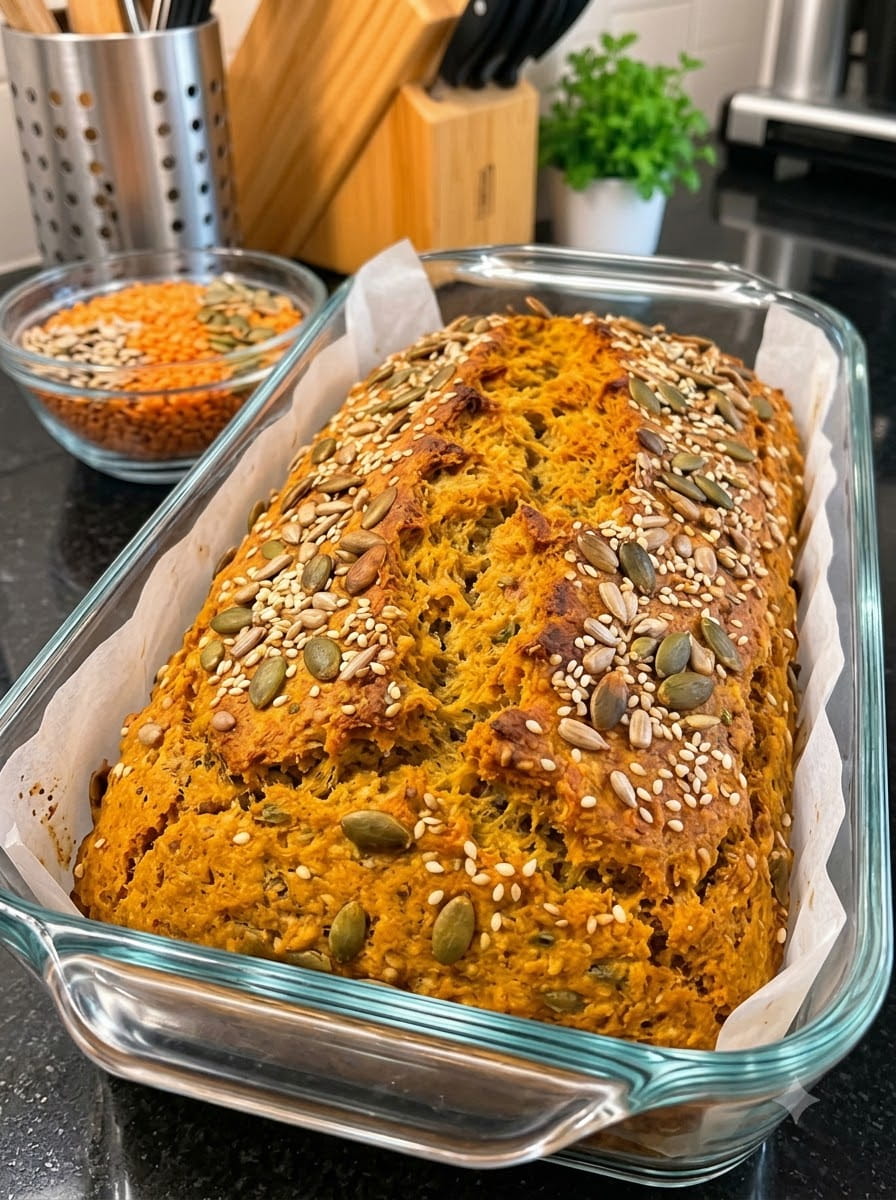
Most bread leaves you hungry an hour later. This high-protein seeded lentil bread does the opposite. It is built on soaked red lentils, eggs, and cottage cheese, then loaded with pumpkin, sunflower, chia, sesame, and flax seeds. The result is a moist, hearty, golden loaf with a crunchy seeded crust and a tender, satisfying crumb.
There is no yeast, no kneading, and no rising time. You soak the lentils, blend the batter, fold in the seeds, and bake. If you own a blender and a loaf pan, you can make it. It is naturally rich in plant protein and fiber, which makes it a smart choice for breakfast toast, sandwiches, or a filling snack.
This guide covers the full recipe, what each ingredient does, step-by-step directions, tips for the best texture, variations, storage, troubleshooting, and answers to common questions.
Why You’ll Love This Lentil Bread
It’s high in protein. Lentils, eggs, and cottage cheese work together to deliver a loaf that keeps you full for hours.
It’s simple. No yeast to proof, no dough to knead, and no waiting for a rise. Most of the work is a blender and a spatula.
It’s loaded with nutrients. Lentils bring fiber, iron, and plant protein, while the seeds add healthy fats, minerals, and crunch.
It’s moist and hearty. Cottage cheese and olive oil keep the crumb tender, while the seeds give every bite texture.
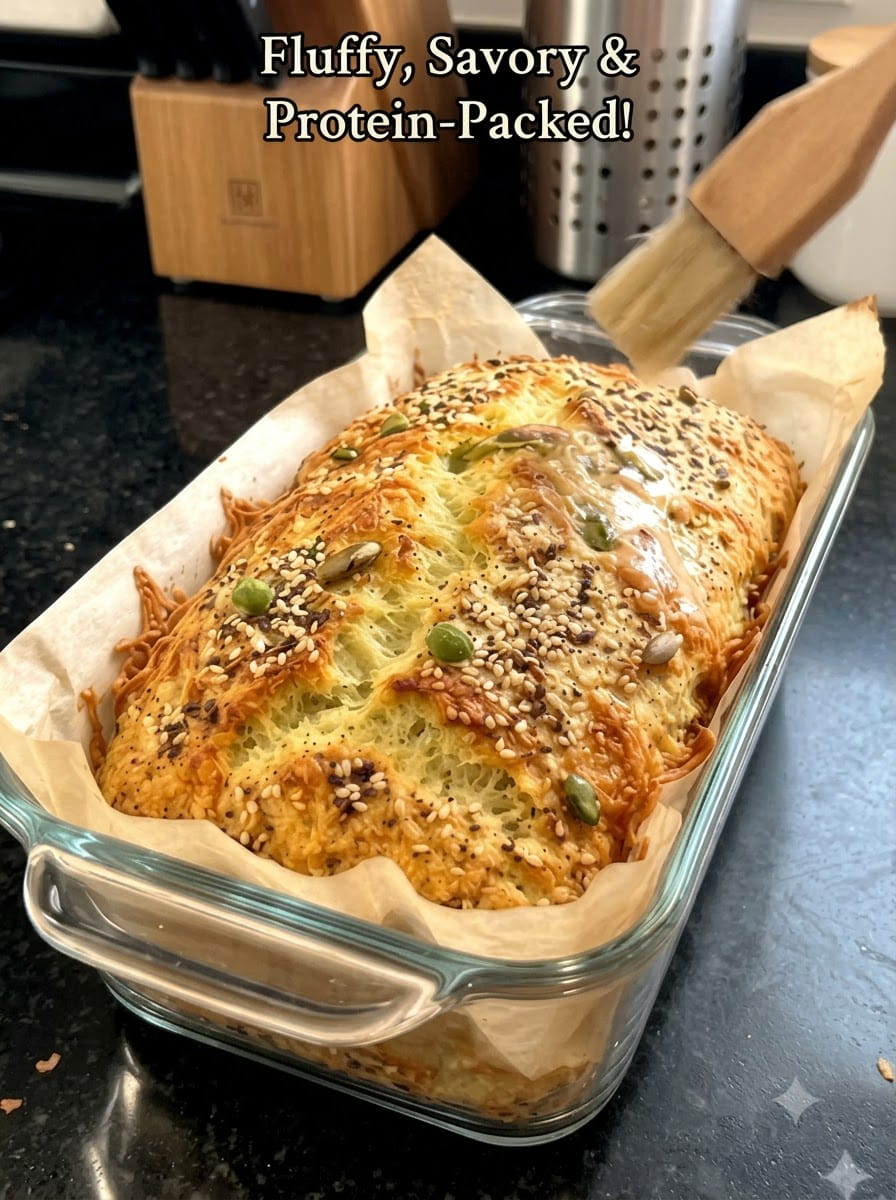
It has a gorgeous crust. A generous seed topping toasts in the oven into a crunchy, golden finish.
It’s versatile. Toast it, stack it into a sandwich, or serve it next to soup or salad.
Ingredients You’ll Need
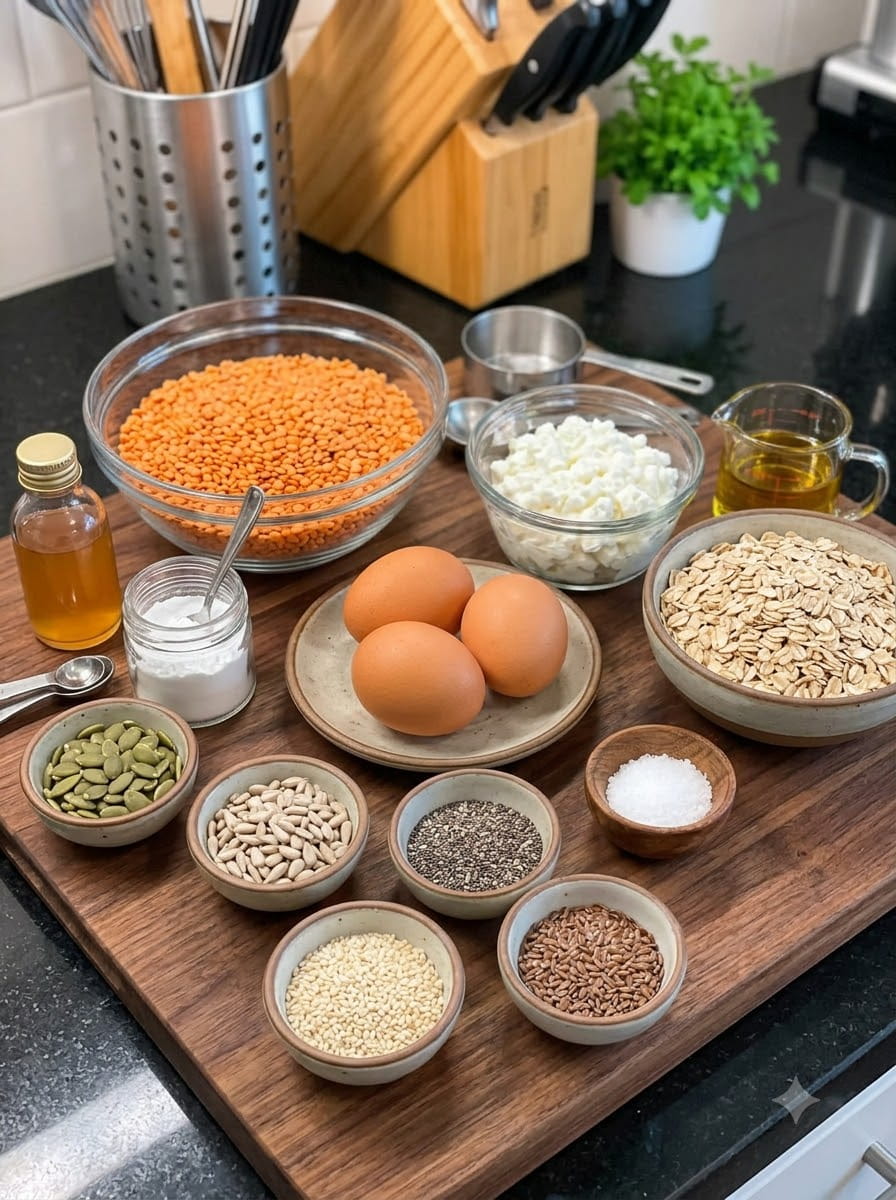
This recipe makes one standard loaf.
- 1½ cups dry red lentils
- 3 large eggs
- ½ cup cottage cheese
- ¼ cup olive oil
- ½ cup rolled oats
- 2 teaspoons baking powder
- 1 tablespoon apple cider vinegar
- ½ teaspoon salt
- 2 tablespoons pumpkin seeds
- 2 tablespoons sunflower seeds
- 1 tablespoon chia seeds
- 1 tablespoon sesame seeds
- 1 tablespoon flaxseeds
- Extra mixed seeds for the topping
What Each Ingredient Does
Dry Red Lentils
Red lentils are the base of the loaf. They cook quickly, have a mild, slightly sweet flavor, and blend into a smooth, thick batter once soaked. Because they are soaked rather than cooked, they soften enough to blend and then finish cooking in the oven. Use dry, split red lentils, not canned ones.
Eggs
Eggs bind the batter and provide structure. With no wheat gluten in the recipe, the eggs do most of the work holding the loaf together as it bakes and as you slice it.
Cottage Cheese
Cottage cheese adds extra protein, creaminess, and moisture. It blends into the lentil batter so smoothly that you will not see curds in the finished loaf.
Olive Oil
Olive oil adds richness and keeps the crumb soft and tender. It also helps the loaf stay moist for days.
Rolled Oats
Oats absorb extra moisture and give the loaf body. They also add soluble fiber and a mild, wholesome flavor. If you need the loaf gluten-free, choose certified gluten-free oats.
Baking Powder and Apple Cider Vinegar
These two work as a team. Baking powder provides lift, and the acid in the vinegar boosts the reaction, helping the loaf rise a bit more and keeping the crumb lighter. You will not taste the vinegar in the baked bread.
Salt
Salt brings out the nutty, earthy flavor of the lentils and seeds. Without it, the loaf can taste flat.
The Seed Blend
Pumpkin, sunflower, chia, sesame, and flaxseeds add crunch, healthy fats, and visual appeal. Chia and flax also absorb moisture and help bind the batter, which supports the loaf’s structure.
Step-by-Step Instructions
Step 1: Rinse and Soak the Lentils
Rinse the 1½ cups of red lentils thoroughly under cold water until the water runs mostly clear. Place them in a bowl and cover with plenty of water. Let them soak for 3 to 4 hours. Soaking softens the lentils so they blend smoothly and bake through evenly.
Step 2: Drain Very Well
Drain the lentils very well, shaking the strainer to remove as much water as possible. Excess water is the most common cause of a gummy loaf. Transfer the drained lentils to a blender or food processor.
Step 3: Blend the Wet Base
Add the 3 eggs, ½ cup cottage cheese, and ¼ cup olive oil. Blend until a thick, mostly smooth batter forms. A few tiny bits of lentil are fine. Scrape down the sides as needed.
Step 4: Add the Oats and Leavening
Add the rolled oats, baking powder, apple cider vinegar, and salt. Blend briefly, just until combined. The oats do not need to be fully pulverized.
Step 5: Transfer to a Bowl
Pour the batter into a large mixing bowl. It will be thick, similar to a heavy pancake batter or a soft dough.
Step 6: Fold in the Seeds
Fold in the pumpkin seeds, sunflower seeds, chia seeds, sesame seeds, and flaxseeds until evenly distributed. Because chia and flax absorb liquid, the batter will thicken slightly as it sits.
Step 7: Preheat and Prep the Pan
Preheat your oven to 350°F (175°C). Line a loaf pan with parchment paper, leaving a little overhang so you can lift the loaf out later.
Step 8: Fill the Pan
Pour the batter into the prepared pan and smooth the top with a spatula. Dampening the spatula slightly makes this easier.
Step 9: Add the Topping
Sprinkle additional mixed seeds over the surface and gently press them in so they stay put during baking and slicing.
Step 10: Bake
Bake for 50 to 60 minutes, until the loaf is firm and golden and a toothpick inserted in the center comes out clean. Start checking at 50 minutes. If the top browns too fast, tent it loosely with foil for the last 10 to 15 minutes.
Step 11: Cool in the Pan
Let the bread cool in the pan for 15 minutes. This allows the structure to set so the loaf doesn’t crack or crumble when you remove it.
Step 12: Cool Completely
Lift the loaf out with the parchment and place it on a wire rack. Cool it completely before slicing. A lentil loaf continues to firm up as it cools, and cutting it warm can give you a gummy texture.
Step 13: Slice and Serve
Slice with a serrated knife and enjoy, preferably toasted, with avocado, cream cheese, or your favorite sandwich fillings.
The Science Behind the Loaf
Structure without gluten. Wheat bread relies on gluten. This loaf relies on proteins from eggs, lentils, and cottage cheese. As the batter heats, these proteins set into a firm yet tender crumb. That is also why cooling matters: the structure finishes setting as the loaf comes to room temperature.
Moisture management. Lentils, oats, chia, and flax all absorb liquid. Soaking the lentils hydrates them in advance, and draining them well keeps the batter from becoming too wet. The balance of wet and absorbent ingredients is what produces a moist but sliceable crumb.
Lift from acid and base. The vinegar reacts with the baking powder and any residual alkalinity in the batter to produce extra gas, giving the loaf a lighter texture than it would have otherwise.
Toasted seed crust. The seeds on top toast in the oven, releasing nutty aromas and forming a crisp, golden crust.
Tips for the Best Seeded Lentil Bread
Don’t skip the soak. Soaking softens the lentils so they blend smoothly and cook evenly. Under-soaked lentils can leave a gritty texture.
Drain thoroughly. Press the lentils in a fine-mesh strainer to remove extra water. This is the most important step for avoiding a gummy center.
Blend well. A smoother batter produces a more even crumb. A high-speed blender gives the best results, but a food processor works too.
Press the seeds into the top. Loose seeds fall off when slicing. A gentle press helps them stay attached.
Bake until fully done. Lentil bread can look golden before the center is cooked. Rely on the toothpick test, and bake a few extra minutes if needed.
Cool completely. Resist slicing early. Waiting gives you clean slices with a better crumb.
Use a serrated knife. It cuts through the seeded crust without squashing the loaf.
Toast the slices. Toasting dries the surface slightly and brings out the nutty flavor.
Nutrition Snapshot
Exact numbers depend on slice size and the brands you use, but this loaf is naturally rich in protein and fiber. Cut into about 10 slices, you can expect roughly 8 to 10 grams of protein per slice, plus fiber, iron, and healthy fats from the lentils and seeds. For precise values, enter your own ingredients into a nutrition calculator.
Delicious Ways to Serve It
Breakfast
- Toasted with mashed avocado, lemon juice, and chili flakes
- Spread with cream cheese and topped with sliced cucumber or tomato
- Served with scrambled or poached eggs
Lunch
- A turkey, chicken, or tuna sandwich
- Layered with hummus, roasted vegetables, and arugula
- Alongside a bowl of vegetable or tomato soup
Snacks
- Toasted and topped with cottage cheese and cherry tomatoes
- Spread with almond or peanut butter for a sweet-and-savory bite
- Eaten plain as a portable high-protein snack
Dinner
- Served with a big salad
- Used to mop up stews, curries, or chili
- Cubed and toasted into crunchy croutons
Variations to Try
Herb and garlic loaf. Add 1 teaspoon of garlic powder and 1 teaspoon of dried Italian herbs to the batter.
Cheesy lentil bread. Fold in ½ cup of shredded cheddar or mozzarella and sprinkle a little on top.
Spiced version. Add ½ teaspoon of cumin and ½ teaspoon of paprika for a warm, earthy flavor.
Sun-dried tomato and olive. Stir in chopped sun-dried tomatoes and olives for a Mediterranean twist.
Different seeds. Swap in hemp seeds, poppy seeds, or chopped walnuts depending on what you have.
Everything topping. Replace the seed topping with everything bagel seasoning.
Mini loaves or muffins. Divide the batter among a lined muffin tin and bake for about 25 to 30 minutes, testing with a toothpick.
Storage and Freezing Tips
Refrigerator. Because the loaf contains eggs and cottage cheese, store it in an airtight container in the fridge for up to 5 days.
Freezer. Slice the cooled loaf, place parchment between the slices, and freeze in a freezer-safe bag for up to 3 months. Toast slices straight from frozen.
Reheating. Use a toaster, toaster oven, or dry skillet to bring back crisp edges.
Meal prep. Slicing and freezing gives you ready-to-toast, high-protein bread for the whole week.
Troubleshooting Common Problems
The loaf is gummy in the middle. The lentils may not have been drained well enough, or the loaf may be underbaked or sliced too soon. Drain thoroughly, bake until a toothpick comes out clean, and cool completely.
The loaf is dense and heavy. This is a hearty, dense quick bread by nature. For a slightly lighter crumb, make sure your baking powder is fresh and don’t skip the vinegar.
The loaf is dry or crumbly. Too much oat or too little moisture could be the cause. Measure carefully and make sure the lentils weren’t over-drained to the point of dryness.
The texture is gritty. The lentils were probably under-soaked or under-blended. Soak the full time and blend until the batter is mostly smooth.
The top is browning too fast. Cover loosely with foil partway through baking.
The seeds fall off. Press them gently into the batter before baking, and let the loaf cool before slicing.
The bread tastes bland. Add a pinch more salt or some garlic powder and herbs. Seasoning matters a lot in lentil-based bread.
Frequently Asked Questions
Do I have to soak the lentils?
Yes. Soaking is what lets the lentils blend into a smooth batter and bake through. Skipping it can leave a gritty, undercooked texture.
Can I use green or brown lentils?
Red lentils are recommended because they are split, soften quickly, and have a mild flavor. Green or brown lentils take longer to soften and give a stronger flavor and a different texture, so results will vary.
Does it taste like lentils?
It has a mild, earthy, slightly nutty flavor. The seeds, olive oil, and salt balance it well, and most people find it tastes like a hearty seeded bread.
Is this bread gluten-free?
The ingredients are naturally gluten-free apart from possible cross-contamination in oats. Use certified gluten-free oats if you need it strictly gluten-free.
Can I make it dairy-free?
Cottage cheese adds protein and moisture. A dairy-free substitute, such as a thick plant-based yogurt, may work, though the texture will change. Treat it as an experiment.
Can I make it without eggs?
Eggs are important for structure in this recipe. An egg-free version would need testing with substitutes like flax eggs, and the loaf may be softer.
Why is vinegar in the recipe?
It reacts with the baking powder to boost lift and lightens the crumb. The flavor bakes off and is not noticeable.
Can I skip some of the seeds?
Yes. Replace them with other seeds or extra oats, but keep the chia and flax if you can, since they help bind the batter.
How do I know when it’s done?
The loaf should be firm and golden, and a toothpick in the center should come out clean.
Can I double the recipe?
Bake two loaves in separate pans rather than one larger loaf. A thicker loaf may not cook through in the center.
Final Thoughts
High-protein seeded lentil bread shows how a few wholesome ingredients can become something genuinely satisfying. Soaked red lentils, eggs, and cottage cheese create a moist, protein-packed base, and the seeds add crunch, flavor, and nutrition in every slice.
There is no yeast, no kneading, and no rising. Soak, blend, fold, bake, and cool. Then toast a slice, top it with avocado or cream cheese, and enjoy a loaf that is as nourishing as it is delicious.
Print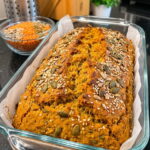
High-Protein Seeded Lentil Bread
Ingredients
This recipe makes one standard loaf.
- 1½ cups dry red lentils
- 3 large eggs
- ½ cup cottage cheese
- ¼ cup olive oil
- ½ cup rolled oats
- 2 teaspoons baking powder
- 1 tablespoon apple cider vinegar
- ½ teaspoon salt
- 2 tablespoons pumpkin seeds
- 2 tablespoons sunflower seeds
- 1 tablespoon chia seeds
- 1 tablespoon sesame seeds
- 1 tablespoon flaxseeds
- Extra mixed seeds for the topping
Instructions
Rinse the 1½ cups of red lentils thoroughly under cold water until the water runs mostly clear. Place them in a bowl and cover with plenty of water. Let them soak for 3 to 4 hours. Soaking softens the lentils so they blend smoothly and bake through evenly.
Drain the lentils very well, shaking the strainer to remove as much water as possible. Excess water is the most common cause of a gummy loaf. Transfer the drained lentils to a blender or food processor.
Add the 3 eggs, ½ cup cottage cheese, and ¼ cup olive oil. Blend until a thick, mostly smooth batter forms. A few tiny bits of lentil are fine. Scrape down the sides as needed.
Add the rolled oats, baking powder, apple cider vinegar, and salt. Blend briefly, just until combined. The oats do not need to be fully pulverized.
Pour the batter into a large mixing bowl. It will be thick, similar to a heavy pancake batter or a soft dough.
Fold in the pumpkin seeds, sunflower seeds, chia seeds, sesame seeds, and flaxseeds until evenly distributed. Because chia and flax absorb liquid, the batter will thicken slightly as it sits.
Preheat your oven to 350°F (175°C). Line a loaf pan with parchment paper, leaving a little overhang so you can lift the loaf out later.
Pour the batter into the prepared pan and smooth the top with a spatula. Dampening the spatula slightly makes this easier.
Sprinkle additional mixed seeds over the surface and gently press them in so they stay put during baking and slicing.
Bake for 50 to 60 minutes, until the loaf is firm and golden and a toothpick inserted in the center comes out clean. Start checking at 50 minutes. If the top browns too fast, tent it loosely with foil for the last 10 to 15 minutes.
Let the bread cool in the pan for 15 minutes. This allows the structure to set so the loaf doesn’t crack or crumble when you remove it.
Lift the loaf out with the parchment and place it on a wire rack. Cool it completely before slicing. A lentil loaf continues to firm up as it cools, and cutting it warm can give you a gummy texture.
Slice with a serrated knife and enjoy, preferably toasted, with avocado, cream cheese, or your favorite sandwich fillings.