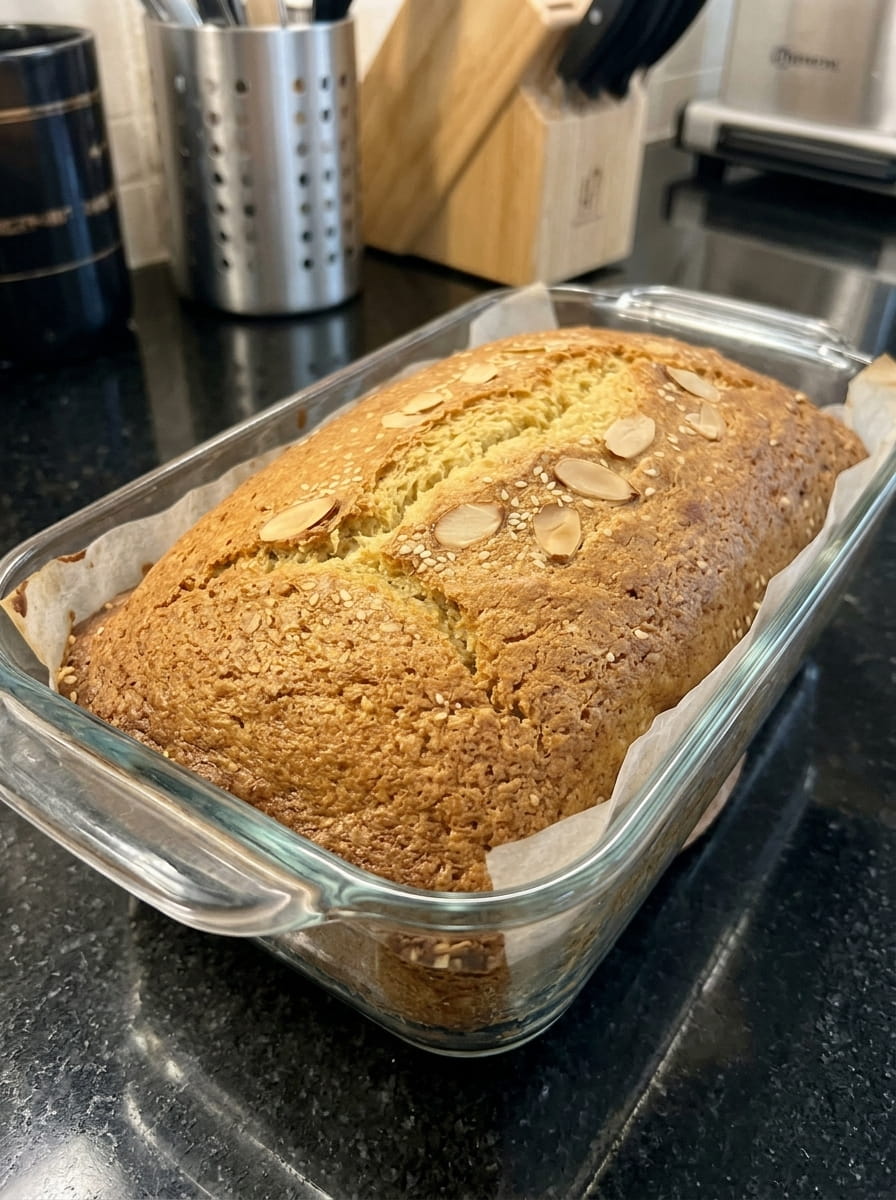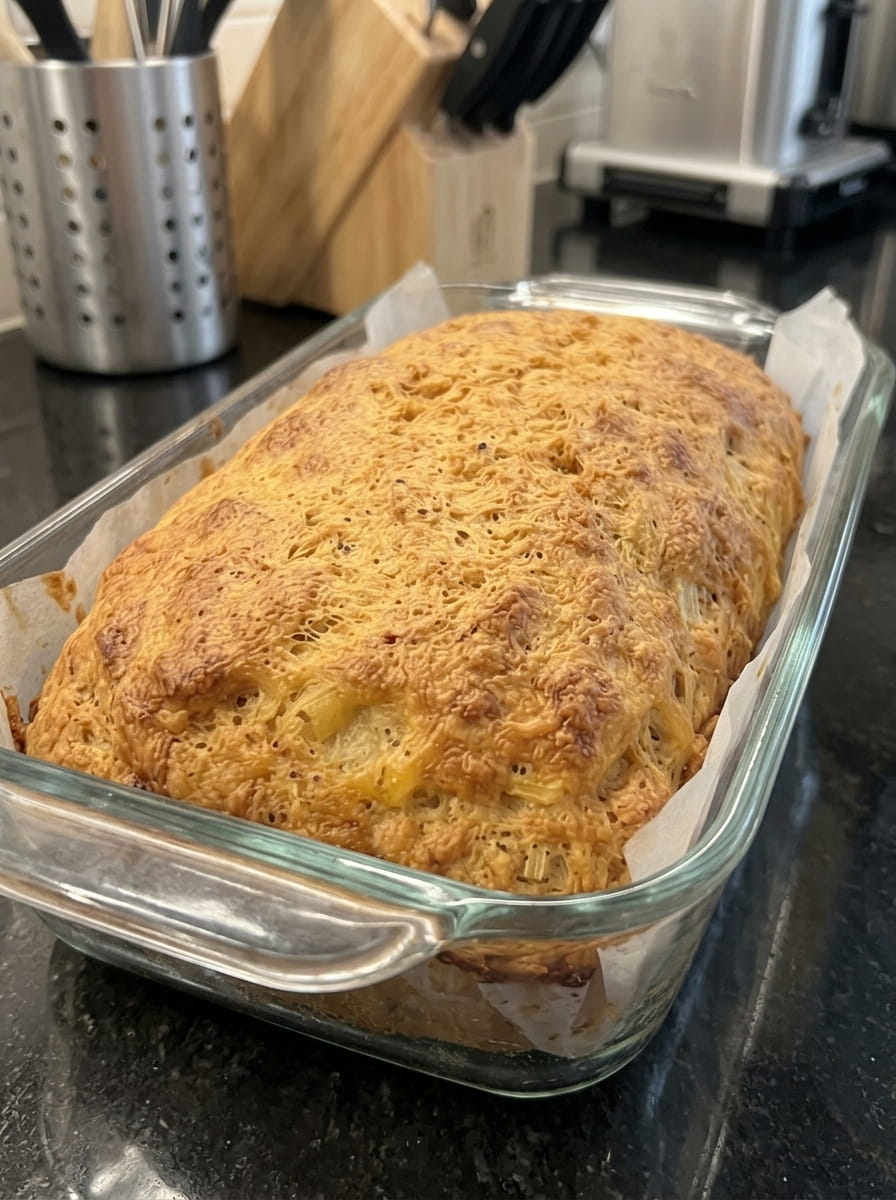

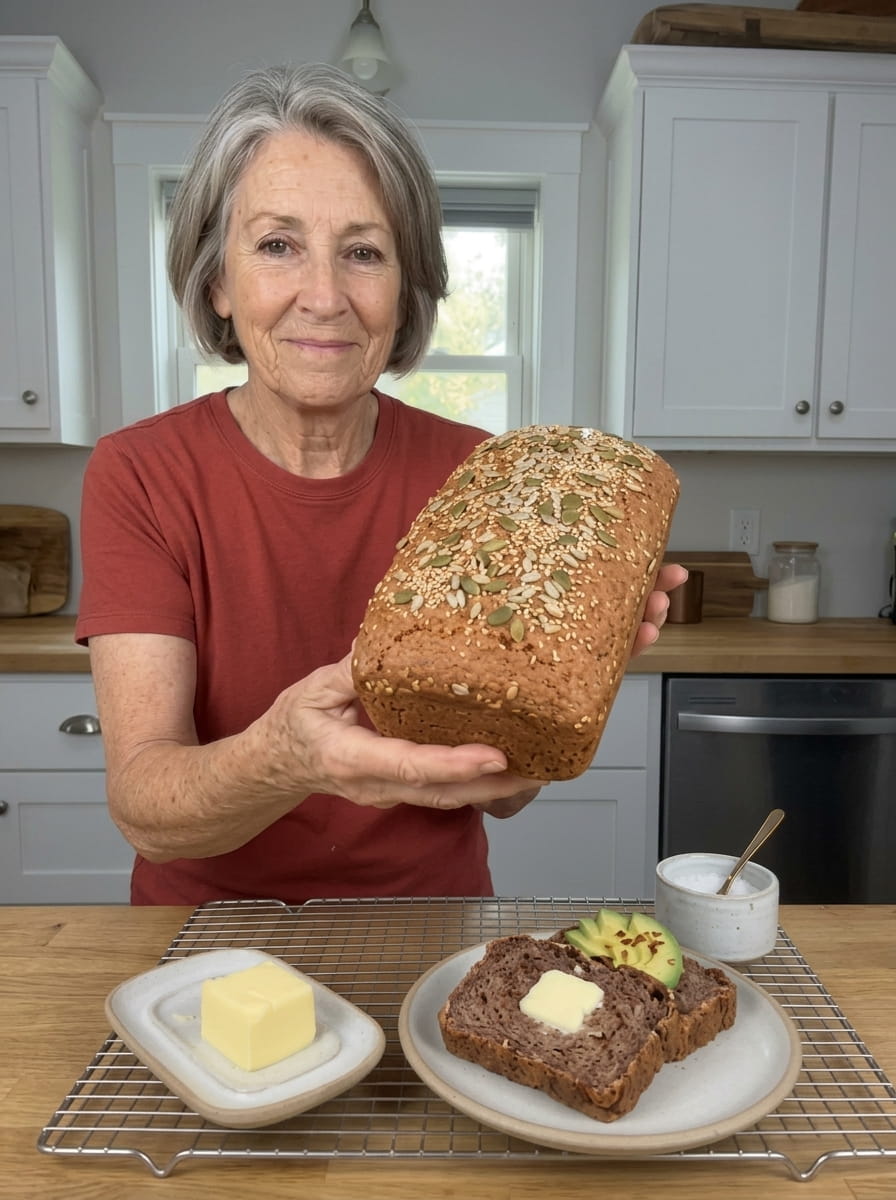
3-Ingredient High-Protein Kidney Bean Bread: Easy Flourless Bread Recipe
Looking for an easy homemade bread recipe that requires only a few simple ingredients? This 3-Ingredient High-Protein Kidney Bean Bread is a delicious option to try! Made with cooked kidney beans, eggs, and baking powder, this simple loaf offers a hearty texture, a mild flavor, and a convenient way to enjoy homemade bread without flour, yeast, kneading, or rising time.
Whether you are searching for a flourless bread recipe, an easy high-protein breakfast idea, or a creative way to use canned kidney beans, this recipe deserves a place in your kitchen. It comes together in minutes, bakes in the oven, and can be served with a wide variety of sweet-free, savory toppings.
Kidney beans are the main ingredient, providing plant-based protein, fiber, and other important nutrients. Eggs help bind the ingredients and give the loaf structure, while baking powder provides a little lift during baking.
The result is a compact, tender loaf that can be sliced and served for breakfast, lunch, or a snack. Enjoy it toasted with avocado, topped with scrambled eggs, paired with cheese, or served alongside a warm bowl of soup.
One of the best things about this kidney bean bread recipe is its simplicity. You do not need a long ingredient list, specialist baking equipment, or experience making homemade bread. A blender, a small loaf pan, and an oven are all you need.
If you love experimenting with healthy homemade recipes and practical pantry ingredients, keep reading to discover how to make this easy three-ingredient kidney bean bread, how to achieve the best texture, and how to customize it to suit your taste.
What Is 3-Ingredient Kidney Bean Bread?
Three-ingredient kidney bean bread is a flourless quick bread made by blending cooked kidney beans with eggs and baking powder, then baking the mixture in a loaf pan.
Unlike conventional bread, which typically uses wheat flour or another grain-based flour, this recipe relies on blended beans and eggs to form its structure. It also does not require yeast, kneading, or proofing.
The kidney beans create the base of the loaf. Once blended, they form a thick mixture that combines with the eggs to produce a batter suitable for baking. As the eggs cook, they help the bread set, while the baking powder creates small air pockets that can make the finished loaf lighter.
The result is different from traditional wheat bread. It is generally more compact and moist, with a subtle bean flavor and a soft, sliceable texture when properly baked and cooled.
Because the recipe contains no added flour, it may appeal to people looking for alternatives to conventional bread. However, it is important to remember that flourless does not automatically mean low-calorie, low-carbohydrate, or suitable for every dietary requirement.
The recipe is also naturally free from added yeast and wheat flour when prepared with the ingredients listed. If you need to avoid gluten strictly, check the labels of all packaged ingredients and ensure there is no cross-contact during preparation.
Why You Will Love This High-Protein Kidney Bean Bread
There are several reasons to try this simple homemade loaf.
1. Only Three Ingredients
You need just cooked kidney beans, eggs, and baking powder.
The short ingredient list makes this recipe convenient when you want to prepare something homemade without purchasing a long list of ingredients.
2. No Flour Required
This recipe does not use all-purpose flour, whole-wheat flour, or another conventional grain flour.
Blended kidney beans and eggs provide the base instead, giving the bread a distinctive texture and flavor.
3. No Yeast or Kneading
Traditional bread-making often involves mixing dough, kneading it, allowing it to rise, and shaping it before baking.
This kidney bean loaf skips those steps. Blend the ingredients, pour the mixture into a pan, and bake.
4. A Source of Protein
Kidney beans and eggs both contribute protein. Protein is essential for maintaining muscle, repairing tissues, and supporting many normal body functions.
The precise protein content of the loaf depends on the type of kidney beans used, the size of the eggs, and the number of slices you cut.
5. Contains Dietary Fiber
Kidney beans are naturally rich in dietary fiber, which supports normal digestive function and can help make meals more satisfying.
Because the recipe uses whole beans rather than refined flour, it also retains the beans’ naturally occurring fiber.
6. Easy to Customize
The basic recipe has a mild savory flavor that works well with herbs, spices, garlic powder, and other seasonings.
You can also keep the loaf plain and customize each slice with different toppings.
7. Convenient for Breakfast and Lunch
This bread can be sliced and stored for convenient meals throughout the week. Serve it toasted with avocado, cheese, eggs, hummus, or roasted vegetables.
It is especially useful when you want an alternative to standard sandwich bread.
Ingredients for 3-Ingredient High-Protein Kidney Bean Bread
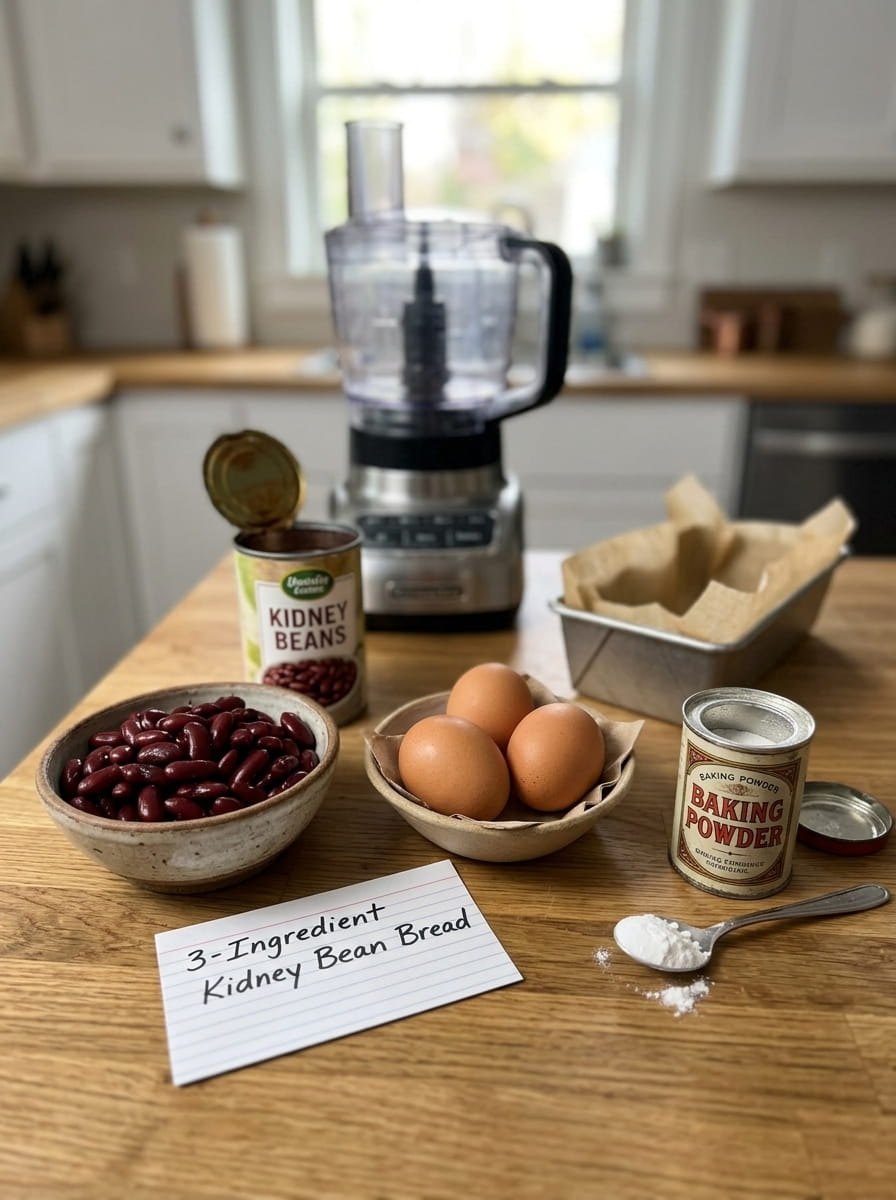
This recipe uses three ingredients, each with a specific purpose.
Kidney Beans: 240 g Cooked, Drained, and Rinsed
You will need approximately 240 grams of cooked kidney beans, which is roughly the drained weight of one standard can, although can sizes vary.
Kidney beans are the foundation of this recipe. They provide the bulk of the batter, along with plant-based protein, fiber, carbohydrates, and minerals.
Canned kidney beans are particularly convenient because they are already cooked. Drain them thoroughly and rinse them under running water before blending.
Rinsing helps remove excess canning liquid and some of the surface sodium, depending on the product.
If you prefer cooking kidney beans from scratch, cook them thoroughly before using them in this recipe. Never use raw or inadequately cooked kidney beans. Raw kidney beans contain naturally occurring phytohaemagglutinin, a toxin that can cause severe gastrointestinal illness. Proper cooking is essential.
For consistency, use approximately 240 grams of cooked, drained beans rather than measuring the beans together with their liquid.
Eggs: 3 Large Eggs
Eggs help bind the blended kidney beans and give the bread its structure.
As the loaf bakes, the egg proteins coagulate, helping the mixture transform from a soft batter into a sliceable bread.
Eggs also contribute protein, fat, and moisture, influencing the final texture.
For best results, use three large eggs as specified. Substituting smaller eggs may change the consistency, while adding extra eggs can make the loaf more egg-forward and alter its structure.
Baking Powder: 1 Teaspoon
Baking powder is the leavening agent in this recipe.
It releases gas during baking, helping the batter expand and develop a lighter texture.
Since the loaf does not contain flour or yeast, baking powder plays an important role in its rise.
Use fresh baking powder for reliable results. Old or improperly stored baking powder may lose its effectiveness, leaving the loaf denser than expected.
Equipment You Need
You do not need any specialized baking equipment to prepare kidney bean bread.
Gather the following items before you begin:
-
- A blender or food processor.
-
- A small mixing spatula, if needed.
-
- A small loaf pan.
-
- Parchment paper.
-
- A kitchen scale or measuring equipment.
-
- A toothpick or thin skewer.
-
- A cooling rack.
A blender is especially important because the kidney beans need to be processed into a completely smooth mixture.
If the beans are not blended thoroughly, the loaf may have a coarse texture or uneven pockets.
Parchment paper helps prevent sticking and makes removing the finished bread easier.
How to Make 3-Ingredient Kidney Bean Bread
Follow these straightforward steps to prepare your homemade flourless kidney bean loaf.
Step 1: Preheat the Oven
Preheat your oven to 350°F (175°C).
Line a small loaf pan with parchment paper, making sure the paper covers the bottom and sides.
If necessary, lightly grease the pan before adding the parchment paper to help it stay in place.
Preparing the pan before blending the ingredients makes the process quicker and helps prevent the batter from sitting too long before baking.
Step 2: Drain and Rinse the Kidney Beans
Open the can of kidney beans and drain away the liquid.
Place the beans in a colander and rinse them under cool running water. Allow the excess water to drain before measuring approximately 240 grams of cooked beans.
This step is important because too much liquid can make the batter thinner than intended.
If you are using homemade kidney beans, ensure they have been properly cooked and cooled enough to handle before blending.
Step 3: Blend the Three Ingredients
Add the drained kidney beans, three large eggs, and one teaspoon of baking powder to a blender.
Blend until the mixture is completely smooth.
Depending on the strength of your blender, you may need to stop once or twice to scrape down the sides with a spatula.
Continue blending until there are no obvious whole beans or large pieces remaining.
A smooth batter helps produce a more uniform loaf and improves the final texture.
Avoid adding water unless absolutely necessary, as additional liquid can affect how the bread sets.
Step 4: Transfer the Batter to the Loaf Pan
Pour the blended mixture into your prepared loaf pan.
Use a spatula to scrape the blender clean and smooth the surface of the batter.
Try to distribute the mixture evenly so that the loaf bakes at a consistent rate.
The batter may appear thicker than a typical cake batter but softer than traditional bread dough. This is normal for a recipe made from beans and eggs.
Step 5: Bake the Kidney Bean Bread
Place the loaf pan in the preheated oven and bake for approximately 35–45 minutes.
Baking time will depend on your oven, the dimensions of your loaf pan, and the moisture content of the beans.
The bread should look set, and the center should no longer appear wet.
Insert a toothpick or thin skewer into the middle. It should come out without wet batter clinging to it.
For additional confidence, check the center with a food thermometer. Because the recipe contains eggs, the center should reach at least 160°F (71°C).
If the top begins browning too quickly while the center remains undercooked, loosely cover the loaf with aluminum foil and continue baking.
Do not rely on the color of the crust alone to determine whether the bread is fully cooked.
Step 6: Let the Bread Cool
Remove the pan from the oven and allow the bread to cool in the pan for 10–15 minutes.
Carefully lift the loaf out using the parchment paper and place it on a cooling rack.
Allowing the bread to cool is particularly important for flourless recipes because the interior may be delicate while hot.
As the loaf cools, its structure becomes more stable, making it easier to slice without crumbling.
Step 7: Slice and Serve
Once the bread has cooled sufficiently, cut it into slices using a sharp knife.
Serve it plain or toasted, depending on your preference.
Try topping it with avocado, scrambled eggs, cottage cheese, sliced tomatoes, hummus, or your favorite savory spread.
Because the loaf has a different structure from conventional wheat bread, slightly thicker slices may be easier to handle.
Tips for Making the Best Flourless Kidney Bean Bread
A few small details can make a significant difference in the final loaf.
Blend Until Completely Smooth
This is one of the most important steps.
Kidney beans have a naturally firm texture, and any remaining pieces can create uneven spots in the bread.
A powerful blender or food processor will help produce a smoother batter.
If your blender struggles, scrape down the sides and blend in short intervals until the beans are fully incorporated.
Drain the Beans Thoroughly
Excess liquid can make the batter too wet, increasing the likelihood of a dense or gummy center.
After rinsing the beans, allow them to drain for a few minutes before blending.
Avoid adding the liquid from the can unless you are deliberately testing a different version of the recipe.
Use Fresh Baking Powder
Baking powder loses effectiveness over time, particularly if exposed to moisture.
Fresh baking powder helps the batter rise more effectively during baking.
Measure one teaspoon carefully rather than adding extra in the hope of creating a much taller loaf. Excess baking powder can affect the taste and texture.
Choose an Appropriate Loaf Pan
A small loaf pan helps the batter retain enough depth to form slices.
A much wider pan creates a thinner layer and can change the baking time. A very narrow or deep pan may require longer baking.
Regardless of the pan size, check the center rather than relying exclusively on the recommended time.
Allow the Loaf to Cool Completely Before Neat Slicing
The recommended 10–15 minutes of initial cooling helps the loaf release from the pan.
For the cleanest slices, allow additional cooling time before cutting.
If the bread feels too soft while hot, give it longer to set instead of trying to slice it immediately.
Avoid Adding Extra Liquid
The moisture balance is especially important in a recipe without conventional flour.
Adding milk, water, or other liquids can make the loaf softer, but it may also prevent the center from setting properly.
Follow the original quantities for the most predictable result.
What Does Kidney Bean Bread Taste Like?
Kidney bean bread has a mild, earthy flavor that is different from traditional wheat bread.
The beans create a hearty taste and a compact, moist texture. Eggs provide structure, while baking powder helps the mixture rise slightly during baking.
The loaf is not designed to taste exactly like white sandwich bread. Instead, it offers a distinctive flourless alternative that works especially well with savory toppings.
Toasting can improve the eating experience by creating a firmer surface and adding a little crispness to the edges.
Avocado, cheese, herbs, eggs, tomatoes, and hummus all complement the flavor of kidney beans.
If you prefer a stronger savory taste, you can experiment with additional ingredients such as garlic powder, black pepper, dried oregano, or smoked paprika. These additions change the original three-ingredient recipe but can create a more seasoned loaf.
How to Serve High-Protein Kidney Bean Bread
This simple loaf can be used in several ways throughout the day.
1. Kidney Bean Bread with Avocado
Toast a slice and spread mashed avocado over the top.
Add black pepper, lemon juice, and a pinch of chili flakes for extra flavor.
Avocado provides a creamy contrast to the hearty texture of the bread.
2. Serve with Eggs
Pair a slice with scrambled, boiled, or poached eggs.
This combination provides protein from both the kidney beans and eggs, making it a practical breakfast option.
You can also top the bread with a fried egg and a few fresh herbs.
3. Make a Cheese Toast
Add a slice of your favorite cheese to the bread and toast it until the cheese softens.
Cheddar, mozzarella, and other melting cheeses can work well.
For extra flavor, add sliced tomatoes or a sprinkle of dried oregano.
4. Use It for Open-Faced Sandwiches
Top the bread with sliced turkey, chicken, cheese, cucumber, lettuce, or roasted vegetables.
Open-faced sandwiches can be especially practical if the loaf is more delicate than conventional bread.
Use thicker slices if you plan to add several toppings.
5. Pair It with Soup
Kidney bean bread works well alongside tomato soup, vegetable soup, lentil soup, or a hearty bean stew.
Toast the slices lightly before serving to give them a firmer surface for dipping.
6. Add Hummus and Vegetables
Spread hummus over a slice and add cucumber, grated carrot, tomatoes, or leafy greens.
The combination provides a variety of textures and flavors.
7. Serve It as a Savory Snack
Enjoy a slice with cottage cheese, sliced tomatoes, olives, or a small amount of pesto.
This is an easy way to turn a simple loaf into a snack without needing to prepare a separate dish.
Is Kidney Bean Bread High in Protein?
Kidney bean bread can contribute protein to your daily meals because both kidney beans and eggs contain protein.
Kidney beans provide plant-based protein, while eggs contribute complete protein containing all nine essential amino acids.
However, the phrase “high-protein” should be considered in the context of the finished recipe and serving size. The actual protein content depends on the nutritional values of the beans and eggs you use.
As a rough illustration, 240 grams of cooked kidney beans may provide approximately 18–21 grams of protein, while three large eggs may provide around 18–19 grams. This suggests that the entire loaf could contain approximately 36–40 grams of protein, depending on the ingredients.
If you cut the loaf into six equal slices, each slice would contain roughly 6–7 grams of protein. If you cut it into eight slices, each slice would provide approximately 4.5–5 grams.
These are estimates, not laboratory-tested nutritional values. Check your ingredient labels and use a nutrition calculator for a more precise calculation.
Protein is only one part of the nutritional picture. Kidney beans also provide carbohydrates, fiber, and micronutrients, while eggs contribute fat and other nutrients.
The loaf can be a useful component of a balanced meal, especially when served with vegetables and other foods that meet your nutritional needs.
Is Kidney Bean Bread Good for a Balanced Diet?
Kidney bean bread offers an alternative to conventional bread by using legumes and eggs as its main ingredients.
Kidney beans naturally contain dietary fiber, plant protein, folate, iron, potassium, and other nutrients. Eggs contribute protein and nutrients such as vitamin B12 and choline.
Fiber supports normal digestion, while protein contributes to muscle maintenance and tissue repair.
The recipe also avoids added sugar and conventional flour, although the ingredients naturally contain carbohydrates.
Whether this bread suits your diet depends on your individual needs, serving size, and what you eat alongside it.
For a balanced meal, consider pairing a slice with vegetables, a source of additional protein if needed, and a suitable fat source such as avocado or olive oil.
People who need to monitor potassium, phosphorus, protein, or other nutrients for medical reasons should follow advice from their healthcare professional, as kidney beans can be significant sources of several nutrients.
How to Store Kidney Bean Bread
Since this loaf contains cooked beans and eggs and has a moist texture, proper storage is essential.
Refrigerating the Bread
Allow the bread to cool briefly after baking, then place it in an airtight container or wrap it securely.
Refrigerate it within two hours of baking, or within one hour if the surrounding temperature is above 90°F (32°C).
For best quality, consume refrigerated slices within three to four days.
Always check for signs of spoilage and discard the bread if you notice mold, an unusual odor, or a change in texture that suggests it has spoiled.
Freezing Kidney Bean Bread
Freezing is a useful option if you want to prepare the loaf ahead of time.
First, allow it to cool completely. Slice the bread and separate the slices with small pieces of parchment paper.
Place the slices in a freezer-safe container or bag, remove as much excess air as possible, and label the package with the date.
Store it at 0°F (-18°C). For the best flavor and texture, aim to use it within two to three months.
Freezing individual slices makes it easy to take out only what you need.
Can You Leave It at Room Temperature?
Because this recipe contains eggs and cooked beans, refrigeration is the safer option for storage.
Do not leave the loaf at room temperature for extended periods. Refrigerate it promptly after cooling and serving.
How to Reheat Kidney Bean Bread
Reheating helps restore a pleasant texture, particularly after refrigeration.
Toasting
If the slices are firm enough to handle, toast them until the edges become slightly crisp.
Watch the bread carefully because flourless loaves may brown differently from conventional wheat bread.
Using the Oven
Preheat the oven to around 325°F (165°C).
Place the slices on a baking tray and heat until warmed through. Thicker slices may require additional time.
Using an Air Fryer
Place one or two slices in an air fryer and heat at a moderate temperature for a few minutes.
Check frequently to prevent the outside from becoming too dark before the middle is warm.
Reheating Frozen Slices
You can thaw frozen bread in the refrigerator or reheat it directly from frozen.
Allow extra time when starting with frozen slices, and ensure the bread is heated thoroughly.
Common Mistakes to Avoid
Although the recipe is simple, a few common mistakes can affect the result.
Not Blending the Beans Enough
Large pieces of kidney bean can create a coarse, uneven texture.
Blend until the mixture is smooth before pouring it into the loaf pan.
Using Beans With Too Much Liquid
Excess moisture can make the loaf dense or gummy.
Drain and rinse canned beans thoroughly, then allow excess water to drip away before measuring.
Removing the Bread Too Early
A loaf that looks set on the outside may still be wet in the middle.
Check the center with a toothpick and use a food thermometer when possible.
The center should reach at least 160°F (71°C) because the recipe contains eggs.
Slicing While Hot
Hot flourless bread may be fragile and difficult to slice cleanly.
Allow it to cool before cutting so the structure can stabilize.
Expecting a Traditional Bread Texture
Because this recipe contains no flour or yeast, it will not have the same texture as a conventional sandwich loaf.
It is more compact and moist, with a texture influenced by the blended beans and eggs.
Understanding this difference helps you appreciate the recipe for what it is: a simple, flourless alternative.
Frequently Asked Questions
1. Can I Make Kidney Bean Bread Without Flour?
Yes. This recipe is specifically designed without conventional flour.
Blended kidney beans and eggs form the base of the loaf, while baking powder provides lift.
2. Do I Need Yeast to Make This Bread?
No. The recipe uses baking powder instead of yeast.
There is no kneading, proofing, or rising period. The batter goes directly into the oven after blending.
3. Can I Use Canned Kidney Beans?
Yes. Canned kidney beans are convenient because they are already cooked.
Drain and rinse them thoroughly before measuring approximately 240 grams of cooked beans.
4. Can I Use Dried Kidney Beans?
Yes, provided they are properly cooked first.
Dried kidney beans must be prepared safely before being used in the recipe. Never blend raw or inadequately cooked kidney beans, as they can contain dangerous levels of phytohaemagglutinin.
5. Why Is My Kidney Bean Bread Gummy?
A gummy center may result from excess moisture, insufficient baking, or slicing the loaf while it is still hot.
Drain the beans thoroughly, bake until the center is fully cooked, and allow the bread to cool before slicing.
6. Can I Add Seasonings?
Yes. Garlic powder, black pepper, smoked paprika, dried oregano, and other savory seasonings can add flavor.
Keep in mind that these additions mean the recipe will contain more than three ingredients.
7. Can I Make This Recipe Dairy-Free?
The basic recipe contains no dairy ingredients, provided your baking powder and other packaged ingredients do not contain dairy-derived additives.
Always check ingredient labels if you need to avoid dairy strictly.
8. Is This Kidney Bean Bread Gluten-Free?
The recipe contains no wheat flour or other conventional gluten-containing grains in its basic ingredient list.
However, if you need to avoid gluten for medical reasons, check the labels on all packaged ingredients and use equipment and preparation surfaces that prevent cross-contact.
9. How Much Protein Does Each Slice Contain?
The loaf may provide approximately 36–40 grams of protein in total, depending on the beans and eggs used.
That works out to roughly 6–7 grams per slice if cut into six slices, or around 4.5–5 grams per slice if cut into eight.
Use ingredient labels to calculate the actual nutritional content.
10. Can I Freeze Kidney Bean Bread?
Yes. Allow the loaf to cool completely, slice it, and freeze the slices in a suitable airtight container.
Separate the slices with parchment paper to make portioning easier.
For best quality, use the frozen bread within about two to three months.
11. Can I Use Other Types of Beans?
You can experiment with other cooked beans, such as cannellini beans or chickpeas, but the flavor and moisture content may differ.
Because different beans vary in texture and starch composition, the loaf may not turn out exactly the same.
Treat substitutions as experiments rather than guaranteed one-to-one replacements.
12. Is Kidney Bean Bread Suitable for Sandwiches?
Yes, although the texture is different from traditional sandwich bread.
Allow the loaf to cool completely and cut it into moderately thick slices. Open-faced sandwiches may be easier to manage if the loaf is particularly tender.
3-Ingredient High-Protein Kidney Bean Bread Recipe Card
Prep time: Approximately 5–10 minutes
Cook time: 35–45 minutes
Cooling time: 10–15 minutes initially, with additional cooling recommended before slicing
Oven temperature: 350°F (175°C)
Yield: One small loaf, approximately 6–8 slices
Category: Flourless bread, quick bread, savory baking
Dietary characteristics: No added flour, no yeast, three main ingredients
Ingredients
-
- 240 g cooked kidney beans, drained and rinsed
-
- 3 large eggs
-
- 1 teaspoon baking powder
Instructions
-
- Preheat the oven to 350°F (175°C).
-
- Line a small loaf pan with parchment paper.
-
- Drain and rinse the kidney beans thoroughly.
-
- Add the kidney beans, eggs, and baking powder to a blender.
-
- Blend until completely smooth, scraping down the sides if necessary.
-
- Pour the batter into the prepared loaf pan and smooth the top.
-
- Bake for 35–45 minutes, or until the center is set and a toothpick comes out without wet batter.
-
- Check that the center reaches at least 160°F (71°C).
-
- Let the bread cool in the pan for 10–15 minutes before transferring it to a cooling rack.
-
- Allow it to cool sufficiently, then slice and serve with your favorite savory toppings.
Final Thoughts
This 3-Ingredient High-Protein Kidney Bean Bread is a creative, convenient way to make a flourless homemade loaf with just a few everyday ingredients.
Cooked kidney beans provide plant-based protein and fiber, eggs help create structure, and baking powder gives the loaf a little lift. With no yeast, kneading, or rising time, it is a practical recipe for anyone who wants to experiment with a different style of homemade bread.
The finished loaf has a hearty, tender texture that works especially well with savory toppings. Enjoy it toasted with avocado, pair it with
Print
3-Ingredient High-Protein Kidney Bean Bread
Ingredients
This recipe uses three ingredients, each with a specific purpose.
Kidney Beans: 240 g Cooked, Drained, and Rinsed
You will need approximately 240 grams of cooked kidney beans, which is roughly the drained weight of one standard can, although can sizes vary.
Kidney beans are the foundation of this recipe. They provide the bulk of the batter, along with plant-based protein, fiber, carbohydrates, and minerals.
Canned kidney beans are particularly convenient because they are already cooked. Drain them thoroughly and rinse them under running water before blending.
Rinsing helps remove excess canning liquid and some of the surface sodium, depending on the product.
If you prefer cooking kidney beans from scratch, cook them thoroughly before using them in this recipe. Never use raw or inadequately cooked kidney beans. Raw kidney beans contain naturally occurring phytohaemagglutinin, a toxin that can cause severe gastrointestinal illness. Proper cooking is essential.
For consistency, use approximately 240 grams of cooked, drained beans rather than measuring the beans together with their liquid.
Eggs: 3 Large Eggs
Eggs help bind the blended kidney beans and give the bread its structure.
As the loaf bakes, the egg proteins coagulate, helping the mixture transform from a soft batter into a sliceable bread.
Eggs also contribute protein, fat, and moisture, influencing the final texture.
For best results, use three large eggs as specified. Substituting smaller eggs may change the consistency, while adding extra eggs can make the loaf more egg-forward and alter its structure.
Baking Powder: 1 Teaspoon
Baking powder is the leavening agent in this recipe.
It releases gas during baking, helping the batter expand and develop a lighter texture.
Since the loaf does not contain flour or yeast, baking powder plays an important role in its rise.
Use fresh baking powder for reliable results. Old or improperly stored baking powder may lose its effectiveness, leaving the loaf denser than expected.
Instructions
Preheat your oven to 350°F (175°C).
Line a small loaf pan with parchment paper, making sure the paper covers the bottom and sides.
If necessary, lightly grease the pan before adding the parchment paper to help it stay in place.
Preparing the pan before blending the ingredients makes the process quicker and helps prevent the batter from sitting too long before baking.
Open the can of kidney beans and drain away the liquid.
Place the beans in a colander and rinse them under cool running water. Allow the excess water to drain before measuring approximately 240 grams of cooked beans.
This step is important because too much liquid can make the batter thinner than intended.
If you are using homemade kidney beans, ensure they have been properly cooked and cooled enough to handle before blending.
Add the drained kidney beans, three large eggs, and one teaspoon of baking powder to a blender.
Blend until the mixture is completely smooth.
Depending on the strength of your blender, you may need to stop once or twice to scrape down the sides with a spatula.
Continue blending until there are no obvious whole beans or large pieces remaining.
A smooth batter helps produce a more uniform loaf and improves the final texture.
Avoid adding water unless absolutely necessary, as additional liquid can affect how the bread sets.
Pour the blended mixture into your prepared loaf pan.
Use a spatula to scrape the blender clean and smooth the surface of the batter.
Try to distribute the mixture evenly so that the loaf bakes at a consistent rate.
The batter may appear thicker than a typical cake batter but softer than traditional bread dough. This is normal for a recipe made from beans and eggs.
Place the loaf pan in the preheated oven and bake for approximately 35–45 minutes.
Baking time will depend on your oven, the dimensions of your loaf pan, and the moisture content of the beans.
The bread should look set, and the center should no longer appear wet.
Insert a toothpick or thin skewer into the middle. It should come out without wet batter clinging to it.
For additional confidence, check the center with a food thermometer. Because the recipe contains eggs, the center should reach at least 160°F (71°C).
If the top begins browning too quickly while the center remains undercooked, loosely cover the loaf with aluminum foil and continue baking.
Do not rely on the color of the crust alone to determine whether the bread is fully cooked.
Remove the pan from the oven and allow the bread to cool in the pan for 10–15 minutes.
Carefully lift the loaf out using the parchment paper and place it on a cooling rack.
Allowing the bread to cool is particularly important for flourless recipes because the interior may be delicate while hot.
As the loaf cools, its structure becomes more stable, making it easier to slice without crumbling.
Once the bread has cooled sufficiently, cut it into slices using a sharp knife.
Serve it plain or toasted, depending on your preference.
Try topping it with avocado, scrambled eggs, cottage cheese, sliced tomatoes, hummus, or your favorite savory spread.
Because the loaf has a different structure from conventional wheat bread, slightly thicker slices may be easier to handle.