
Easy Red Lentil Bread – No Flour, No Gluten!
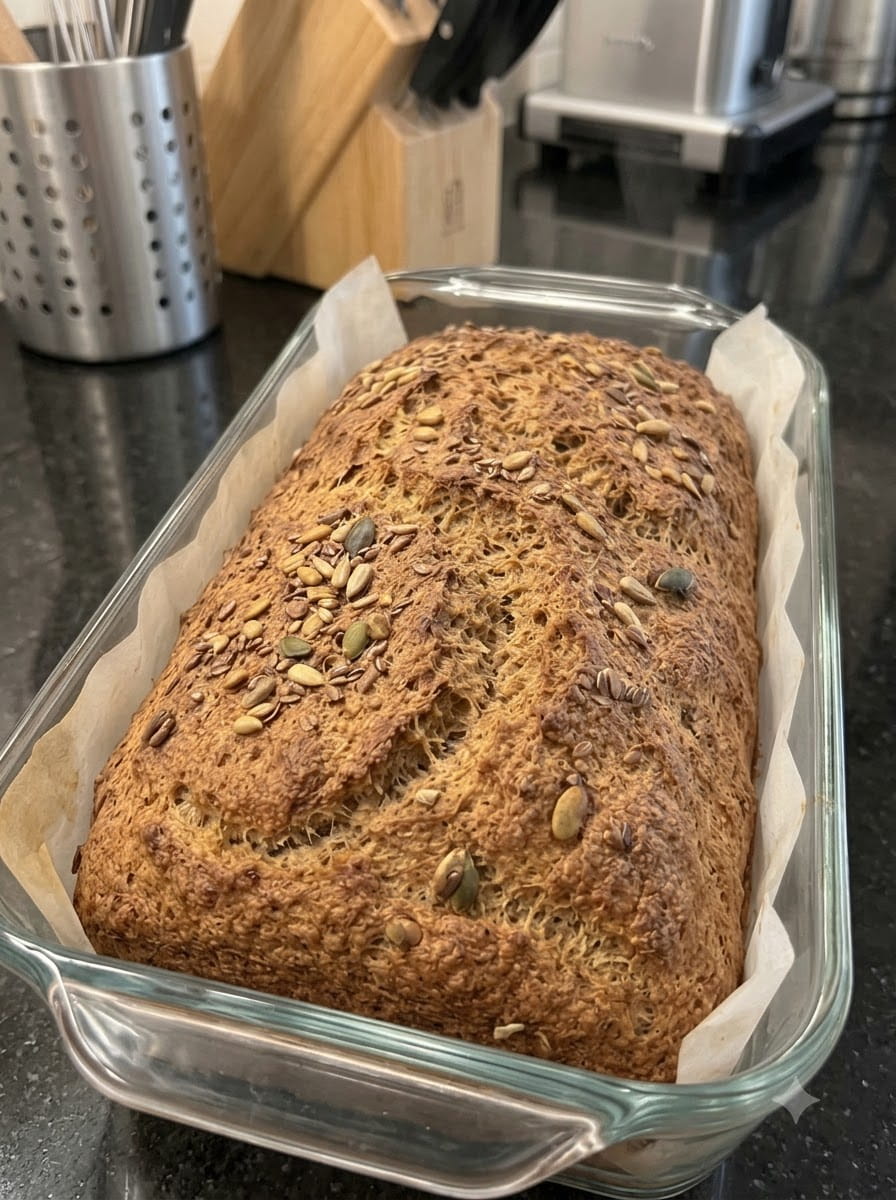
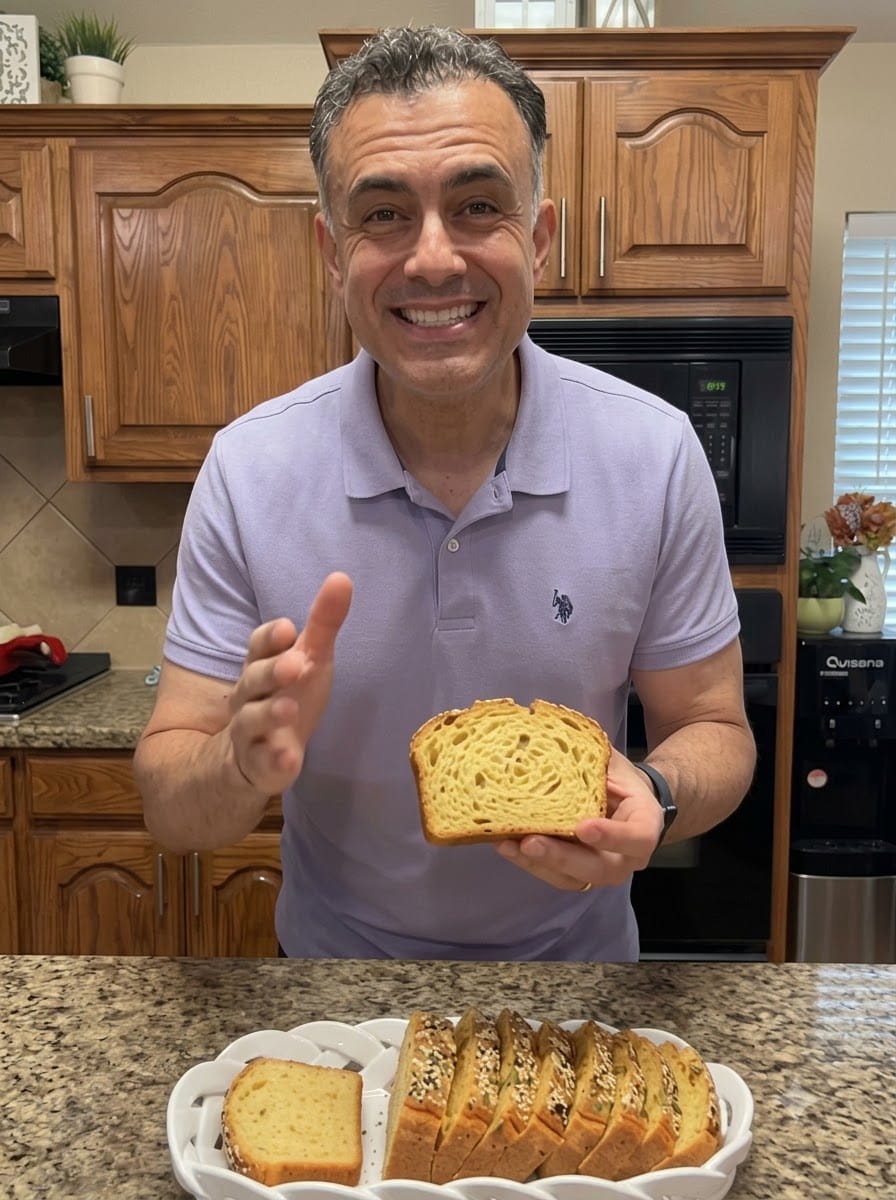
A golden, seed-covered crust with a soft, hearty center: that is exactly what you get from this easy red lentil bread. It is a homemade loaf made without wheat flour, without kneading, without yeast and without any proofing time. Just soaked lentils, eggs, Greek yogurt, a little baking powder and a handful of seeds. If you have been looking for a simple gluten-free bread recipe that is packed with plant-based protein and fiber, this is the one to bookmark.
Whether you want a sturdy slice for sandwiches, a warm piece of breakfast toast or a satisfying afternoon snack, this red lentil loaf delivers. It takes about ten minutes of hands-on work, and your blender does almost everything for you.
In this guide you will find the full recipe, step-by-step tips, ingredient swaps, storage advice, serving ideas and answers to the most common questions about lentil bread.
What Is Red Lentil Bread?
Red lentil bread is a flourless loaf made by blending soaked red lentils into a smooth batter, mixing in eggs and yogurt for structure and moisture, and baking it like a quick bread. Because lentils are naturally gluten-free and full of starch and protein, they can form a batter that sets into a sliceable loaf in the oven.
It does not taste or feel exactly like a wheat sandwich loaf, and that is part of its charm. The texture is moist, tender and slightly dense, similar to a firm quick bread, with a mild, earthy flavor. The crust turns golden and lightly crisp, especially when topped with seeds.
Why You’ll Love This Recipe
It is naturally gluten-free. There is no wheat, rye or barley in the ingredient list, which makes this loaf a great option for anyone avoiding gluten. If you need it for celiac disease or a serious sensitivity, make sure your lentils, baking powder, yogurt and seeds are labeled gluten-free, as cross-contamination can happen during processing.
It is flourless. No almond flour, rice flour, coconut flour or special starches to buy. One main ingredient does the job.
It is high in plant-based protein and fiber. Lentils are one of the most nutritious pantry staples. Combined with eggs and Greek yogurt, this loaf is a filling, protein-rich bread that keeps you satisfied longer than many store-bought options.
It is incredibly simple. There is no yeast, no kneading, no rising and no shaping. If you can use a blender and a loaf pan, you can make this bread.
It uses just six ingredients. Red lentils, eggs, Greek yogurt, baking powder, salt and seeds. Most of these are probably already in your kitchen.
It is versatile. Toast it, grill it, pile it with sandwich fillings, or serve it alongside soup. It works for breakfast, lunch, dinner and snacks.
Ingredients You’ll Need

- 1½ cups (300 g) red lentils, uncooked
- 3 large eggs
- ½ cup plain Greek yogurt
- 1 teaspoon baking powder
- ½ teaspoon salt
- 2 tablespoons mixed seeds for topping
A Closer Look at Each Ingredient
Red lentils. Red (or split red) lentils are the best choice here because they have no tough outer skin, so they blend into a very smooth batter. They also cook quickly and have a mild flavor. Green or brown lentils can work in a pinch, but they usually give a coarser texture and a stronger, earthier taste.
Eggs. The eggs act as the main binder, helping the batter set into a firm, sliceable loaf. They also add richness, moisture and extra protein. Use large eggs at room temperature if possible, as they blend more evenly.
Plain Greek yogurt. Greek yogurt adds creaminess, a subtle tang and tenderness to the crumb. Its thickness helps keep the batter from becoming too runny. Choose a plain, unsweetened variety. Full-fat yogurt gives the softest, richest result, but low-fat works too.
Baking powder. A small amount of baking powder gives the loaf some lift so it is not overly dense. Check that yours is fresh, because old baking powder loses its power.
Salt. Lentils need salt to taste their best. Half a teaspoon seasons the whole loaf without making it salty.
Mixed seeds. The seed topping is what gives this loaf its bakery-style look and a pleasant crunch. Sunflower, pumpkin, sesame, flax and chia all work well. Use a single type or a mix.
How to Make Easy Red Lentil Bread
Step 1: Rinse and Soak the Lentils
Place the red lentils in a fine-mesh strainer and rinse them under cold running water until the water runs mostly clear. Then transfer them to a large bowl and cover with plenty of water, at least a few inches above the lentils, since they will absorb liquid and swell.
Let them soak for 3 to 4 hours. This step softens the lentils so they blend into a silky batter and also makes the finished bread easier to digest for many people. If you are short on time, you can soak them in warm water for a shorter period, but the full soak gives the best texture.
Step 2: Preheat the Oven and Prepare the Pan
Preheat your oven to 350°F (175°C). Line a standard loaf pan with parchment paper, leaving a little overhang on the long sides so you can lift the loaf out easily after baking. Parchment is important here, as lentil batter can stick stubbornly to a bare or only lightly greased pan.
Step 3: Drain the Lentils Very Well
This is one of the most important steps. Pour the lentils into a strainer and let them drain thoroughly, shaking the strainer a few times. Excess water leads to a gummy, wet center. The drier the lentils, the better the bread.
Step 4: Blend the Batter
Transfer the drained lentils to a blender. Add the eggs, Greek yogurt, baking powder and salt. Blend until the mixture is completely smooth and thick. You may need to stop and scrape down the sides once or twice.
The batter should resemble a thick pancake batter or a loose cake batter. It should pour slowly and hold its shape for a moment. If it seems too thick for your blender to move, add one tablespoon of water at a time, but be careful not to thin it too much.
Step 5: Pour and Smooth
Pour the batter into the prepared loaf pan. Use a spatula to spread it evenly into the corners and smooth the top. Tap the pan gently on the counter once or twice to release any large air bubbles.
Step 6: Add the Seed Topping
Sprinkle the mixed seeds evenly over the surface. You can gently press them into the batter with the back of a spoon so they stay in place during baking.
Step 7: Bake
Bake for 45 to 55 minutes. The bread is done when the top is golden, the loaf feels firm to the touch and a toothpick inserted in the center comes out clean or with just a few dry crumbs. If the seeds on top are browning too quickly, loosely cover the pan with a piece of foil for the last 10 to 15 minutes.
Ovens vary, so start checking at about 45 minutes. Because this is a dense, moist loaf, the center is the last part to set.
Step 8: Cool Properly
Let the bread cool in the pan for 10 to 15 minutes. Then use the parchment overhang to lift it out and transfer it to a wire rack. Allow it to cool completely before slicing. This is a crucial step. Slicing a warm lentil loaf can make it seem gummy, while a fully cooled loaf has a firmer, cleaner crumb.
Step 9: Slice and Serve
Use a sharp serrated knife and a gentle sawing motion to cut even slices. Serve with your favorite sandwich fillings, butter, cheese or sliced avocado.
Tips for the Best Red Lentil Bread
Do not skip the soaking. Dry or barely soaked lentils will leave you with a gritty texture. A full 3 to 4 hours makes a visible difference.
Drain thoroughly. Excess water is the number one cause of a gummy loaf. Give the lentils a good few minutes in the strainer.
Blend until perfectly smooth. A high-speed blender will give the smoothest batter. With a standard blender, blend a little longer and scrape the sides.
Use parchment paper. It guarantees easy removal and a neat loaf.
Be patient with cooling. The structure continues to set as the bread cools. Wait until it is fully at room temperature before slicing.
Toast your slices. Toasting brings out a nutty flavor and gives the slices a lovely crisp edge, which many people prefer to eating the bread untoasted.
Check doneness in the center. If a toothpick comes out wet, return the loaf to the oven for another 5 to 10 minutes.
Delicious Variations
Once you have the basic loaf down, it is easy to customize it.
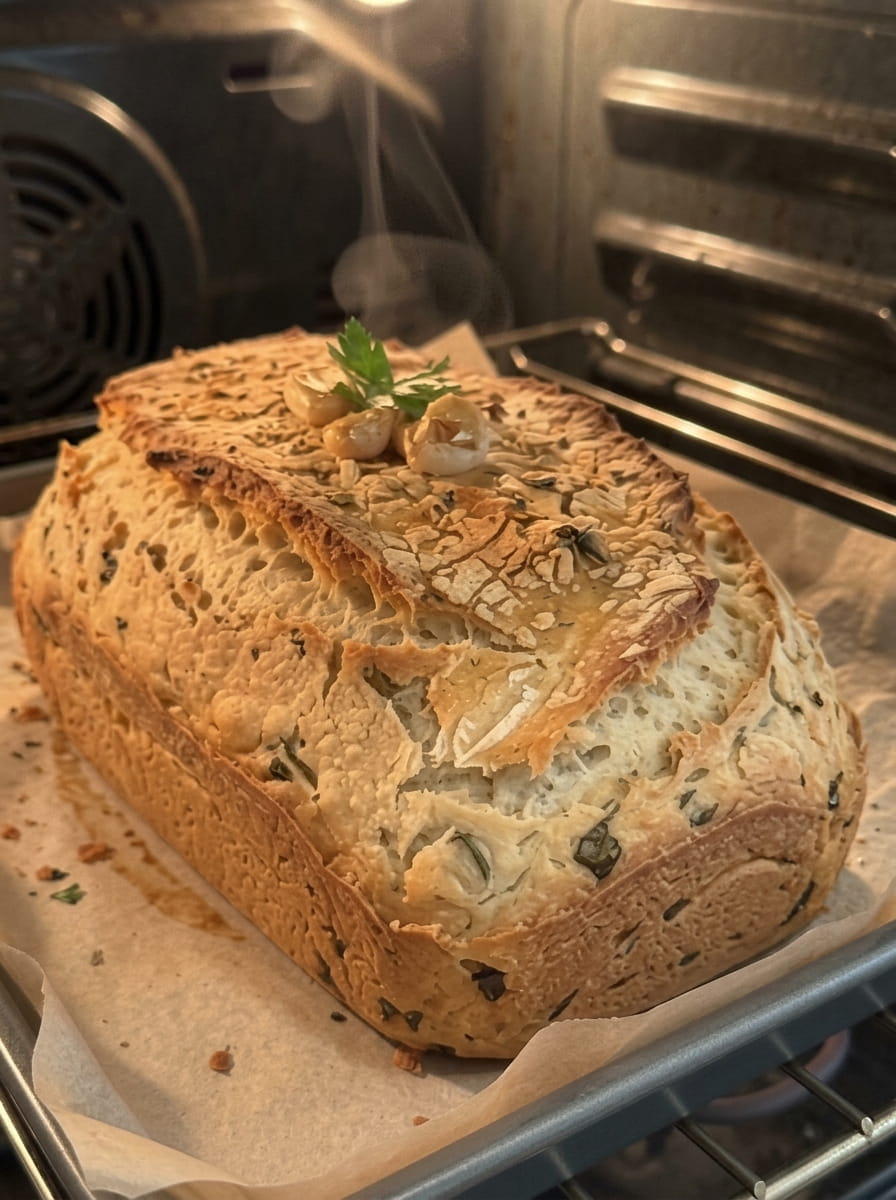
Herb and garlic lentil bread. Add 1 teaspoon of garlic powder and 1 to 2 teaspoons of dried herbs such as oregano, thyme or Italian seasoning to the blender. This version is wonderful with soup or pasta dishes.
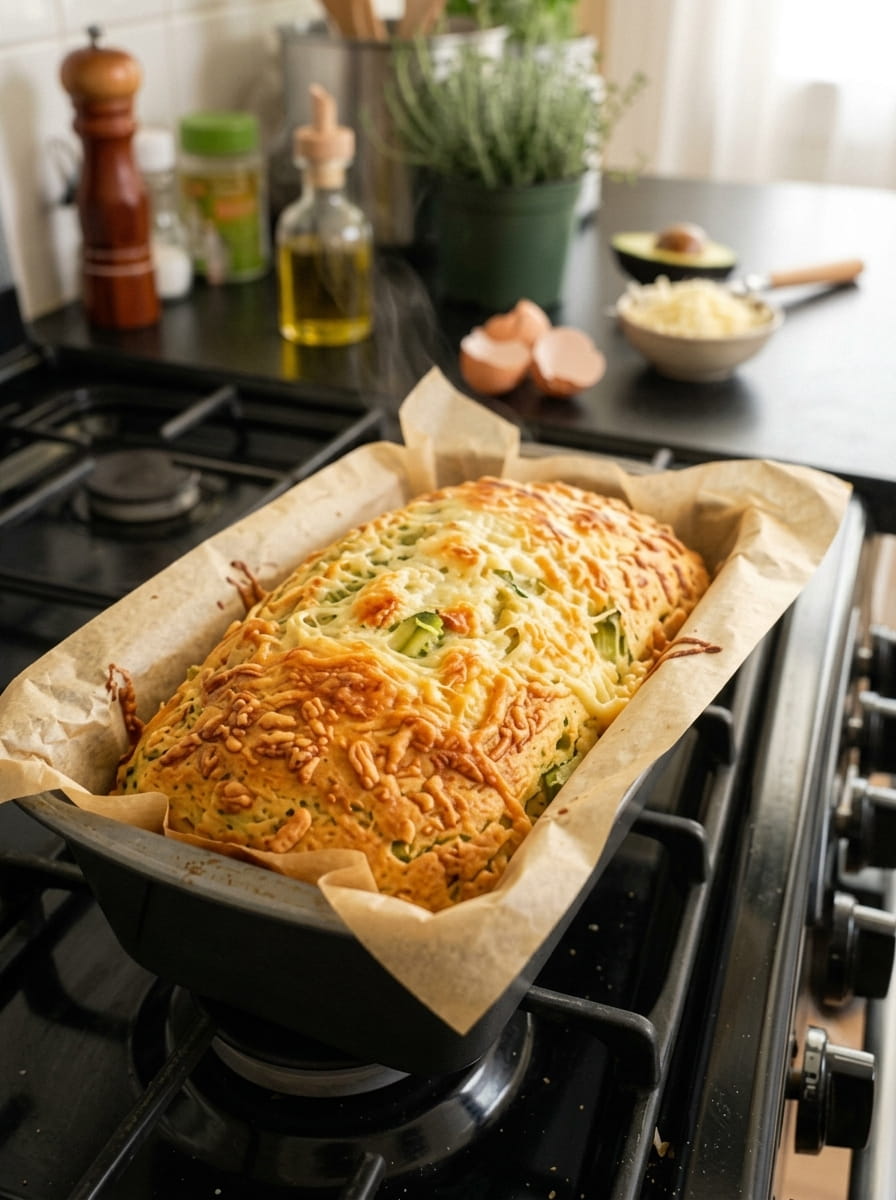
Cheesy lentil bread. Stir ¼ to ½ cup of shredded cheddar or Parmesan into the batter after blending, and sprinkle a little more on top.
Spiced lentil bread. Add ½ teaspoon of cumin, ½ teaspoon of turmeric or a pinch of paprika for a warm, savory flavor.
Everything-bagel style. Top the loaf with sesame seeds, poppy seeds, dried onion and garlic flakes before baking.
Sun-dried tomato and olive. Fold chopped sun-dried tomatoes and olives into the batter for a Mediterranean twist.
Dairy-free option. Replace the Greek yogurt with a thick unsweetened dairy-free yogurt. The texture may vary slightly, so make sure the batter is still thick.
Ingredient Substitutions
- Greek yogurt: Thick plain yogurt, skyr or a thick dairy-free yogurt can stand in. Avoid thin, runny yogurts.
- Eggs: Eggs are essential for structure in this recipe, and egg-free swaps may not produce the same result. If you need a vegan loaf, look for a recipe specifically developed without eggs.
- Mixed seeds: Use any seeds you like, or even rolled oats (certified gluten-free if needed) for a rustic look.
- Baking powder: Check the label if you are avoiding gluten, as some brands can include wheat-derived starch.
Serving Ideas
This bread is a blank canvas. Here are some of our favorite ways to enjoy it:
For breakfast:
- Toasted with mashed avocado, a pinch of salt and chili flakes
- Topped with a fried or poached egg
- Spread with cream cheese and sliced cucumber
- Served with nut butter and banana slices
For lunch:
- As a sandwich with turkey, lettuce and tomato
- With hummus, roasted vegetables and fresh greens
- Grilled with cheese for a hearty melt
- Alongside a bowl of vegetable or tomato soup
For dinner:
- Served warm with a big salad
- Cut into thick slices to scoop up stews
- Topped with sauteed mushrooms and herbs
For snacks:
- With butter and a sprinkle of sea salt
- Cut into fingers and served with a yogurt dip
- With sliced cheese and fruit
How to Store Red Lentil Bread
At room temperature: Keep the cooled loaf in an airtight container or wrapped in a clean kitchen towel for up to a day.
In the refrigerator: Because the bread contains eggs and yogurt and is quite moist, the fridge is the best place for longer storage. Wrap it well or keep it in an airtight container for up to 4 to 5 days.
In the freezer: Slice the cooled loaf, place parchment between the slices and freeze in a freezer-safe bag for up to 3 months. Toast slices straight from the freezer for a quick breakfast or lunch.
Reheating: A toaster, toaster oven or a dry skillet works best for refreshing slices and restoring a crisp exterior.
Nutrition and Health Benefits
Red lentils are a well-loved pantry staple for good reason. They are a source of plant-based protein, dietary fiber, iron, folate and other nutrients. Eggs add high-quality protein and Greek yogurt contributes additional protein and calcium. Seeds bring healthy fats and a bit of extra fiber and minerals.
Because this loaf contains no wheat flour, it is naturally gluten-free, and its protein and fiber content can help it feel more filling than many standard breads. As with any food, exact nutritional values depend on your specific ingredients and portion size. If you are following a special diet or managing a health condition, check with a doctor or registered dietitian to see how this bread fits into your eating plan.
Common Mistakes to Avoid
A gummy center. This is usually caused by insufficient draining, underbaking or slicing too soon. Drain well, bake until a toothpick comes out clean and cool completely.
Gritty texture. Under-soaked lentils or an underpowered blender are the usual culprits. Soak longer and blend longer.
A bread that is too dense. Old baking powder can cause this. Make sure yours is fresh. Also avoid adding extra liquid to the batter.
A very pale top. If your oven runs cool, bake a few extra minutes. The seeds also add color as they toast.
Sticking to the pan. Always line the pan with parchment paper.
Frequently Asked Questions
Is this red lentil bread really gluten-free?
The ingredients themselves are naturally gluten-free. If you need to avoid gluten strictly, choose products that are labeled gluten-free, because lentils and some other ingredients can be processed alongside wheat.
Do I have to soak the lentils?
Yes, soaking is highly recommended. It softens the lentils for a smooth batter and a better texture. Unsoaked lentils are unlikely to blend properly.
Can I use green or brown lentils instead of red?
You can, but the result will be different. Red lentils produce the smoothest, mildest and lightest loaf. Green and brown lentils tend to be more earthy and coarser.
What does lentil bread taste like?
It has a mild, slightly nutty and earthy flavor. The yogurt adds a gentle tang, and the seeds add crunch. Many people find the taste even better once the slices are toasted.
Why is my lentil bread wet inside?
Most often it needs more baking time, or the lentils were not drained well enough. Let it bake a little longer and always cool it completely before cutting.
Can I make it in a different pan?
Yes. A smaller or larger loaf pan will work, though baking time will change. A thinner loaf bakes faster. You can also bake the batter in a square pan for flatter, sandwich-style slices, checking for doneness earlier.
Can I make this bread ahead of time?
Absolutely. It keeps well in the fridge for several days and freezes beautifully, making it ideal for meal prep.
Can I add more seeds into the batter?
Yes. A couple of tablespoons of chia, flax or sunflower seeds blended or stirred in can add texture and nutrition. Keep the overall batter consistency thick.
Is this bread suitable for sandwiches?
Yes, once fully cooled it slices well and holds up to fillings. Toasting the slices makes it even sturdier.
Is it low-carb or keto?
Lentils are a source of carbohydrates, so this bread is not considered keto. It is, however, a flourless and wheat-free option.
Final Thoughts
This easy red lentil bread proves that you do not need wheat flour, yeast or complicated techniques to enjoy a delicious homemade loaf. With its golden, seed-covered crust, soft and hearty center and simple ingredient list, it is a wholesome addition to your homemade bread collection.
Soak the lentils, blend the batter, pour it into the pan and let the oven do the rest. In under an hour of baking, you will have a gluten-free, protein-packed loaf ready for sandwiches, toast and snacks all week long.
Give it a try, and do not forget to play with the variations. Once you master the base recipe, you will want to make this lentil bread again and again.
Print
Easy Red Lentil Bread – No Flour, No Gluten
Ingredients
- 1½ cups (300 g) red lentils, uncooked
- 3 large eggs
- ½ cup plain Greek yogurt
- 1 teaspoon baking powder
- ½ teaspoon salt
- 2 tablespoons mixed seeds for topping
Instructions
Place the red lentils in a fine-mesh strainer and rinse them under cold running water until the water runs mostly clear. Then transfer them to a large bowl and cover with plenty of water, at least a few inches above the lentils, since they will absorb liquid and swell.
Let them soak for 3 to 4 hours. This step softens the lentils so they blend into a silky batter and also makes the finished bread easier to digest for many people. If you are short on time, you can soak them in warm water for a shorter period, but the full soak gives the best texture.
Preheat your oven to 350°F (175°C). Line a standard loaf pan with parchment paper, leaving a little overhang on the long sides so you can lift the loaf out easily after baking. Parchment is important here, as lentil batter can stick stubbornly to a bare or only lightly greased pan.
This is one of the most important steps. Pour the lentils into a strainer and let them drain thoroughly, shaking the strainer a few times. Excess water leads to a gummy, wet center. The drier the lentils, the better the bread.
Transfer the drained lentils to a blender. Add the eggs, Greek yogurt, baking powder and salt. Blend until the mixture is completely smooth and thick. You may need to stop and scrape down the sides once or twice.
The batter should resemble a thick pancake batter or a loose cake batter. It should pour slowly and hold its shape for a moment. If it seems too thick for your blender to move, add one tablespoon of water at a time, but be careful not to thin it too much.
Pour the batter into the prepared loaf pan. Use a spatula to spread it evenly into the corners and smooth the top. Tap the pan gently on the counter once or twice to release any large air bubbles.
Sprinkle the mixed seeds evenly over the surface. You can gently press them into the batter with the back of a spoon so they stay in place during baking.
Bake for 45 to 55 minutes. The bread is done when the top is golden, the loaf feels firm to the touch and a toothpick inserted in the center comes out clean or with just a few dry crumbs. If the seeds on top are browning too quickly, loosely cover the pan with a piece of foil for the last 10 to 15 minutes.
Ovens vary, so start checking at about 45 minutes. Because this is a dense, moist loaf, the center is the last part to set.
Let the bread cool in the pan for 10 to 15 minutes. Then use the parchment overhang to lift it out and transfer it to a wire rack. Allow it to cool completely before slicing. This is a crucial step. Slicing a warm lentil loaf can make it seem gummy, while a fully cooled loaf has a firmer, cleaner crumb.
Use a sharp serrated knife and a gentle sawing motion to cut even slices. Serve with your favorite sandwich fillings, butter, cheese or sliced avocado.