
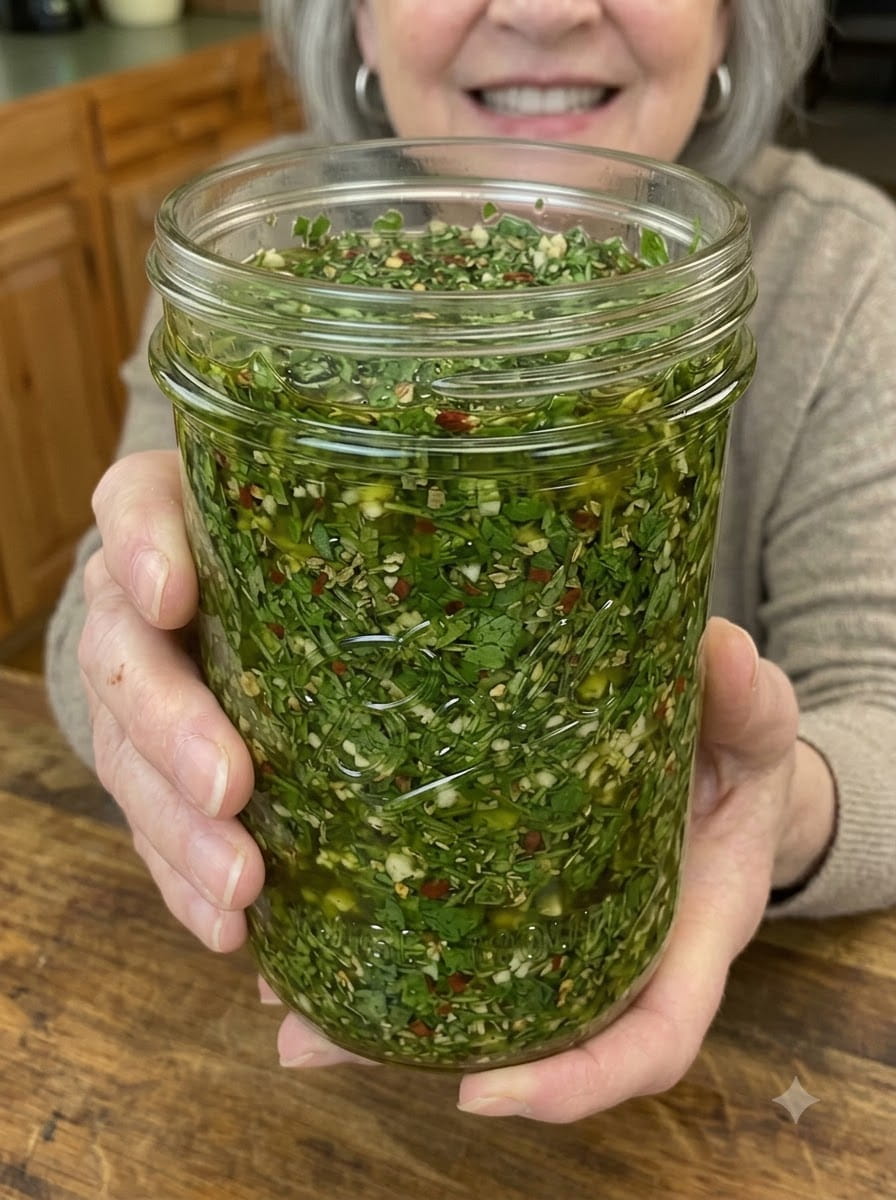
Homemade Chimichurri Sauce: Fresh, Herby, Zesty, and Perfect for Grilled Meats
If there is one sauce that can transform a simple grilled steak into something special, it’s chimichurri. This homemade chimichurri sauce is fresh, herby, zesty, and bursting with bright flavor. Fresh parsley, cilantro, garlic, olive oil, and tangy vinegar come together to create a vibrant green sauce that’s bold, refreshing, and incredibly easy to make.
There is no cooking, no blender required, and no long ingredient list. You chop, stir, and let the flavors mingle for a few minutes. Spoon it over grilled steak, chicken, shrimp, or vegetables, drizzle it over roasted potatoes, or use it as a flavorful marinade for your favorite meats. In this guide, you’ll find the full recipe, step-by-step instructions, ingredient notes and substitutions, tips for the best texture, troubleshooting, variations, serving ideas, storage guidance, and answers to the questions people ask most about chimichurri.
What Is Chimichurri Sauce?
Chimichurri is a fresh, uncooked herb sauce that is a staple of Argentine and Uruguayan cooking, where it is traditionally served with grilled meats, especially steak. At its core, it is finely chopped parsley and garlic combined with olive oil and vinegar, seasoned with dried oregano, salt, and a little heat from red pepper flakes. It is loose and spoonable rather than smooth, with tiny flecks of herbs suspended in glossy oil.
There are two main styles. Green chimichurri, like this recipe, is the most familiar, made with fresh herbs and a sharp, tangy edge. Red chimichurri adds roasted red pepper or paprika and tomato. Many cooks have their own variations, and this version adds fresh cilantro and a splash of lemon juice for extra brightness. The result is a sauce that tastes like a mix of herbs, garlic, citrus, and a gentle kick, rich enough from the olive oil to coat meat and vegetables, and sharp enough from the vinegar to cut through richness.
Why You’ll Love This Recipe
Big flavor in minutes. The sauce comes together in about 15 minutes, plus a short rest.
No cooking required. There’s no stove, no oven, and no heat.
Simple ingredients. Fresh herbs, garlic, olive oil, vinegar, lemon, and a few pantry spices are all you need.
Incredibly versatile. It works as a sauce, a marinade, a dressing, a dip, and a spread.
Fresh and vibrant. Parsley, cilantro, and lemon make it taste bright, clean, and alive.
Makes everything better. A spoonful transforms plain grilled meats, roasted vegetables, eggs, and sandwiches.
Customizable. You control the garlic, the heat, and the tang.
Perfect for entertaining. It looks beautiful in a bowl on the table and goes with so many dishes.
Ingredients You’ll Need
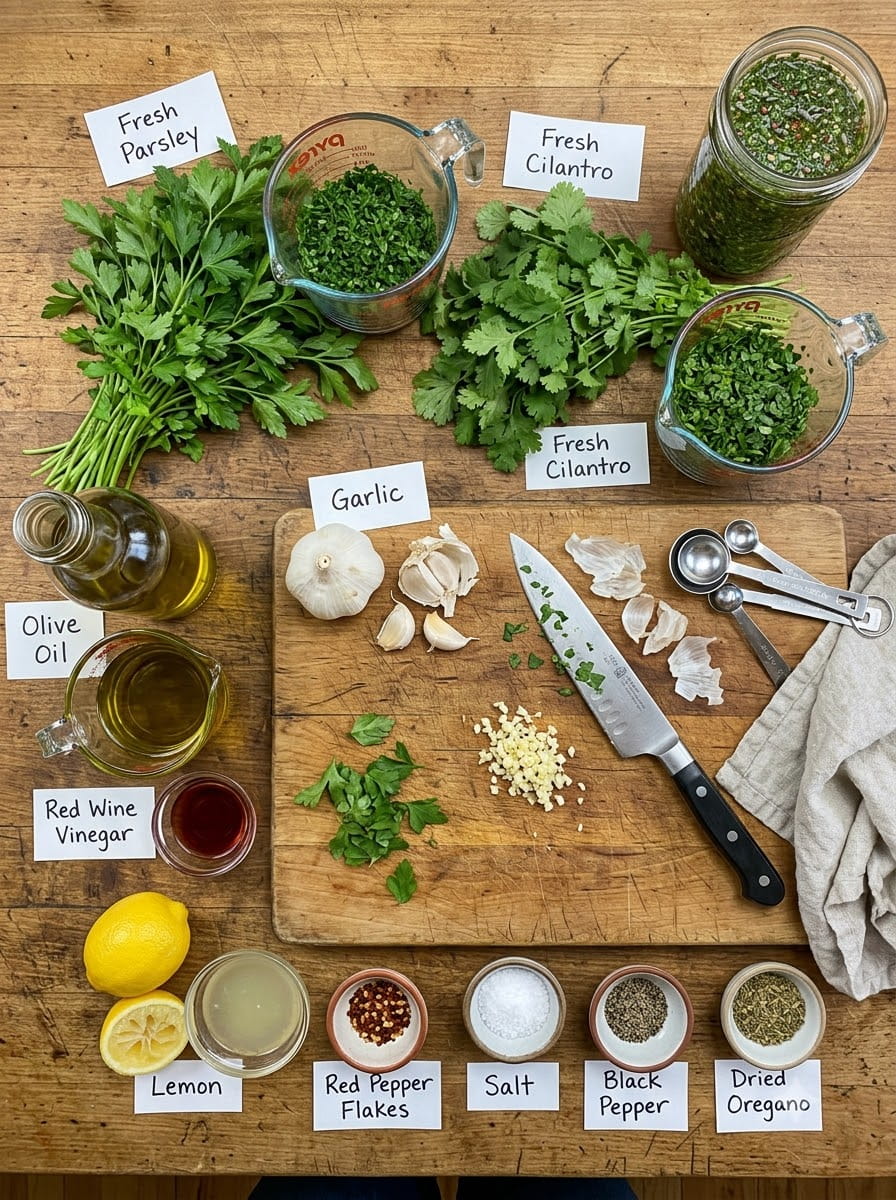
- 1 cup fresh parsley, finely chopped
- 1/2 cup fresh cilantro, finely chopped
- 4 garlic cloves, finely minced
- 1/2 cup extra virgin olive oil
- 3 tablespoons red wine vinegar
- 1 tablespoon fresh lemon juice
- 1/2 teaspoon red pepper flakes
- 1/2 teaspoon salt
- 1/4 teaspoon black pepper
- 1 teaspoon dried oregano
You will also need a sharp knife, a cutting board, a medium bowl, and a jar or airtight container for storage.
Ingredient Notes and Substitutions
Because the ingredient list is short, each ingredient matters. Here is what to look for and how to substitute.
Fresh Parsley
Parsley is the backbone of chimichurri. Flat-leaf (Italian) parsley has a cleaner, more robust flavor than curly parsley and is easier to chop finely, so it is generally the better choice. Choose bright green bunches with no yellowing or wilting. Wash and dry the parsley thoroughly before chopping, since water will dilute the sauce and make the herbs clump and bruise. A salad spinner or clean kitchen towels work well. Use the leaves and the tender upper stems, and discard the thick lower stems.
Fresh Cilantro
Cilantro adds a bright, citrusy, slightly peppery note. Some people find cilantro tastes soapy because of a genetic trait. If that’s you, simply replace the cilantro with additional parsley, which gives a more traditional Argentine flavor. Fresh basil or mint can add a different twist, though they change the character of the sauce.
Garlic
Four cloves of finely minced garlic give the sauce its pungent, savory punch. Because the garlic is raw, mince it very finely so it distributes evenly and doesn’t create harsh bites. If you find raw garlic too sharp, you can let the minced garlic sit in the vinegar for 5 to 10 minutes before adding the other ingredients, which softens its edge. Use fresh garlic, not jarred, for the best flavor. Garlic powder is not a good substitute here.
Extra Virgin Olive Oil
Olive oil carries the flavors and gives chimichurri its glossy, rich body. Because it is a major component, use one you enjoy the taste of. A mild, fruity extra virgin olive oil works better than a very bitter, peppery one, which can overpower the herbs. Don’t substitute a neutral oil unless you must, since you’ll lose some of the character.
Red Wine Vinegar
Red wine vinegar is the classic acid in chimichurri, bringing a tangy, slightly fruity sharpness. White wine vinegar is a close substitute, and sherry vinegar adds a rounder flavor. Apple cider vinegar works in a pinch. Avoid balsamic vinegar, which is too sweet and dark for this sauce.
Fresh Lemon Juice
A tablespoon of lemon juice lifts the sauce and gives it a clean, bright finish. Use freshly squeezed juice for the best flavor.
Red Pepper Flakes
Red pepper flakes add gentle heat. Half a teaspoon gives a mild warmth that most people enjoy. Increase it for a spicier sauce, or reduce it for a milder one. For a fresher heat, finely mince a small fresh chile, such as a jalapeño or Fresno, in place of the flakes.
Salt and Black Pepper
Salt makes the herbs taste brighter and balances the acidity. Use a fine salt that dissolves easily. Because the sauce is served on meats that are also seasoned, taste carefully and adjust at the end.
Dried Oregano
Dried oregano adds the earthy, savory note that is traditional in chimichurri. Dried oregano is generally preferred over fresh in this sauce because its flavor is more concentrated and pairs well with the vinegar. Rub it between your fingers as you add it to release its oils.
How to Make Chimichurri Sauce (Step by Step)
Follow these steps for a vibrant, flavorful sauce every time.
Step 1: Chop the Herbs and Garlic
Finely chop the fresh parsley, cilantro, and garlic. Use a sharp knife and chop until the herbs are small and fluffy but not mushy, similar to confetti. Transfer everything to a medium bowl. Make sure the herbs are completely dry before chopping, and use a very sharp knife so you slice rather than bruise the leaves.
Step 2: Add the Seasonings and Acid
Add the red wine vinegar, fresh lemon juice, dried oregano, red pepper flakes, salt, and black pepper to the bowl. Stir briefly to combine. Adding the vinegar and seasonings first lets the salt dissolve and the garlic mellow slightly before the oil goes in.
Step 3: Add the Olive Oil
Pour in the extra virgin olive oil and stir gently until all the ingredients are evenly combined. The sauce should look loose and spoonable, with the herbs suspended in the oil.
Step 4: Let It Rest
Let the sauce rest for 15 to 20 minutes to allow the herbs, garlic, and seasonings to develop their flavor. The flavors meld, the garlic softens, and the herbs relax into the oil. You can rest it at room temperature for this short time. If you plan to hold it longer, refrigerate it.
Step 5: Taste and Adjust
Taste and adjust the salt, vinegar, or lemon juice to your preference. If it tastes flat, add a pinch of salt. If it is too sharp, add a splash more oil. If it needs brightness, add a little more lemon juice or vinegar.
Step 6: Serve
Spoon over grilled steak, chicken, seafood, or roasted vegetables and enjoy this fresh, zesty, flavor-packed sauce.
Tips for the Best Chimichurri
- Dry the herbs thoroughly. Wet herbs dilute the sauce and turn it muddy.
- Chop by hand if you can. Hand chopping gives the best texture, with distinct flecks of herbs. A food processor can work, but pulse briefly to avoid turning it into a paste.
- Use a sharp knife. It prevents bruising and keeps the color bright.
- Mince the garlic very finely. Large pieces can be harsh.
- Don’t skip the rest. Fifteen to twenty minutes makes a noticeable difference.
- Taste and adjust at the end. Acid and salt balance varies by ingredient.
- Stir before serving. The oil and vinegar separate as the sauce sits.
- Use good olive oil. It is a major part of the flavor.
- Let it come to room temperature. If you’ve refrigerated the sauce, let it sit for 15 to 20 minutes so the oil loosens.
- Make it fresh when you can. The color and flavor are brightest in the first day or two.
Chopping by Hand vs. Using a Food Processor
Traditional chimichurri is chopped by hand, which gives it a rustic, textured look and a bright, fresh flavor. If you’re short on time, a food processor is a handy shortcut, but there are a few things to keep in mind.
Pulse, don’t blend. Short pulses chop the herbs without turning them into a smooth purée. Over-processing releases bitter compounds and makes the sauce dark and pasty.
Chop the herbs and garlic first. Add the oil and vinegar afterward and stir by hand.
Dry herbs completely. Even more important in a processor, where water makes a muddy paste.
If you prefer a smoother sauce, blend a little longer, though it will taste a bit different from traditional chimichurri.
Troubleshooting Common Problems
The sauce tastes bitter. Over-processing the herbs, using bitter olive oil, or including thick parsley stems can cause bitterness. Chop by hand, use a milder olive oil, and use mostly leaves.
The sauce is too sharp or acidic. Add a splash more olive oil, or a pinch of salt or sugar to balance.
The sauce is too oily. Add a bit more vinegar or lemon juice, and chop in more herbs.
The garlic is too strong. Reduce the garlic next time, or let it sit in the vinegar for several minutes before adding the other ingredients.
The sauce is dull or brown. Herbs lose their bright color when bruised or stored too long, or when they sit in acid for a long time. Use a sharp knife and serve it fresh.
It’s not spicy enough. Add more red pepper flakes or minced fresh chile.
It’s too spicy. Add more herbs and oil to dilute the heat, or serve it with milder foods.
The sauce is watery. The herbs were probably wet. Dry them well next time, and add more chopped herbs or a splash more oil.
The flavor is flat. Add salt and a squeeze of lemon, and let the sauce rest a few more minutes.
Flavor Variations to Try
Classic Argentine Chimichurri. Skip the cilantro and use 1 1/2 cups of parsley.
Spicy Chimichurri. Add a minced jalapeño, serrano, or Fresno chile.
Red Chimichurri. Add 1 tablespoon of smoked paprika and a few tablespoons of finely diced roasted red pepper.
Lemon Herb Chimichurri. Add lemon zest and an extra tablespoon of lemon juice.
Mint Chimichurri. Replace the cilantro with fresh mint, which pairs well with lamb.
Basil Chimichurri. Add fresh basil for a more Italian-leaning flavor.
Shallot Chimichurri. Add 1 to 2 tablespoons of finely minced shallot for a mild, sweet onion flavor.
Creamy Chimichurri. Stir a spoonful into mayonnaise, Greek yogurt, or sour cream for a creamy dip or sandwich spread.
Honey Chimichurri. Add a teaspoon of honey to balance the acidity.
How to Use Chimichurri Sauce
Chimichurri is one of the most versatile sauces you can keep in your kitchen. Here are some of the best ways to use it.
- Grilled steak. The classic pairing. Spoon it over sliced skirt steak, flank steak, ribeye, or sirloin.
- Grilled chicken. Use as a sauce, or marinate chicken in a portion of the sauce before grilling.
- Shrimp and fish. Spoon over grilled shrimp, salmon, swordfish, or white fish.
- Roasted vegetables. Drizzle over roasted potatoes, carrots, cauliflower, or grilled asparagus and zucchini.
- Pork and lamb. Serve with grilled pork chops, pork tenderloin, or lamb chops.
- Eggs. Spoon over fried eggs, scrambled eggs, or avocado toast.
- Sandwiches and burgers. Use as a zesty spread on steak sandwiches, burgers, and wraps.
- Tacos and bowls. Add to tacos, rice bowls, and grain bowls.
- Pasta and grains. Toss with warm pasta, rice, or quinoa.
- Grilled bread. Spoon over toasted baguette slices for an easy appetizer.
- Dip. Serve with warm bread or vegetables.
- Marinade. Use some of the sauce to marinate meats for 30 minutes to a few hours.
- Soups. Swirl a spoonful into a bowl of bean soup or vegetable soup.
Using Chimichurri as a Marinade
Chimichurri works as both a marinade and a finishing sauce. If you want to marinate, set aside a portion of the sauce for marinating, and keep a separate portion for serving, so you never reuse sauce that has touched raw meat. Marinate chicken, steak, or pork for 30 minutes up to several hours in the refrigerator. Because the sauce contains vinegar and lemon juice, avoid marinating for too long, especially seafood, which can turn mushy in acid. For fish and shrimp, 15 to 30 minutes is plenty.
Storage Information
This recipe doesn’t specify storage, so here are general guidelines. Chimichurri is best fresh, when the herbs are brightest, but it keeps well in the refrigerator. Store it in an airtight jar or container in the refrigerator for up to about 1 week. The color may darken a little over time. Let the sauce sit at room temperature for 15 to 20 minutes before serving, then stir well, since the oil may firm up and the ingredients will settle.
Because the sauce contains raw garlic in oil, it should be kept refrigerated and not stored at room temperature for long periods. Garlic in oil can create conditions where harmful bacteria can grow if left unrefrigerated, so refrigerate promptly and use within the recommended time. If you leave the sauce out during a meal, return it to the refrigerator afterward.
Freezing: Chimichurri freezes well. Spoon it into ice cube trays, freeze, and transfer the cubes to a freezer bag for up to about 3 months. Thaw in the refrigerator and stir. The color and texture may change slightly, but the flavor remains good.
Signs of spoilage: An off or sour smell, mold, or an unusually slimy texture mean the sauce should be discarded.
Nutrition Notes
Chimichurri is made mostly of herbs, olive oil, and vinegar. The olive oil makes it calorie-dense, but it is used in small spoonfuls, and it adds flavor without needing much else. The exact nutrition depends on serving size. For precise numbers, enter your ingredients and portion size into a recipe nutrition calculator.
Common Mistakes to Avoid
Using wet herbs. They dilute the sauce and make it muddy.
Over-processing in a blender. It turns the sauce into a bitter, dark paste.
Using a dull knife. It bruises the herbs.
Skipping the rest. The flavors need time to meld.
Using too much garlic. Raw garlic can overpower the herbs.
Using low-quality or bitter olive oil. It’s a major flavor.
Skipping the taste test. Adjust the salt and acidity at the end.
Leaving it out at room temperature. Keep it refrigerated.
Storing it too long. The color and flavor are best in the first few days.
Frequently Asked Questions
How long does chimichurri last in the fridge?
Store it in an airtight container in the refrigerator for up to about 1 week. The color may darken, but it will still taste good.
Can I freeze chimichurri?
Yes. Freeze it in ice cube trays and transfer the cubes to a freezer bag for up to about 3 months.
Can I make chimichurri ahead of time?
Yes. You can make it a day or two ahead, though it tastes brightest when fresh. Let it rest at room temperature for 15 to 20 minutes before serving and stir well.
Do I have to use cilantro?
No. Traditional Argentine chimichurri uses only parsley. If you dislike cilantro, substitute more parsley.
Can I use dried herbs instead of fresh?
Fresh herbs are essential to the character of the sauce, so dried parsley and cilantro aren’t recommended. The only dried herb in this recipe is the oregano.
Can I make it in a food processor?
Yes. Pulse briefly to chop the herbs, and avoid over-blending. Hand chopping gives the best texture.
Why is my chimichurri bitter?
Over-processing, bitter olive oil, or thick parsley stems can cause bitterness. Chop by hand, use mostly leaves, and use a milder olive oil.
Why did my chimichurri turn brown?
Bruised herbs, acid, and time all cause herbs to darken. Use a sharp knife, and serve the sauce fresh.
Is chimichurri spicy?
This version is mild, with a gentle kick from the red pepper flakes. Add more for heat.
What is the best vinegar for chimichurri?
Red wine vinegar is the classic. White wine vinegar and sherry vinegar also work well.
What meat goes best with chimichurri?
Grilled steak is the classic pairing, but it’s also excellent with chicken, pork, lamb, shrimp, and fish.
Can I use chimichurri as a marinade?
Yes. Marinate meat for 30 minutes to a few hours, and don’t reuse marinade that touched raw meat as a sauce.
Is chimichurri gluten-free and vegan?
As written, the ingredients are naturally gluten-free and vegan, but always check labels on packaged ingredients like vinegar and spices.
Can I make it less garlicky?
Yes. Use fewer cloves, or let the minced garlic soak in the vinegar for several minutes to soften its bite.
Can I use it as a dip or dressing?
Yes. Serve it as a dip for bread, or whisk it with a little extra oil and vinegar for a salad dressing.
Final Thoughts
This homemade chimichurri sauce is proof that a handful of fresh ingredients can make a dish unforgettable. Parsley, cilantro, garlic, olive oil, and tangy vinegar come together in minutes to make a vibrant, herby, zesty sauce that elevates everything it touches.
Make a batch before your next cookout, spoon it over grilled steak or chicken, and keep leftovers for eggs, sandwiches, and roasted vegetables. Once you have a jar of chimichurri in your refrigerator, you’ll find reasons to use it on almost everything.
Did you try this recipe? Leave a comment and rating below, and tell us how you like to use your homemade chimichurri sauce. Don’t forget to save this recipe on Pinterest for later! 🌿🧄🍋
Print
Chimichurri Sauce
Ingredients
Ingredients You’ll Need
- 1 cup fresh parsley, finely chopped
- 1/2 cup fresh cilantro, finely chopped
- 4 garlic cloves, finely minced
- 1/2 cup extra virgin olive oil
- 3 tablespoons red wine vinegar
- 1 tablespoon fresh lemon juice
- 1/2 teaspoon red pepper flakes
- 1/2 teaspoon salt
- 1/4 teaspoon black pepper
- 1 teaspoon dried oregano
You will also need a sharp knife, a cutting board, a medium bowl, and a jar or airtight container for storage.
Instructions
Follow these steps for a vibrant, flavorful sauce every time.
Finely chop the fresh parsley, cilantro, and garlic. Use a sharp knife and chop until the herbs are small and fluffy but not mushy, similar to confetti. Transfer everything to a medium bowl. Make sure the herbs are completely dry before chopping, and use a very sharp knife so you slice rather than bruise the leaves.
Add the red wine vinegar, fresh lemon juice, dried oregano, red pepper flakes, salt, and black pepper to the bowl. Stir briefly to combine. Adding the vinegar and seasonings first lets the salt dissolve and the garlic mellow slightly before the oil goes in.
Pour in the extra virgin olive oil and stir gently until all the ingredients are evenly combined. The sauce should look loose and spoonable, with the herbs suspended in the oil.
Let the sauce rest for 15 to 20 minutes to allow the herbs, garlic, and seasonings to develop their flavor. The flavors meld, the garlic softens, and the herbs relax into the oil. You can rest it at room temperature for this short time. If you plan to hold it longer, refrigerate it.
Taste and adjust the salt, vinegar, or lemon juice to your preference. If it tastes flat, add a pinch of salt. If it is too sharp, add a splash more oil. If it needs brightness, add a little more lemon juice or vinegar.
Spoon over grilled steak, chicken, seafood, or roasted vegetables and enjoy this fresh, zesty, flavor-packed sauce.