
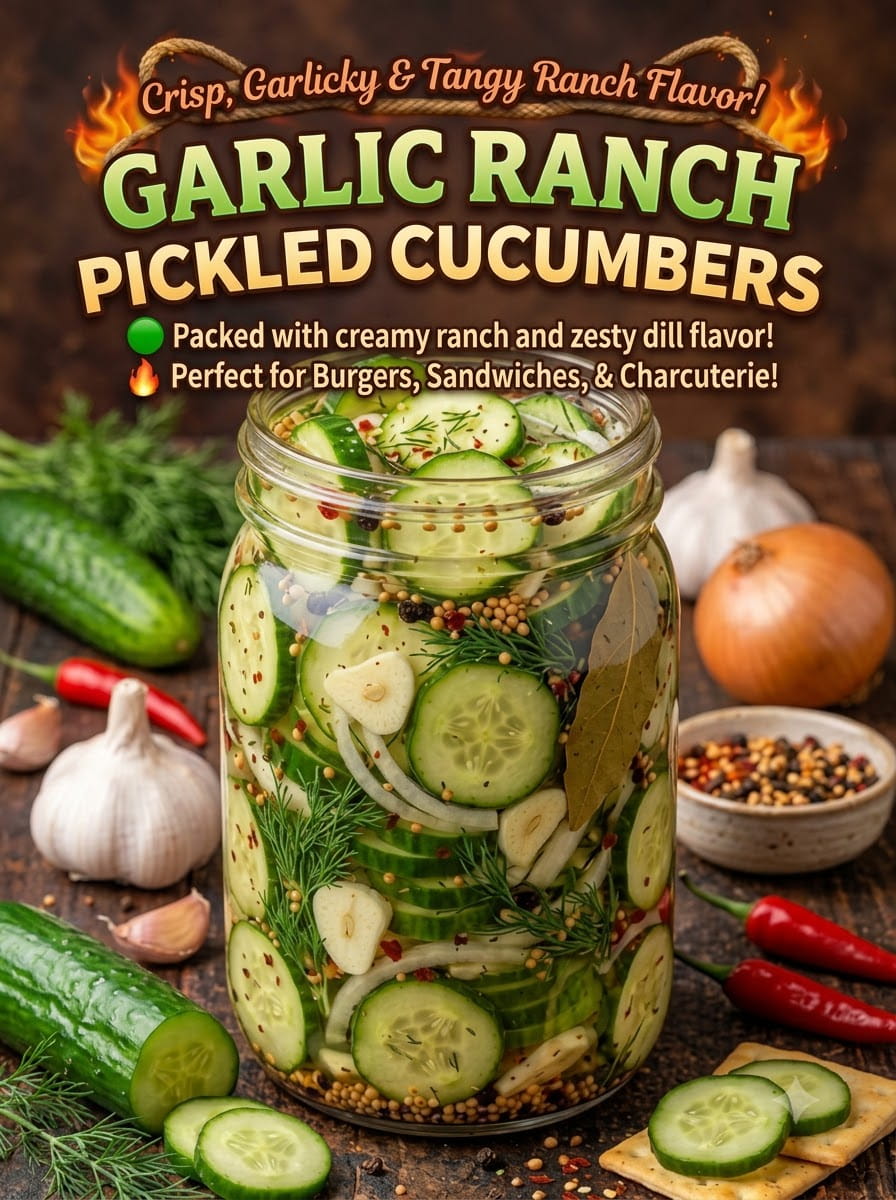
Garlic Ranch Pickled Cucumbers: The Crunchy, Tangy Snack You’ll Keep in Your Fridge All Summer
If you love dill pickles, adore ranch dressing, and cannot resist anything loaded with garlic, then these garlic ranch pickled cucumbers are about to become your new obsession. They are crisp, tangy, and deeply garlicky, with the creamy, herby flavor of ranch seasoning and a zesty dill kick in every crunchy bite. Best of all, they come together in about 20 minutes of hands-on time, with no canning equipment and no special skills required.
Whether you want a bright snack straight from the jar, a punchy topper for burgers, a crunchy side for sandwiches, or a showstopping addition to a charcuterie board, these ranch pickles do it all. In this guide, you’ll get the full recipe, step-by-step instructions, expert tips for the crunchiest results, flavor variations, serving ideas, storage advice, and answers to the most common questions about making refrigerator pickles at home.
What Are Garlic Ranch Pickled Cucumbers?
Garlic ranch pickled cucumbers are quick refrigerator pickles made by soaking fresh cucumbers in a seasoned vinegar brine. What sets them apart from a standard dill pickle is the addition of a full packet of ranch seasoning mix. Ranch seasoning is typically a blend of dried herbs and aromatics such as dill, parsley, chives, garlic powder, and onion powder. When it dissolves into a tangy vinegar brine, it gives the cucumbers a savory, herby, almost creamy flavor profile, even though there is no actual dairy involved.
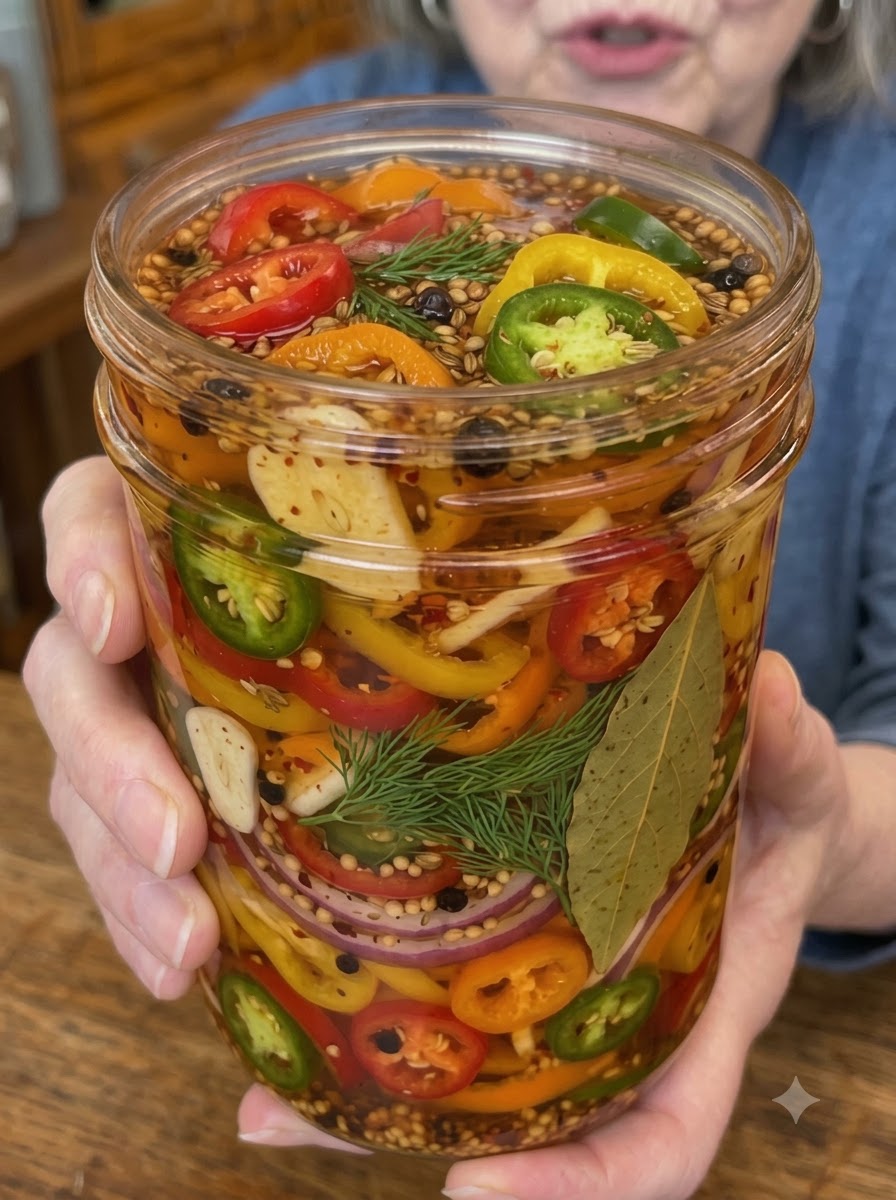
Layer in fresh sliced garlic, sweet onion, fresh dill, black peppercorns, mustard seeds, coriander seeds, celery seeds, and a pinch of crushed red pepper, and you end up with a pickle that tastes complex, bold, and completely addictive. Unlike traditional fermented or water-bath canned pickles, these are made with a simple warm brine and stored in the refrigerator, which means they stay wonderfully crisp and are ready to eat in as little as 24 hours.
Why You’ll Love This Recipe
There are plenty of pickle recipes out there, but this one earns its place in your regular rotation for several reasons.
Big flavor with simple steps. The ranch seasoning packet does a lot of the heavy lifting. Instead of measuring out a dozen dried herbs, you get a balanced, familiar flavor from a single ingredient, and the whole spice blend adds depth on top.
No canning required. This is a refrigerator pickle recipe. You don’t need a pressure canner, a water-bath canner, or specialized jars. A clean glass jar or airtight container is all you need.
Fast prep. You’ll spend about 15 minutes slicing and packing, and just 5 minutes heating the brine. The refrigerator does the rest.
Crunchy and refreshing. Using fresh pickling cucumbers and a warm (never boiling) brine helps preserve that satisfying snap.
Endlessly versatile. These pickles work as a snack, a sandwich topper, a side dish, a salad add-in, or a party appetizer. They are also a fantastic make-ahead option for summer cookouts, picnics, and game-day spreads.
Budget friendly. With inexpensive pantry staples and a couple of pounds of cucumbers, you can make a large jar of gourmet-style pickles for a fraction of the price of store-bought specialty brands.
Ingredients You’ll Need
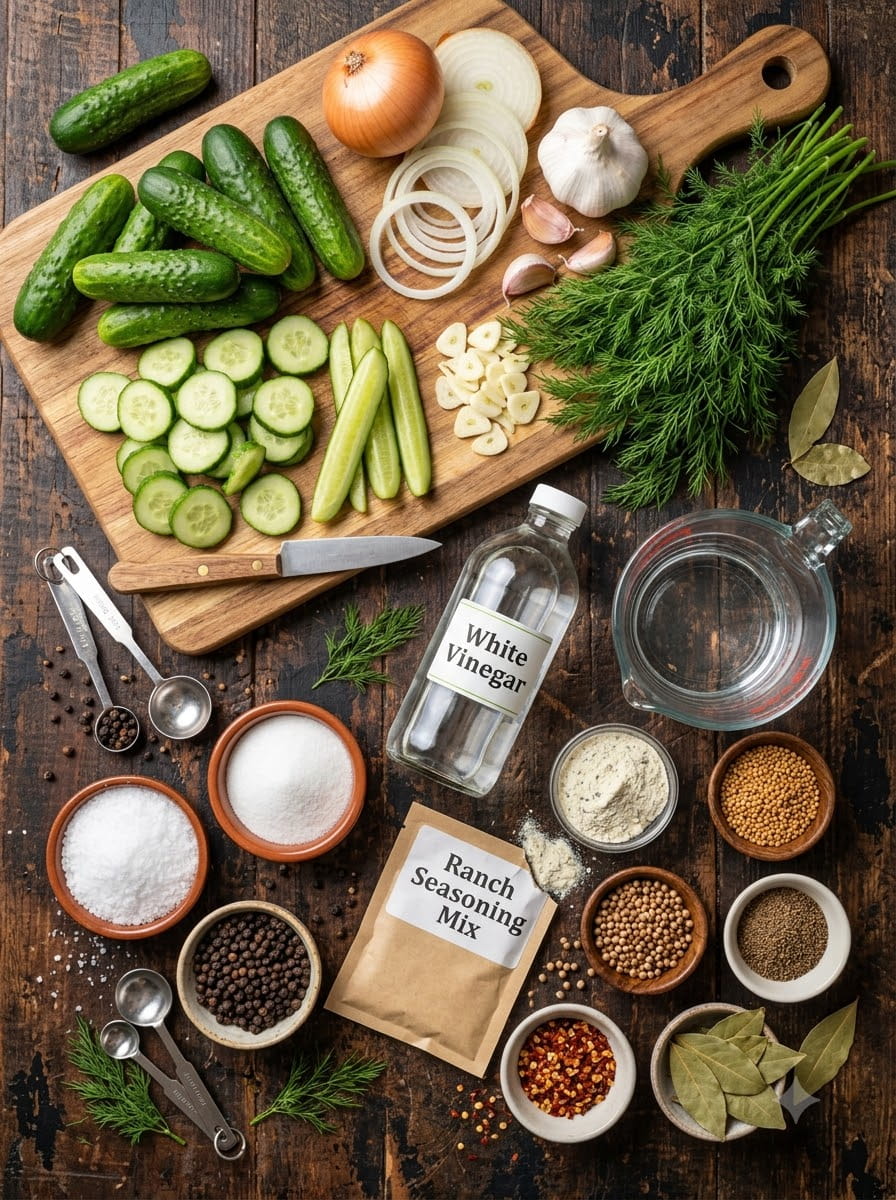
Here is everything you need to make about 10 servings of garlic ranch pickled cucumbers:
- 2 lbs pickling cucumbers, sliced into 1/4-inch rounds or spears
- 2 cups white vinegar
- 2 cups water
- 2 tbsp pickling salt or kosher salt
- 1 tbsp sugar
- 1 packet (1 oz) ranch seasoning mix
- 6 cloves garlic, thinly sliced
- 1 small sweet onion, thinly sliced
- 2 sprigs fresh dill (or 2 tsp dill seeds)
- 1 tsp whole black peppercorns
- 1 tsp mustard seeds
- 1 tsp coriander seeds
- 1/2 tsp celery seeds
- 1/2 tsp crushed red pepper flakes (optional)
- 2 bay leaves
Prep Time: 15 minutes Cook Time: 5 minutes Total Time: 20 minutes (plus pickling time) Servings: 10 Calories: about 30 per serving
Ingredient Notes and Substitutions
Understanding what each ingredient does will help you customize the recipe and troubleshoot if something doesn’t turn out the way you expect.
Pickling Cucumbers
Pickling cucumbers, often sold as Kirby cucumbers, are the best choice for this recipe. They are short, bumpy, and have thin skins, firm flesh, and small seeds, all of which help them stay crisp in brine. If you can’t find them, Persian cucumbers are a good second choice. English cucumbers can work in a pinch, but they hold less crunch and are better eaten within a week. Avoid waxed, thick-skinned slicing cucumbers whenever possible, because the wax coating blocks the brine from penetrating properly.
White Vinegar
Distilled white vinegar with 5% acidity gives a clean, sharp tang that lets the garlic, dill, and ranch flavors shine. Apple cider vinegar can be swapped in for a slightly fruity, mellow flavor, though it will darken the brine a little. Always check that your vinegar is labeled 5% acidity for reliable results.
Pickling Salt or Kosher Salt
Pickling salt is pure sodium chloride with no anti-caking agents, so it keeps the brine crystal clear. Kosher salt works well too. Avoid iodized table salt, which can make the brine cloudy and add a slightly off flavor. Note that different salts measure differently by volume, so stick with pickling salt or kosher salt as written.
Sugar
Just one tablespoon balances the sharpness of the vinegar without making the pickles sweet. If you prefer a more savory pickle, you can reduce it slightly. If you like a bread-and-butter style, you can increase it to 2 tablespoons.
Ranch Seasoning Mix
A standard 1 oz packet of ranch seasoning mix is the star ingredient. Both store-bought packets and homemade ranch seasoning blends will work. If you are making your own, aim for a blend rich in dried dill, parsley, chives, garlic powder, and onion powder. Choose a packet without added milk powder if you want a clearer brine, though a little cloudiness from the seasoning is completely normal.
Fresh Garlic
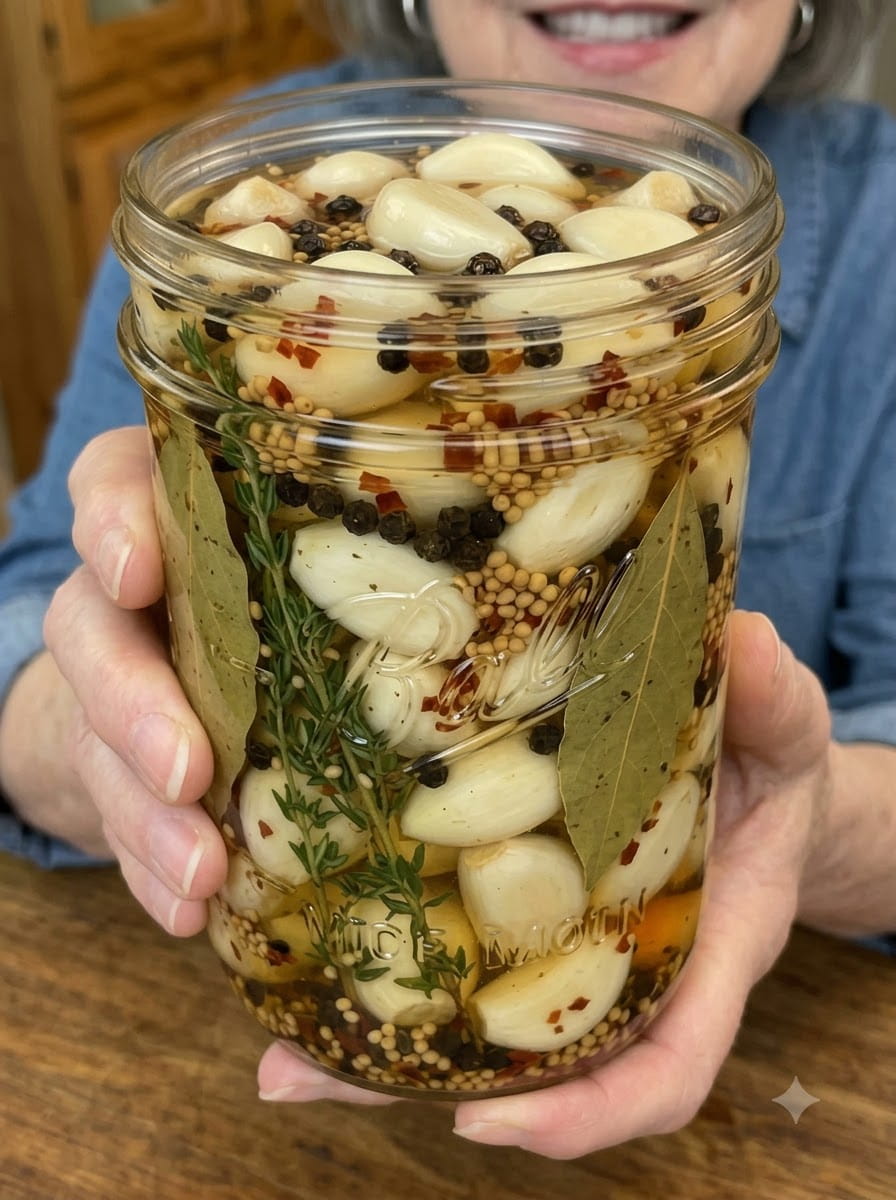
Six thinly sliced cloves give the pickles a strong, mellow garlic flavor that deepens over a few days. Slicing instead of mincing keeps the brine from becoming murky and makes the garlic easy to enjoy right alongside the cucumbers. Don’t be alarmed if the garlic takes on a slight blue or green tint. This is a harmless, natural reaction between garlic compounds and acid, and it does not affect safety or taste.
Sweet Onion
Thin slices of sweet onion add a mellow sweetness and extra savory depth. They also become delicious pickled onions you can pile onto burgers and tacos.
Dill
Fresh dill sprigs deliver that classic pickle aroma. If you don’t have fresh dill, 2 teaspoons of dill seeds make a great substitute and provide a slightly more concentrated, earthy flavor.
The Whole Spice Blend
Black peppercorns, mustard seeds, coriander seeds, and celery seeds create that unmistakable “pickle shop” flavor. Mustard seeds add gentle heat and a little pop of texture, coriander brings a citrusy warmth, and celery seeds contribute a savory, herbal note. The bay leaves add a subtle, tea-like background depth. Crushed red pepper flakes are optional but highly recommended if you want a spicy, zesty finish.
How to Make Garlic Ranch Pickled Cucumbers (Step by Step)
Follow these simple steps for crisp, flavorful pickles every time.
Step 1: Wash and Slice the Cucumbers
Wash the cucumbers thoroughly under cool running water, scrubbing gently to remove any dirt or residue. Trim off both ends. The blossom end in particular contains enzymes that can soften pickles, so removing a thin slice there helps maintain crunch. Slice the cucumbers into 1/4-inch rounds for snackable chips, or cut them into spears for burgers and sandwiches. Try to keep the pieces uniform so they pickle evenly.
Step 2: Pack the Jar
Pack the cucumber slices snugly into a clean glass jar or airtight container. You want them tightly packed so they stay submerged, but not so crammed that you crush them. A large 64-ounce jar works well, or you can divide the cucumbers between two smaller quart jars.
Step 3: Add the Aromatics and Spices
Tuck the sliced garlic, sliced onion, fresh dill, black peppercorns, mustard seeds, coriander seeds, celery seeds, crushed red pepper flakes (if using), and bay leaves throughout the jar, layering them between the cucumbers. Distributing the seasonings as you pack ensures every bite is flavorful from top to bottom.
Step 4: Make the Brine
In a saucepan, combine the white vinegar, water, pickling salt, sugar, and ranch seasoning mix. Heat over medium heat, whisking frequently, until the salt, sugar, and ranch seasoning dissolve completely. This usually takes about 4 to 5 minutes. Do not let the brine boil. Keeping it just below a boil helps the cucumbers retain their crisp texture and keeps the fresh dill and garlic flavors bright.
Step 5: Pour and Submerge
Carefully pour the warm brine over the cucumbers until everything is completely submerged. Use a clean spoon to press down any floating slices, and tap the jar gently on the counter to release trapped air bubbles. Make sure the cucumbers are fully covered by the liquid.
Step 6: Cool and Seal
Allow the jar to cool to room temperature on the counter, then seal tightly with a lid. Cooling before refrigerating prevents condensation and sudden temperature shifts in the jar.
Step 7: Refrigerate and Wait
Refrigerate the pickles for at least 24 hours before serving. For the richest garlic ranch flavor, let them pickle for 3 to 5 days. The flavor continues to develop and deepen over time.
Step 8: Shake Daily
Gently shake the jar once a day to help distribute the seasonings evenly throughout the brine. This small step makes a noticeable difference in how evenly the flavor penetrates the cucumbers.
Tips for Extra Crunchy Pickles
Crunch is everything when it comes to pickles. Use these tricks to get the snappiest results possible.
- Start with very fresh cucumbers. Pickle them the same day you buy or pick them, if you can. Cucumbers lose firmness quickly after harvest.
- Choose the right variety. Kirby or other pickling cucumbers are bred for crunch and hold up far better than standard slicing cucumbers.
- Trim the blossom end. Removing a thin slice from the blossom end eliminates enzymes that cause softening.
- Chill the cucumbers first. Soaking sliced cucumbers in a bowl of ice water for 30 minutes to 1 hour before packing helps firm them up.
- Never boil the brine. A hot but not boiling brine dissolves the seasonings without cooking the cucumbers.
- Keep everything submerged. Any cucumber slices poking out above the brine can soften and spoil faster. If needed, place a small fermentation weight or a clean piece of folded onion on top.
- Consider a crisping agent. If you like extra insurance, a few fresh grape leaves, a black tea bag, or a small pinch of calcium chloride (sold as pickle crisp) can help preserve firmness. These are optional.
- Don’t over-slice. Rounds that are too thin turn limp quickly. Stick to 1/4 inch for the best bite.
Flavor Variations to Try
Once you’ve mastered the base recipe, it’s easy to put your own spin on it.
Spicy Garlic Ranch Pickles. Double the crushed red pepper flakes and add a sliced jalapeño or a few slices of habanero for serious heat.
Smoky Ranch Pickles. Stir 1/2 teaspoon of smoked paprika into the brine for a subtle, campfire-style depth.
Extra Dilly Ranch Pickles. Add a few more fresh dill sprigs and a teaspoon of dill seeds for a stronger classic pickle flavor.
Lemon Herb Ranch Pickles. Add a few thin lemon slices or a strip of lemon zest to brighten up the flavor.
Sweet and Tangy Ranch Pickles. Increase the sugar to 2 or 3 tablespoons for a gentle sweet-and-sour version that kids tend to love.
Ranch Pickled Veggie Mix. Use the same brine and seasonings for sliced carrots, cauliflower florets, radishes, green beans, or sliced bell peppers. A mixed jar looks gorgeous and tastes even better.
Ranch Pickle Spears. Cut the cucumbers into long spears and pack them upright in the jar for a picture-perfect presentation and a handheld snack.
How to Serve Ranch Pickles
These pickles are incredibly versatile. Here are some of the best ways to enjoy them.
- Straight from the jar. A crunchy, tangy, garlicky snack with almost no calories.
- On burgers and cheeseburgers. Layer a few chips on top for a zesty crunch that cuts through rich, juicy beef.
- On sandwiches and wraps. They are fantastic on grilled chicken sandwiches, turkey club sandwiches, deli subs, and pulled pork.
- On charcuterie boards. Pair with cured meats, sharp cheeses, olives, crackers, and nuts. Their bright acidity balances rich and salty flavors beautifully.
- With fried foods. Serve alongside fried chicken, chicken tenders, fish and chips, or onion rings.
- In salads. Chop them into potato salad, pasta salad, egg salad, tuna salad, or chicken salad for an instant flavor upgrade.
- On tacos and bowls. Add them to tacos, rice bowls, or grain bowls for a tangy crunch.
- As a hot dog or sausage topping. Chopped ranch pickles and onions make an easy relish.
- At summer cookouts and potlucks. Set out a bowl next to the grilled meats and watch them disappear.
- In cocktails and mocktails. Use a spear as a garnish for a Bloody Mary or a pickle-brine-inspired drink.
- With dip. Pat them dry and serve them with a little extra ranch dressing for the ultimate double-ranch experience.
Storage Information
Store garlic ranch pickled cucumbers in an airtight jar in the refrigerator for up to 1 month. Keep the cucumbers fully submerged in the pickling brine to maintain their crisp texture and bold flavor.
Because these are refrigerator pickles and not shelf-stable canned pickles, they must always be kept cold. Do not leave the jar out on the counter for extended periods. Always use a clean fork or tongs to remove pickles from the jar, since introducing bacteria from fingers or used utensils can shorten their shelf life.
Signs that pickles have gone bad: an unpleasant or yeasty smell, slimy or mushy texture, mold on the surface or the brine, or unusual fizzing. If you notice any of these signs, discard the entire jar.
Can you freeze them? Freezing is not recommended. Cucumbers have a high water content, and freezing turns them soft and mushy once thawed.
Can you reuse the brine? You can reuse the brine once for a second batch of fresh vegetables such as carrots or onions if it has been kept refrigerated and looks and smells fresh. It will have a milder flavor, so a second batch of cucumbers tends to turn out softer.
Nutrition at a Glance
Each serving contains approximately 30 calories, making these pickles a light and satisfying snack. They are low in fat and rich in flavor, though they are naturally high in sodium because of the brine. If you are watching your sodium intake, enjoy them in moderation and avoid drinking the brine. Nutrition information is an estimate and varies depending on specific brands and how much brine is consumed with each serving.
Common Mistakes to Avoid
Using the wrong cucumbers. Thick-skinned, seedy, waxed slicing cucumbers will turn soft and watery quickly. Stick with Kirby or Persian varieties.
Boiling the brine. This recipe depends on a warm, not boiling, brine to protect the crunch. Heat only until everything dissolves.
Skipping the wait. The pickles are edible after 24 hours, but the real magic happens between day 3 and day 5. Be patient.
Using iodized salt. It can cloud the brine and affect flavor. Pickling salt or kosher salt is best.
Not submerging the cucumbers. Exposed pieces can spoil and soften. Always press everything beneath the brine.
Using dirty jars. Wash jars and lids in hot, soapy water and rinse well before filling. Clean containers extend the shelf life of your pickles.
Overpacking or underpacking the jar. Too loose, and the cucumbers float. Too tight, and the brine can’t circulate. Aim for a snug fit.
Frequently Asked Questions
How long do garlic ranch pickled cucumbers last in the fridge?
They keep for up to 1 month when stored in an airtight container in the refrigerator, with the cucumbers fully submerged in the brine. For the crispest texture, enjoy them within the first two to three weeks.
How long should I let the pickles sit before eating?
You can eat them after 24 hours in the refrigerator, but for the strongest garlic ranch flavor, let them pickle for 3 to 5 days. Flavor continues to develop over time.
Do I have to boil the brine?
No. In fact, it’s best not to. Heat the brine over medium heat only until the salt, sugar, and ranch seasoning dissolve completely. Avoiding a full boil helps the cucumbers stay crisp.
Can I use dry dill instead of fresh dill?
Yes. Two teaspoons of dill seeds work well in place of fresh sprigs. You can also use dried dill weed, starting with about 1 teaspoon, though dill seeds give a stronger, more traditional pickle flavor.
Can I make this recipe without sugar?
Absolutely. The sugar is only used to balance the acidity. You can omit it or replace it with a sugar-free sweetener if you prefer, though the flavor will be slightly sharper.
Why are my pickles soft?
Common causes include using old or waxed cucumbers, not trimming the blossom end, boiling the brine, slicing too thin, or leaving pieces unsubmerged. Start with fresh Kirby cucumbers and follow the tips above for the best crunch.
Why is my brine cloudy?
Some cloudiness is normal because of the ranch seasoning, garlic, and spices. It can also come from iodized salt, so stick with pickling or kosher salt. Cloudiness accompanied by a bad smell or slimy cucumbers, however, is a sign the pickles have spoiled.
Is this recipe safe for canning?
This recipe is designed as a refrigerator pickle recipe and has not been developed or tested for shelf-stable water-bath canning. Keep the jar in the refrigerator at all times. If you want to can pickles for pantry storage, use a recipe specifically tested for canning and follow trusted food-safety guidelines.
Can I use apple cider vinegar instead of white vinegar?
Yes, as long as it has at least 5% acidity. It will give the pickles a slightly fruitier, mellower flavor and a golden-tinted brine.
Can I use English cucumbers or regular slicing cucumbers?
You can, but the texture will be softer. If you use them, scoop out the seedy center, slice them thick, and eat them within about a week for the best results.
Are ranch pickles vegan?
Many ranch seasoning packets are vegetarian, but some contain milk-derived ingredients such as buttermilk powder. Always check the label if you need a vegan or dairy-free version, or make a homemade dairy-free ranch seasoning blend.
Can I add more garlic?
Of course. Garlic lovers can double the cloves for an intense, punchy flavor. Just keep the slices thin so the garlic infuses the brine evenly.
Final Thoughts
Garlic ranch pickled cucumbers are everything you want in a pickle: crisp, tangy, garlicky, and loaded with creamy ranch flavor and a bright, zesty dill finish. They take only about 20 minutes of hands-on time, use simple ingredients, and reward you with a jar of snackable, sandwich-ready, party-worthy pickles that taste like they came from a gourmet deli.
Make a jar this weekend, give them a few days to work their magic, and then put them on everything: burgers, charcuterie boards, summer cookout spreads, or just a fork straight from the jar. Once you try them, you’ll want to keep a fresh batch in the fridge at all times.
Did you try this recipe? Leave a comment and rating below, and share your favorite way to serve these garlic ranch pickled cucumbers. Don’t forget to save this recipe on Pinterest for later!
Print
Garlic Ranch Pickled Cucumbers
Ingredients
Here is everything you need to make about 10 servings of garlic ranch pickled cucumbers:
- 2 lbs pickling cucumbers, sliced into 1/4-inch rounds or spears
- 2 cups white vinegar
- 2 cups water
- 2 tbsp pickling salt or kosher salt
- 1 tbsp sugar
- 1 packet (1 oz) ranch seasoning mix
- 6 cloves garlic, thinly sliced
- 1 small sweet onion, thinly sliced
- 2 sprigs fresh dill (or 2 tsp dill seeds)
- 1 tsp whole black peppercorns
- 1 tsp mustard seeds
- 1 tsp coriander seeds
- 1/2 tsp celery seeds
- 1/2 tsp crushed red pepper flakes (optional)
- 2 bay leaves
Instructions
Follow these simple steps for crisp, flavorful pickles every time.
Wash the cucumbers thoroughly under cool running water, scrubbing gently to remove any dirt or residue. Trim off both ends. The blossom end in particular contains enzymes that can soften pickles, so removing a thin slice there helps maintain crunch. Slice the cucumbers into 1/4-inch rounds for snackable chips, or cut them into spears for burgers and sandwiches. Try to keep the pieces uniform so they pickle evenly.
Pack the cucumber slices snugly into a clean glass jar or airtight container. You want them tightly packed so they stay submerged, but not so crammed that you crush them. A large 64-ounce jar works well, or you can divide the cucumbers between two smaller quart jars.
Tuck the sliced garlic, sliced onion, fresh dill, black peppercorns, mustard seeds, coriander seeds, celery seeds, crushed red pepper flakes (if using), and bay leaves throughout the jar, layering them between the cucumbers. Distributing the seasonings as you pack ensures every bite is flavorful from top to bottom.
In a saucepan, combine the white vinegar, water, pickling salt, sugar, and ranch seasoning mix. Heat over medium heat, whisking frequently, until the salt, sugar, and ranch seasoning dissolve completely. This usually takes about 4 to 5 minutes. Do not let the brine boil. Keeping it just below a boil helps the cucumbers retain their crisp texture and keeps the fresh dill and garlic flavors bright.
Carefully pour the warm brine over the cucumbers until everything is completely submerged. Use a clean spoon to press down any floating slices, and tap the jar gently on the counter to release trapped air bubbles. Make sure the cucumbers are fully covered by the liquid.
Allow the jar to cool to room temperature on the counter, then seal tightly with a lid. Cooling before refrigerating prevents condensation and sudden temperature shifts in the jar.
Refrigerate the pickles for at least 24 hours before serving. For the richest garlic ranch flavor, let them pickle for 3 to 5 days. The flavor continues to develop and deepen over time.
Gently shake the jar once a day to help distribute the seasonings evenly throughout the brine. This small step makes a noticeable difference in how evenly the flavor penetrates the cucumbers.