
Simple Blender Lentil Bread: The Easy, No-Yeast Loaf Made From Scratch
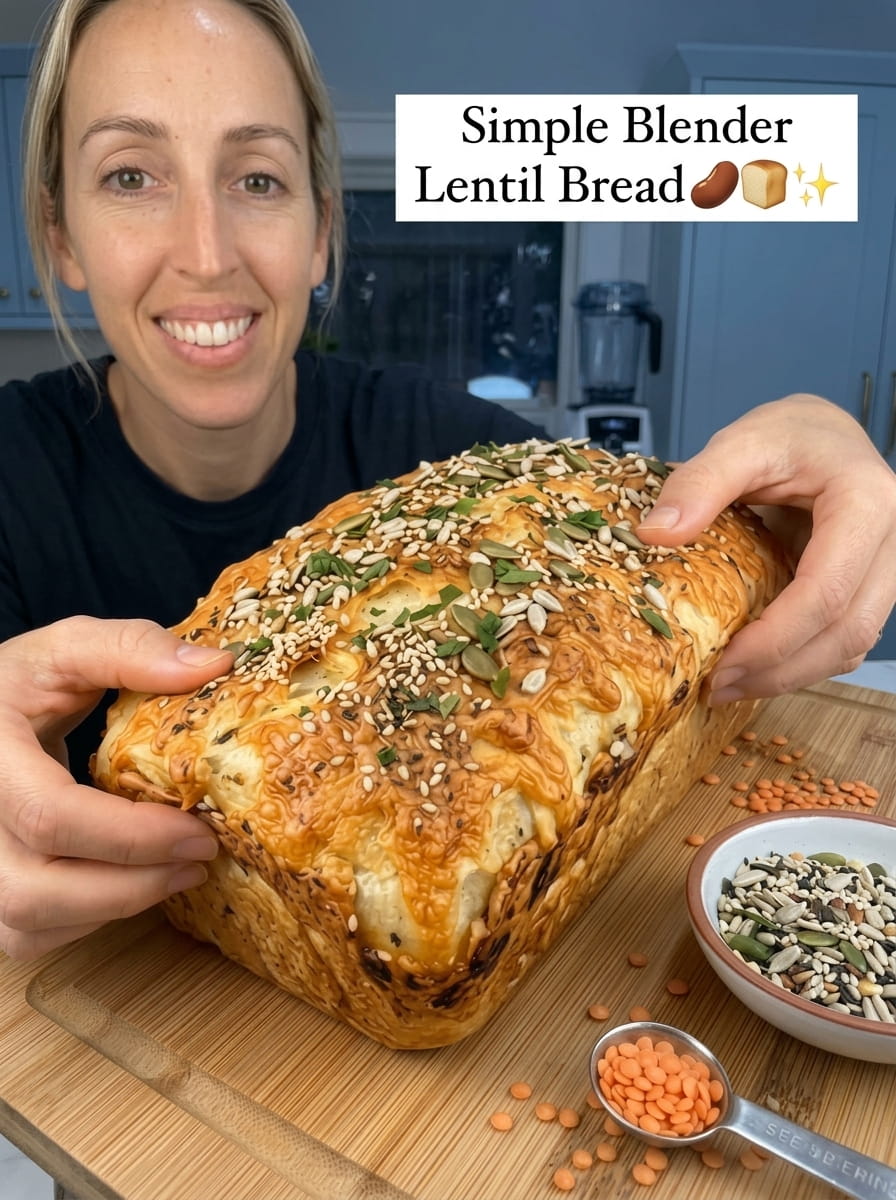
If you’re looking for a homemade bread that’s hearty, naturally protein-rich, and refreshingly simple to make, this Simple Blender Lentil Bread is exactly what your kitchen needs. Made by soaking and blending red lentils into a smooth batter, then baking it into a soft, satisfying loaf, this recipe skips yeast, kneading, and any complicated shaping — relying instead on a blender and a bit of patience for soaking.
Whether you’re looking for a gluten-free bread alternative, a way to add more plant-based protein to your diet, or simply an easier path to homemade bread, this lentil-based loaf delivers real flavor and texture with minimal effort. Below, you’ll find a complete breakdown of this recipe, including ingredient details, step-by-step instructions, expert tips, variations, storage guidance, and answers to frequently asked questions.
Why This Blender Lentil Bread Is Worth Trying
Bread made from blended legumes has become increasingly popular, and this lentil version offers several compelling reasons to give it a try:
- No yeast or kneading required. This bread relies on baking powder and baking soda for lift, completely skipping the traditional yeast-proofing and kneading process.
- Naturally protein-rich. Red lentils are a fantastic source of plant-based protein, making this bread a nutritious alternative to traditional wheat bread.
- Naturally gluten-free. Since there’s no flour involved, this bread is well-suited for those avoiding gluten.
- Customizable toppings. The addition of seeds and dried herbs on top allows you to tailor the flavor and texture to your liking.
- A great way to use pantry staples. Dried red lentils are an affordable, shelf-stable ingredient that many people already have on hand.
- Beginner-friendly. With a blender doing most of the work, this recipe is approachable even for those with minimal baking experience.
If you love the idea of legume-based bread but want something a little different from chickpea-based versions, this red lentil bread offers a unique flavor and texture worth exploring.
Understanding the Key Ingredients
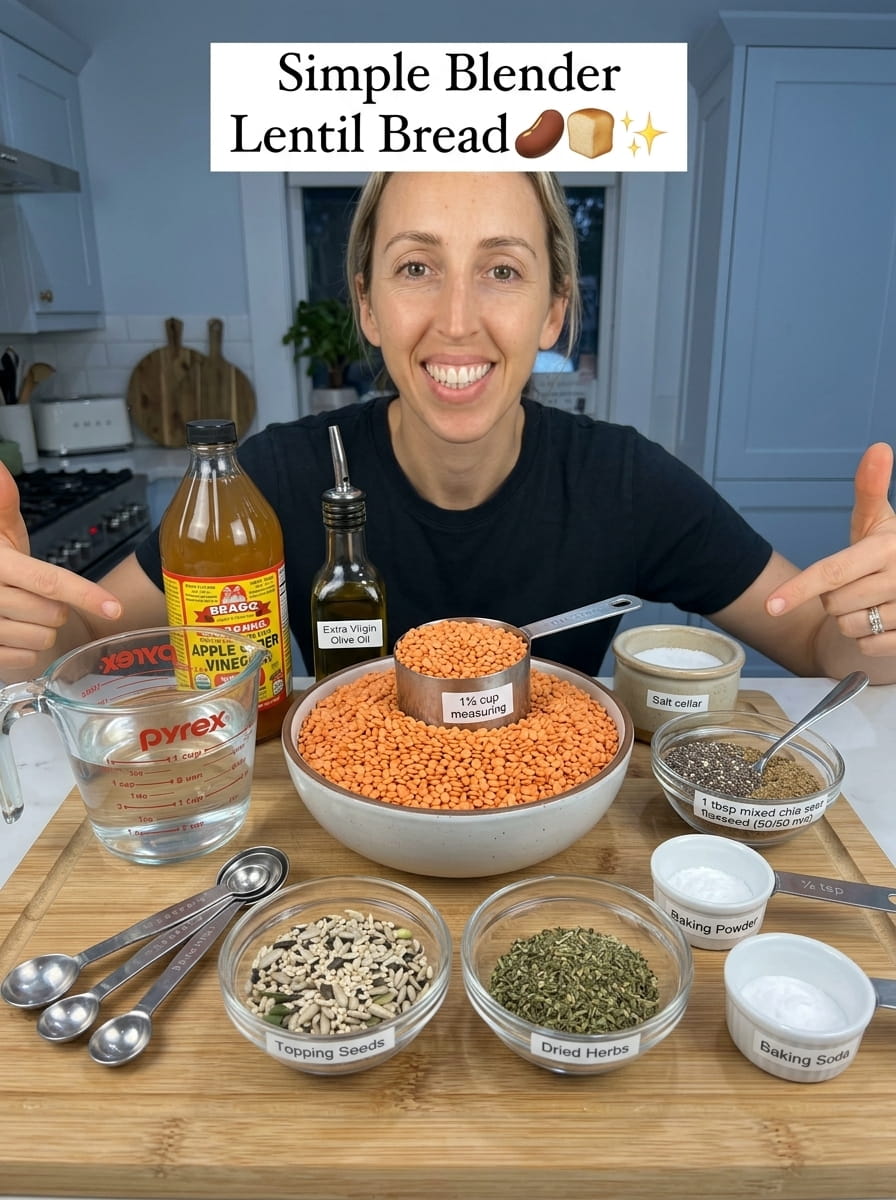
Let’s take a closer look at what goes into this recipe and why each ingredient plays an important role.
The Base
- 1½ cups dry red lentils – The foundation of this bread. Red lentils cook and soften relatively quickly compared to other legumes, and their mild flavor makes them an excellent base for a variety of bread flavors.
- 1 cup water – Helps thin the batter to the right consistency for blending and baking.
- 2 tbsp olive oil – Adds richness and helps keep the finished bread moist rather than dry or crumbly.
- 1 tbsp apple cider vinegar – Works alongside the baking soda to help activate leavening, contributing to a lighter texture in the finished loaf.
The Leaveners and Seasoning
- 1 tsp baking powder and ½ tsp baking soda – Together, these provide the lift this bread needs since there’s no yeast involved. The combination helps create a lighter, more bread-like texture.
- 1 tsp salt – Essential for properly seasoning the bread and enhancing all the other flavors.
- 1 tbsp chia seeds or ground flaxseed – Blended directly into the batter, these seeds add extra fiber, texture, and a subtle nutritional boost.
The Toppings
- 1 tbsp sesame or sunflower seeds, for topping – Add a pleasant crunch and visual appeal to the finished loaf.
- 1 tsp dried herbs – Allow you to customize the flavor of the bread, whether you prefer a classic herb blend, rosemary, or something else entirely.
Step-by-Step Instructions
Step 1: Soak the Lentils
Rinse the red lentils thoroughly and soak them in plenty of water for 4–6 hours or overnight. This soaking step is essential for softening the lentils enough to blend into a smooth batter.
Step 2: Drain and Rinse
Drain and rinse the soaked lentils well, removing any excess starch from the soaking process.
Step 3: Combine the Batter Ingredients
Add the soaked lentils, 1 cup water, olive oil, apple cider vinegar, baking powder, baking soda, salt, and chia seeds or ground flaxseed to a blender.
Step 4: Blend Until Smooth
Blend until the batter is very smooth and creamy, scraping down the sides as needed to ensure everything is fully incorporated.
Step 5: Preheat and Prepare the Pan
Preheat the oven to 375°F. Grease a loaf pan and line it with parchment paper to help ensure the bread releases easily once baked.
Step 6: Pour the Batter
Pour the batter into the prepared pan and smooth the top with a spatula.
Step 7: Add the Toppings
Sprinkle evenly with the sesame or sunflower seeds and dried herbs, pressing gently if needed to help them adhere to the batter.
Step 8: Bake
Bake for 40–50 minutes, or until the loaf is firm and golden on top.
Step 9: Cool in the Pan
Let the bread cool in the pan for 10–15 minutes, then transfer it to a wire rack.
Step 10: Cool Completely
Cool completely before slicing for the cleanest slices and best texture.
Tips for the Best Blender Lentil Bread
A few small techniques can make a noticeable difference in the final result:
- Don’t skip the soaking step. Soaking the lentils for at least 4–6 hours is essential for achieving a smooth, blendable batter — skipping this step will likely result in a gritty texture.
- Rinse the lentils well after soaking. This helps remove excess starch that could otherwise affect the texture of the finished bread.
- Blend thoroughly. A high-speed blender works best for achieving a completely smooth batter with no gritty texture from the lentils.
- Don’t skip the apple cider vinegar. This ingredient works with the baking soda to help activate leavening, contributing to a lighter, less dense loaf.
- Let the bread cool completely before slicing. Cutting into the bread too soon can result in a gummy texture, since the loaf needs time to fully set as it cools.
- Press toppings gently into the batter. This helps the seeds and herbs adhere better during baking, rather than falling off once the bread is sliced.
Health Benefits of Lentil Bread
Beyond its simplicity, this bread offers several nutritional advantages worth highlighting.
A Good Source of Plant-Based Protein
Red lentils are naturally rich in protein, making this bread a nutritious option for those looking to increase their plant-based protein intake.
Naturally Gluten-Free
Since this recipe contains no flour, it’s naturally suitable for those following a gluten-free diet, without requiring specialty gluten-free flour blends.
High in Fiber
Between the lentils and the added chia seeds or flaxseed, this bread offers a solid dose of dietary fiber, which can support healthy digestion and help promote feelings of fullness.
Rich in Plant-Based Nutrients
Lentils are naturally packed with folate, iron, and other essential nutrients, making this bread a flavorful way to work more nutrient-dense, plant-based ingredients into your diet.
Ingredient Substitutions and Variations
This recipe is easy to adapt based on your preferences or what you have on hand:
- Change the seeds. Pumpkin seeds, poppy seeds, or a mix of several seed varieties can be used in place of sesame or sunflower seeds for the topping.
- Adjust the herbs. Rosemary, thyme, or an Italian herb blend can be used in place of a general dried herb mix for a more specific flavor profile.
- Add garlic or onion powder. A small amount blended into the batter can add extra savory depth to the finished bread.
- Try a different lentil color. While red lentils are recommended for their quick soaking time and mild flavor, other lentil varieties may work with adjusted soaking times, though the flavor and texture will vary.
- Add a touch of sweetness. A small amount of honey or maple syrup can be blended into the batter for a slightly sweeter loaf that pairs well with nut butter or fruit preserves.
How to Serve Blender Lentil Bread
This bread’s hearty, slightly earthy flavor makes it a versatile addition to a variety of meals:
- Toasted with butter – A simple, satisfying way to enjoy this bread warm.
- Topped with avocado – A filling, protein-and-fiber-rich breakfast or snack.
- With eggs – A hearty pairing for a high-protein breakfast.
- Spread with hummus or nut butter – A natural, complementary pairing given the bread’s legume base.
- As a sandwich base – Use for a heartier, more filling sandwich than traditional bread.
- Alongside soups or stews – Serve warm slices as a comforting side for a cozy meal.
How to Store Blender Lentil Bread
Because this bread has a different composition than traditional wheat bread, proper storage helps maintain its texture and freshness.
Refrigerating
Store the bread in an airtight container in the refrigerator for up to 5 days, since the lack of preservatives means it won’t stay fresh at room temperature as long as store-bought bread.
Freezing
This bread freezes well, making it a great option for meal prep. Slice the loaf before freezing so you can remove individual pieces as needed. Store in a freezer-safe bag or container for up to 2 months, and toast slices directly from frozen for convenience.
Room Temperature
If storing at room temperature, keep the bread in an airtight container and plan to consume it within 1–2 days, as it doesn’t contain the preservatives found in most store-bought bread.
Frequently Asked Questions
Do I really need to soak the lentils for this recipe? Yes, soaking is an essential step for this recipe. It softens the lentils enough to blend into a smooth, creamy batter — skipping this step will likely result in a gritty, unpleasant texture.
Can I use a different type of lentil? Red lentils are recommended for their quick soaking time and mild flavor, which blends smoothly into a neutral-tasting batter. Other lentil varieties may require longer soaking times and will likely result in a different flavor and texture.
Does this bread taste like lentils? The bread has a mild, slightly earthy flavor, but it isn’t overwhelmingly “lentil-tasting.” The addition of herbs and seeds helps round out the flavor, making it a pleasant, neutral base for a variety of toppings.
Is this bread suitable for a gluten-free diet? Yes, this recipe is naturally gluten-free, as it contains no flour or wheat-based ingredients.
Why do I need both baking powder and baking soda? Using both leaveners, combined with the acidity from the apple cider vinegar, helps create the best possible rise and texture in a bread that doesn’t use yeast.
How long does this bread stay fresh? Since this bread lacks preservatives, it’s best stored in the refrigerator for up to 5 days, or frozen for up to 2 months for longer storage.
Can I skip the seeds and herbs on top? Yes, the seeds and herbs are primarily for texture and flavor customization. The bread will still bake successfully without them, though the topping does add a pleasant crunch and visual appeal.
Why did my bread turn out gummy in the middle? This is often the result of slicing the bread before it has fully cooled. Allowing the loaf to cool completely on a wire rack helps it finish setting properly before cutting.
Final Thoughts
This Simple Blender Lentil Bread proves that homemade bread can be both nutritious and remarkably easy to make. With just a handful of pantry staples and a blender, you can create a soft, hearty loaf that’s naturally gluten-free, rich in plant-based protein and fiber, and endlessly customizable with your favorite seeds and herbs. Best of all, there’s no yeast, kneading, or lengthy rise time standing between you and a warm, homemade loaf.
Whether you’re looking for a healthier bread alternative, a plant-based protein boost, or simply an easier path to homemade baking, this lentil bread is a recipe worth adding to your regular rotation — a simple, wholesome loaf that proves minimal ingredients can still deliver maximum flavor.
Print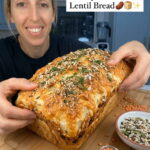
Simple Blender Lentil Bread
Ingredients
Let’s take a closer look at what goes into this recipe and why each ingredient plays an important role.
The Base
- 1½ cups dry red lentils – The foundation of this bread. Red lentils cook and soften relatively quickly compared to other legumes, and their mild flavor makes them an excellent base for a variety of bread flavors.
- 1 cup water – Helps thin the batter to the right consistency for blending and baking.
- 2 tbsp olive oil – Adds richness and helps keep the finished bread moist rather than dry or crumbly.
- 1 tbsp apple cider vinegar – Works alongside the baking soda to help activate leavening, contributing to a lighter texture in the finished loaf.
The Leaveners and Seasoning
- 1 tsp baking powder and ½ tsp baking soda – Together, these provide the lift this bread needs since there’s no yeast involved. The combination helps create a lighter, more bread-like texture.
- 1 tsp salt – Essential for properly seasoning the bread and enhancing all the other flavors.
- 1 tbsp chia seeds or ground flaxseed – Blended directly into the batter, these seeds add extra fiber, texture, and a subtle nutritional boost.
The Toppings
- 1 tbsp sesame or sunflower seeds, for topping – Add a pleasant crunch and visual appeal to the finished loaf.
- 1 tsp dried herbs – Allow you to customize the flavor of the bread, whether you prefer a classic herb blend, rosemary, or something else entirely.
Instructions
Rinse the red lentils thoroughly and soak them in plenty of water for 4–6 hours or overnight. This soaking step is essential for softening the lentils enough to blend into a smooth batter.
Drain and rinse the soaked lentils well, removing any excess starch from the soaking process.
Add the soaked lentils, 1 cup water, olive oil, apple cider vinegar, baking powder, baking soda, salt, and chia seeds or ground flaxseed to a blender.
Blend until the batter is very smooth and creamy, scraping down the sides as needed to ensure everything is fully incorporated.
Preheat the oven to 375°F. Grease a loaf pan and line it with parchment paper to help ensure the bread releases easily once baked.
Pour the batter into the prepared pan and smooth the top with a spatula.
Sprinkle evenly with the sesame or sunflower seeds and dried herbs, pressing gently if needed to help them adhere to the batter.
Bake for 40–50 minutes, or until the loaf is firm and golden on top.
Let the bread cool in the pan for 10–15 minutes, then transfer it to a wire rack.
Cool completely before slicing for the cleanest slices and best texture.