
Fire Cider: The Bold, Traditional Vinegar Tonic for Cold Weather Season
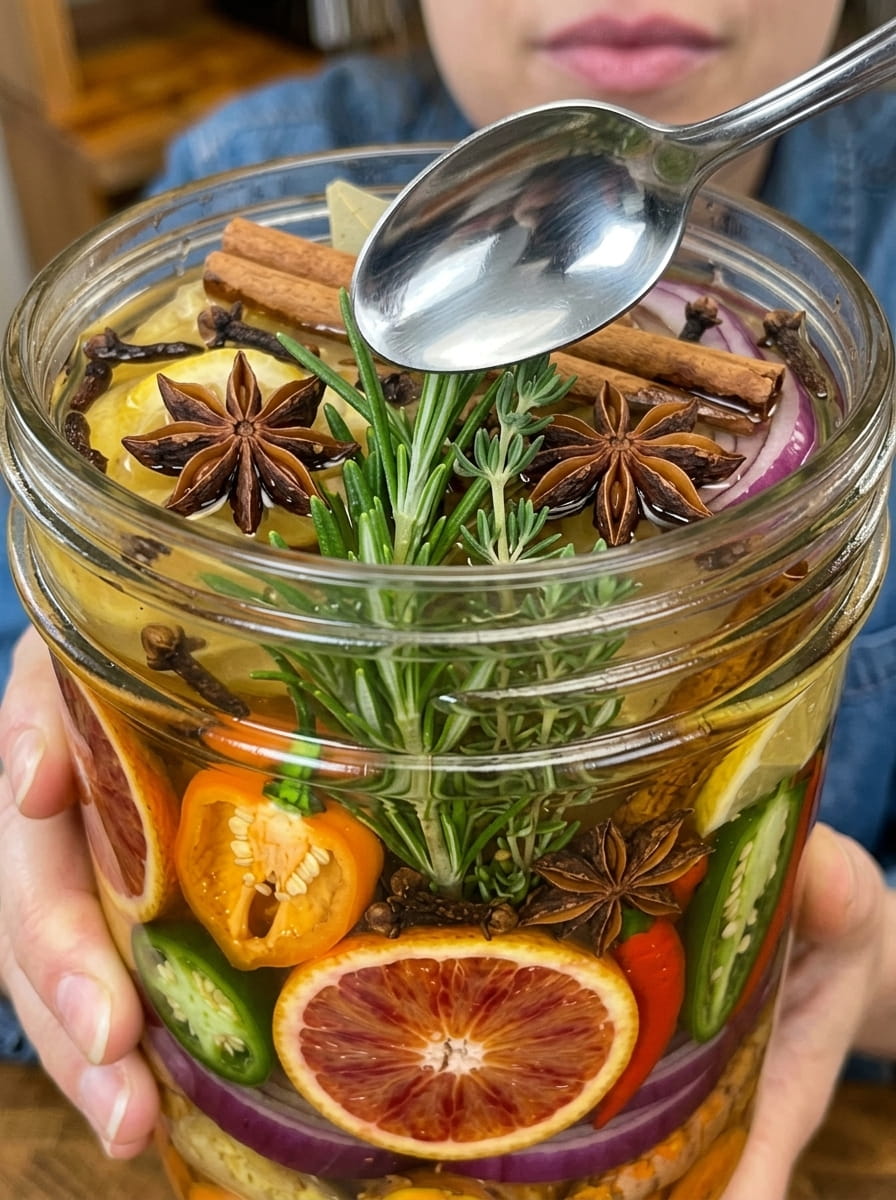
If you’ve spent any time exploring folk remedies, herbalism, or traditional wellness tonics, chances are you’ve come across Fire Cider. Spicy, tangy, warming, and packed with bold ingredients, this homemade vinegar-based tonic is made with fresh roots, citrus, peppers, herbs, and warming spices, all infused together into a vibrant, powerful pantry staple that’s especially popular during the colder months. One sip delivers an intense, invigorating punch of heat, tang, and warmth that’s impossible to ignore.
Whether you’ve been curious about making your own fire cider for a while, or you’re simply drawn to the idea of a bold, homemade vinegar tonic packed with fresh roots and citrus, this recipe walks you through the entire traditional process. Below, you’ll find a complete ingredient breakdown, detailed step-by-step instructions, expert tips for the best flavor and infusion, storage guidance, ways to use your finished fire cider, and answers to the most frequently asked questions about making this traditional tonic at home.
What Is Fire Cider?
Fire cider is a traditional folk remedy consisting of raw apple cider vinegar infused with a combination of pungent, warming ingredients such as ginger, garlic, horseradish, onion, citrus, and hot peppers, often along with herbs like rosemary and thyme. The infusion is left to steep for several weeks, allowing the vinegar to draw out the flavors and compounds from each ingredient, before being strained and sweetened with honey. The result is a bold, spicy, tangy liquid that’s traditionally taken by the spoonful, especially during the colder months.
The tradition of infusing vinegar with pungent roots and spices has roots in various herbalist practices, and the specific term “fire cider” was popularized in modern herbalism circles starting in the 1970s. Since then, it’s become a beloved seasonal ritual for many home herbalists and wellness enthusiasts, who often make a big batch each fall to have on hand throughout the winter months. It’s worth noting that fire cider is a traditional folk preparation rather than a clinically studied product, and this recipe is shared in that spirit, as a flavorful, warming pantry tonic rather than a medical treatment.
Why You’ll Love This Fire Cider Recipe
There’s a reason fire cider has built such a devoted, passionate following among home herbalists and wellness enthusiasts alike.
The flavor is bold and unforgettable. Between the fresh ginger, turmeric, garlic, jalapeño, citrus, and warming spices, this tonic delivers an intense combination of heat, tang, and warmth that’s genuinely invigorating. It’s not a subtle flavor by any means, and that boldness is exactly the point.
It’s made entirely from whole, fresh ingredients. Unlike many store-bought tonics or supplements, this recipe uses fresh roots, citrus, and herbs, giving you full control over exactly what goes into your jar.
It’s a wonderful seasonal ritual. Many people make a big batch of fire cider each fall, letting it infuse through the following weeks so it’s ready to enjoy throughout the winter, turning this recipe into a beloved, recurring seasonal tradition.
It’s easy to customize. This recipe is really more of a flexible template than a rigid formula. You can easily adjust the ratio of ingredients, add horseradish for extra pungency, or increase the jalapeño for more heat, tailoring the tonic to your own taste preferences.
It makes a distinctive, memorable homemade gift. Bottled up in a pretty jar, fire cider makes a unique, conversation-starting gift for herbalism enthusiasts, foodies, or anyone who appreciates bold, homemade pantry staples.
It doubles as a flavorful cooking ingredient. Beyond drinking it by the spoonful, strained fire cider can be used to add a bold, spicy-tangy kick to dressings, marinades, and sauces.
Ingredients You’ll Need
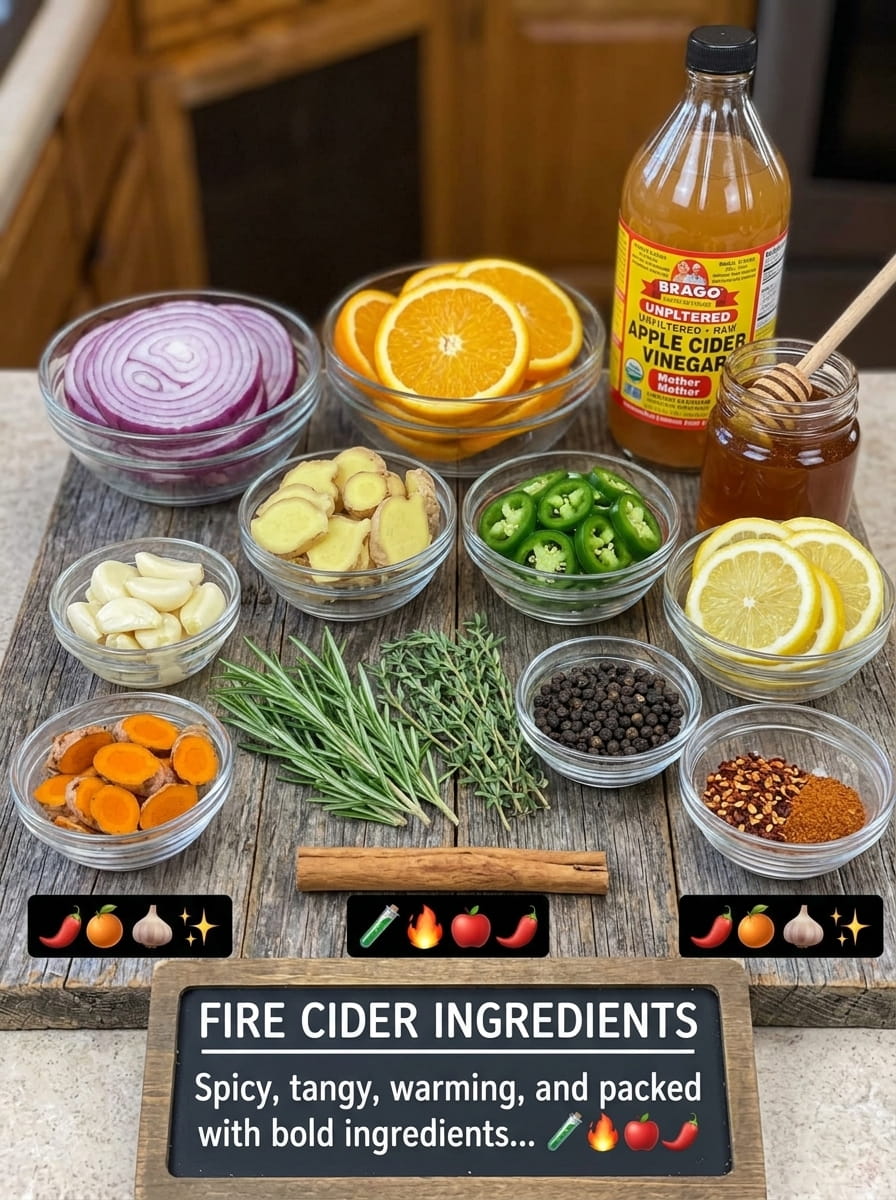
This recipe uses a generous mix of fresh roots, citrus, aromatics, and warming spices, all infused into raw apple cider vinegar.
1 small red onion, sliced — Onion adds pungent, savory depth to the infusion.
1 small orange, sliced — Fresh orange contributes bright citrus flavor and natural sweetness that balances the pungent, spicy ingredients.
1/2 cup fresh ginger, thinly sliced — Ginger is a cornerstone of fire cider, known for its warming, spicy, slightly sweet flavor.
1/2 cup fresh turmeric root, thinly sliced — Fresh turmeric root adds an earthy, slightly bitter, peppery flavor along with its signature vibrant golden-orange color.
6 cloves garlic, crushed — Garlic brings a pungent, savory punch that’s essential to the traditional fire cider flavor profile. Crushing the cloves, rather than leaving them whole, helps release more of their flavor into the vinegar.
1 to 2 fresh jalapeños, sliced — Fresh jalapeños provide the “fire” in fire cider, adding real, building heat to the infusion.
1 lemon, sliced — Lemon adds bright, tangy citrus flavor that complements the orange and balances the pungent roots.
2 sprigs fresh rosemary — Rosemary contributes an aromatic, slightly piney, herbal note to the infusion.
2 sprigs fresh thyme — Thyme adds a subtle, earthy, herbal flavor that rounds out the overall blend.
1 teaspoon black peppercorns — Whole peppercorns add warm, slightly floral heat to the infusion.
1 teaspoon dried cayenne pepper — Cayenne reinforces the heat from the jalapeños, adding an extra layer of warming spice.
1 cinnamon stick — Cinnamon adds a warm, slightly sweet, aromatic note that rounds out the bold, pungent flavors of the other ingredients.
2 to 3 cups raw apple cider vinegar — Raw, unfiltered apple cider vinegar (often labeled as containing “the mother”) serves as the base of the infusion, drawing out the flavors and compounds from all the other ingredients over several weeks.
2 tablespoons raw honey — Raw honey is stirred in at the end to balance the sharp vinegar and spicy heat with natural sweetness.
How to Make Fire Cider (Step-by-Step)
Unlike a quick refrigerator pickle, fire cider requires a multi-week infusion period, so a bit of patience is required. Here’s exactly how to make it from start to finish.
Step 1: Combine the Ingredients
Add the sliced red onion, orange, ginger, turmeric, crushed garlic, sliced jalapeños, lemon, rosemary, thyme, black peppercorns, cayenne, and cinnamon stick to a clean glass jar. A wide-mouth quart-sized jar works especially well for fitting all these ingredients comfortably.
Step 2: Cover with Vinegar
Pour in enough raw apple cider vinegar to completely cover all the ingredients, leaving a small amount of headspace at the top of the jar. Make sure every ingredient is fully submerged, pressing down gently if needed, since anything exposed to air rather than vinegar is more prone to spoilage.
Step 3: Seal the Jar Properly
Seal the jar with a non-reactive lid, such as a plastic storage lid. If you’re using a standard metal canning lid, place a piece of parchment paper or wax paper between the lid and the jar opening before sealing. This step is important because the acidic vinegar can react with and corrode metal over the multi-week infusion period.
Step 4: Store and Infuse
Store the jar in a cool, dark place, such as a pantry or cupboard, for 2 to 4 weeks. Gently shake the jar every day or two throughout this infusion period. This regular shaking helps redistribute the ingredients and vinegar, ensuring a more even, thorough infusion.
Step 5: Strain the Mixture
Once the infusion period is complete, strain the mixture through a fine-mesh strainer or cheesecloth into a clean bowl or jar, pressing down on the solids with the back of a spoon to extract as much of the flavorful, infused vinegar as possible. Discard the solids once you’ve extracted as much liquid as you can.
Step 6: Stir in the Honey
While the strained vinegar is at room temperature, stir in the raw honey until fully incorporated. Adding the honey at room temperature, rather than to hot vinegar, helps preserve more of the honey’s natural qualities.
Step 7: Adjust to Taste
Taste your finished fire cider and adjust the honey as needed to reach your preferred balance of sweetness and heat. Some people prefer a more pronounced sweetness to balance the intense heat and tang, while others prefer to keep it sharper and spicier.
Step 8: Bottle and Refrigerate
Transfer your finished fire cider to a clean bottle or jar and store it in the refrigerator.
Step 9: Enjoy
Use your fire cider as a bold vinegar tonic by the spoonful, or add small amounts to dressings, marinades, sauces, and other recipes for an extra kick of warming, tangy flavor.
Tips for the Best Fire Cider
Use raw, unfiltered apple cider vinegar. Raw apple cider vinegar, often labeled as containing “the mother,” is the traditional choice for fire cider and is believed by many home herbalists to offer a more robust base for the infusion compared to filtered, pasteurized vinegar.
Don’t let metal lids touch the vinegar directly. Because vinegar is highly acidic, it can corrode metal lids over the multi-week infusion period. Always use a non-reactive lid, or place a layer of parchment paper between a metal lid and the jar opening.
Shake the jar regularly. Giving the jar a gentle shake every day or two throughout the infusion period helps ensure the vinegar extracts flavor evenly from all the ingredients.
Customize your ingredient ratios. This recipe is a flexible template, so feel free to experiment with the ratios, add fresh horseradish for extra pungency, or adjust the amount of jalapeño and cayenne based on your personal heat tolerance.
Wear gloves when handling jalapeños and horseradish. These ingredients can cause skin irritation, especially if you touch your face or eyes afterward, so consider wearing disposable gloves during prep.
Be patient with the infusion period. While 2 weeks is the minimum recommended infusion time, letting the mixture steep for the full 4 weeks generally results in a more robust, fully developed flavor.
Add the honey after straining, not before. Adding honey before straining can make the straining process stickier and more difficult, so it’s best to strain the infused vinegar first and stir in the honey afterward.
How to Store Fire Cider
Once strained, sweetened, and bottled, fire cider should be stored in the refrigerator. Properly stored in a sealed bottle or jar, it will generally keep well for several months, thanks to the natural preservative qualities of the vinegar, though many people find the flavor is best within the first few months after straining. Always use a clean spoon when portioning out fire cider to avoid introducing contaminants that could shorten its shelf life, and give the bottle a shake before each use, since some settling is completely normal.
Ways to Use Fire Cider
Fire cider’s bold, intense flavor makes it a versatile addition to your pantry beyond simply taking it by the spoonful. Here are some of the best ways to use it.
By the spoonful — The most traditional way to enjoy fire cider is taking a small spoonful straight, especially during the colder months when its warming, spicy qualities feel especially fitting.
Mixed into a shot with water or juice — Some people prefer to dilute a spoonful of fire cider with a bit of water or juice to mellow its intensity while still enjoying its bold flavor.
In salad dressings — Whisk a spoonful of fire cider into olive oil for a bold, spicy, tangy vinaigrette.
In marinades — Add fire cider to a marinade for chicken, pork, or vegetables for a punch of warming, tangy flavor.
Drizzled over roasted vegetables — A small drizzle of fire cider over roasted vegetables adds a bright, spicy, tangy finishing touch.
Stirred into soups or stews — A splash of fire cider can add a warming, tangy depth to soups, stews, or chili.
Mixed into cocktails or mocktails — Some cocktail enthusiasts use a small amount of fire cider to add a bold, spicy kick to Bloody Marys or other savory cocktails.
Frequently Asked Questions
How long does fire cider need to infuse? At minimum, let the mixture infuse for 2 weeks in a cool, dark place. For a more robust, fully developed flavor, many people prefer to let it infuse for the full 4 weeks.
Why do I need to use a non-reactive lid? Apple cider vinegar is highly acidic and can corrode metal over the multi-week infusion period, which can affect both the flavor and safety of your fire cider. Using a plastic lid, or placing parchment paper between a metal lid and the jar, prevents this reaction.
Can I use white vinegar instead of apple cider vinegar? Raw apple cider vinegar is the traditional choice for fire cider, valued for its milder, fruitier flavor and its status as a raw, unfiltered product. White vinegar can technically be used, but it will result in a sharper, more acidic flavor that’s less traditional.
Is fire cider a substitute for medical treatment? No. Fire cider is a traditional folk preparation and flavorful pantry tonic, not a medically studied treatment, and it shouldn’t be used as a substitute for professional medical advice or care. If you have health concerns, it’s always best to speak with a qualified healthcare provider.
Can I adjust the spice level? Absolutely. This recipe is a flexible template, so feel free to reduce the jalapeños and cayenne for a milder version, or increase them for an even spicier tonic.
Do I need to strain out every last bit of solid? Straining through a fine-mesh strainer or cheesecloth should remove the vast majority of solids, though a small amount of fine sediment is normal and not a cause for concern.
How long does finished fire cider last in the refrigerator? Properly stored in a sealed bottle in the refrigerator, fire cider will generally keep well for several months, thanks to the natural preservative qualities of the vinegar.
Can I add other ingredients, like horseradish? Yes. Many traditional fire cider recipes include fresh horseradish for extra pungency and heat. Feel free to add a small amount along with the other ingredients if you’d like an even bolder, spicier tonic.
Why is honey added after straining instead of during the infusion? Adding honey before straining can make the straining process stickier and more difficult. It’s easier, and generally recommended, to strain the infused vinegar first and stir in the honey afterward.
Final Thoughts
This homemade Fire Cider recipe captures a bold, traditional pantry staple that’s been passed down and adapted by home herbalists for generations. The combination of warming ginger and turmeric, pungent garlic and onion, spicy jalapeño and cayenne, and bright citrus creates a tonic with intense, unforgettable flavor. Whether you take it by the spoonful, mix it into a dressing, or simply enjoy the seasonal ritual of infusing and straining your own batch each fall, this recipe offers a rewarding, flavorful project that’s perfect for the colder months ahead.
Print
Fire Cider
Ingredients
This recipe uses a generous mix of fresh roots, citrus, aromatics, and warming spices, all infused into raw apple cider vinegar.
1 small red onion, sliced — Onion adds pungent, savory depth to the infusion.
1 small orange, sliced — Fresh orange contributes bright citrus flavor and natural sweetness that balances the pungent, spicy ingredients.
1/2 cup fresh ginger, thinly sliced — Ginger is a cornerstone of fire cider, known for its warming, spicy, slightly sweet flavor.
1/2 cup fresh turmeric root, thinly sliced — Fresh turmeric root adds an earthy, slightly bitter, peppery flavor along with its signature vibrant golden-orange color.
6 cloves garlic, crushed — Garlic brings a pungent, savory punch that’s essential to the traditional fire cider flavor profile. Crushing the cloves, rather than leaving them whole, helps release more of their flavor into the vinegar.
1 to 2 fresh jalapeños, sliced — Fresh jalapeños provide the “fire” in fire cider, adding real, building heat to the infusion.
1 lemon, sliced — Lemon adds bright, tangy citrus flavor that complements the orange and balances the pungent roots.
2 sprigs fresh rosemary — Rosemary contributes an aromatic, slightly piney, herbal note to the infusion.
2 sprigs fresh thyme — Thyme adds a subtle, earthy, herbal flavor that rounds out the overall blend.
1 teaspoon black peppercorns — Whole peppercorns add warm, slightly floral heat to the infusion.
1 teaspoon dried cayenne pepper — Cayenne reinforces the heat from the jalapeños, adding an extra layer of warming spice.
1 cinnamon stick — Cinnamon adds a warm, slightly sweet, aromatic note that rounds out the bold, pungent flavors of the other ingredients.
2 to 3 cups raw apple cider vinegar — Raw, unfiltered apple cider vinegar (often labeled as containing “the mother”) serves as the base of the infusion, drawing out the flavors and compounds from all the other ingredients over several weeks.
2 tablespoons raw honey — Raw honey is stirred in at the end to balance the sharp vinegar and spicy heat with natural sweetness.
Instructions
Unlike a quick refrigerator pickle, fire cider requires a multi-week infusion period, so a bit of patience is required. Here’s exactly how to make it from start to finish.
Add the sliced red onion, orange, ginger, turmeric, crushed garlic, sliced jalapeños, lemon, rosemary, thyme, black peppercorns, cayenne, and cinnamon stick to a clean glass jar. A wide-mouth quart-sized jar works especially well for fitting all these ingredients comfortably.
Pour in enough raw apple cider vinegar to completely cover all the ingredients, leaving a small amount of headspace at the top of the jar. Make sure every ingredient is fully submerged, pressing down gently if needed, since anything exposed to air rather than vinegar is more prone to spoilage.
Seal the jar with a non-reactive lid, such as a plastic storage lid. If you’re using a standard metal canning lid, place a piece of parchment paper or wax paper between the lid and the jar opening before sealing. This step is important because the acidic vinegar can react with and corrode metal over the multi-week infusion period.
Store the jar in a cool, dark place, such as a pantry or cupboard, for 2 to 4 weeks. Gently shake the jar every day or two throughout this infusion period. This regular shaking helps redistribute the ingredients and vinegar, ensuring a more even, thorough infusion.
Once the infusion period is complete, strain the mixture through a fine-mesh strainer or cheesecloth into a clean bowl or jar, pressing down on the solids with the back of a spoon to extract as much of the flavorful, infused vinegar as possible. Discard the solids once you’ve extracted as much liquid as you can.
While the strained vinegar is at room temperature, stir in the raw honey until fully incorporated. Adding the honey at room temperature, rather than to hot vinegar, helps preserve more of the honey’s natural qualities.
Taste your finished fire cider and adjust the honey as needed to reach your preferred balance of sweetness and heat. Some people prefer a more pronounced sweetness to balance the intense heat and tang, while others prefer to keep it sharper and spicier.
Transfer your finished fire cider to a clean bottle or jar and store it in the refrigerator.
Use your fire cider as a bold vinegar tonic by the spoonful, or add small amounts to dressings, marinades, sauces, and other recipes for an extra kick of warming, tangy flavor.